


Two Easy Ways to Start Earning Rewards!
Become a member today! Members-only pricing and offers, personalized care notifications, Vital Care points back on every purchase and more!
 Become a credit card member today!
Earn 2X Pals Rewards points at Petco
when you use Petco Pay!APPLY NOWLearn More About Petco Pay Benefits
Can Cats Eat Carrots? A Safe Treat Guide
Published on January 10th, 2023
Updated on June 12th, 2026

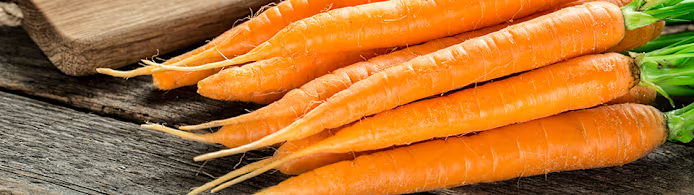
Are carrots safe for cats? Explore the benefits, risks, and the best way to offer this veggie as a treat to your feline friend.
Can cats eat carrots? Safety for cats
Yes, cats can eat carrots if they are prepared properly. They should be washed, peeled, cooked plainly (by steaming, boiling or baking) without oils or seasonings and cut into small pieces or mashed. As no part of a carrot contains chemicals or proteins that are toxic to felines, carrots are a safe treat to give your cat in small amounts. Carrots should be considered a treat that shouldn’t make up more than 10% of your kitty’s daily caloric intake, and you should always consult your veterinarian before feeding your pets new foods.
Health Benefits of Carrots for Cats
Many feline pet parents wonder, “can cats eat carrots?” And the answer is yes. Even though carrots lack protein, they have some potential health benefits for cats:
- Excellent source of vitamins K and E
- Excellent source of manganese
- Excellent source of potassium, phosphorus and magnesium
- Provides your cat with a healthy amount of dietary fiber
Carrots are loaded with vitamins, magnesium and many other nutritious things and supply them with plenty of fiber. The reason carrots are orange is because of an antioxidant called beta-carotene that converts into vitamin A—a very healthy supplement for cats.
How to Feed Carrots to Your Cat
When fed appropriately, carrots can be tasty, natural snacks for cats. Always wash the carrots thoroughly and peel them before cooking them—boiled, steamed or baked—to a soft and chewy texture. Raw carrots that are hard to chew can become a choking hazard to your feline.
As long as you don’t add any seasoning or cook them with other ingredients, small portions of bite-size, cooked carrots can be a wonderful, occasional treat for your pet.
Frequently Asked Questions
Can cats eat raw carrots? Technically yes, but it's not recommended. Raw carrots are firm and difficult for cats to chew, making them a genuine choking hazard. Always cook carrots — by steaming, boiling or baking — until they reach a soft, chewy texture before offering them to your cat. https://www.vet.cornell.edu/departments-centers-and-institutes/cornell-feline-health-center/health-information
How much carrot can a cat eat? Carrots should be treated as an occasional snack, not a dietary staple. Treats of any kind — carrots included — should make up no more than 10% of your cat's total daily caloric intake. Because cats are carnivores whose nutritional needs are met primarily through animal-based protein, even wholesome vegetables like carrots are best offered in small, bite-size portions a few times per week at most. https://www.merckvetmanual.com/management-and-nutrition/nutrition-small-animals/nutritional-requirements-of-small-animals
Are carrots toxic to cats? No. Carrots contain no chemicals or proteins known to be toxic to cats. The ASPCA does not list carrots among foods that are dangerous to felines. That said, "non-toxic" doesn't mean "unlimited" — too much of any treat can upset your cat's digestive balance or contribute to unwanted weight gain. When in doubt, check with your veterinarian. https://www.aspca.org/pet-care/animal-poison-control
Do cats actually benefit nutritionally from carrots? Cats can absorb some of the vitamins and minerals in carrots — including vitamins K and E, potassium, magnesium and dietary fiber. Carrots also contain beta-carotene, the antioxidant that gives them their orange color and that the body can convert into vitamin A. However, because cats are obligate carnivores, they are far less efficient at converting beta-carotene to vitamin A than dogs or humans are, so the nutritional payoff is modest compared with a nutritionally complete cat food. https://www.merckvetmanual.com/management-and-nutrition/nutrition-small-animals/nutritional-requirements-of-small-animals https://sites.tufts.edu/petfoodology/
Can I season carrots before giving them to my cat? No. Carrots offered to cats should always be plain — no salt, butter, oil, garlic, onion or any other seasoning. Many common flavor additions, including garlic and onion, are genuinely harmful to cats. Steam, boil or bake the carrots on their own, then let them cool completely before serving. https://www.aspca.org/pet-care/animal-poison-control
Should carrots replace my cat's regular food? Absolutely not. A nutritionally complete, AAFCO-compliant cat food should always form the foundation of your cat's diet. Carrots are a supplemental treat only. If you have questions about adjusting your cat's diet or introducing new foods, consult your veterinarian before making any changes. https://www.aafco.org/consumers/understanding-pet-food/
This article was created with assistance from AI tools and reviewed for accuracy by Petco's content team.


FAQs About Feeding Your Cat Carrots
Yes, your cat can eat carrots as long as they are cooked to a soft texture and without any added seasonings. Raw carrots or carrots cooked with added flavoring can cause digestive issues. If you’re looking for ideas on what to feed your cat, we have some of the best cat food for indoor cats best cat food for indoor cats.
No, you should not feed your pet feline raw carrots. Raw carrots can cause digestive issues, and they can also be choking hazards.
Artificially flavored juices are not healthy for your cat, and some of the potential additives and preservatives can be toxic. While naturally pressed carrot juice is very healthy for humans, it serves no health purpose to cats and should not be given to yours.
A small amount of cooked carrots won’t cause your little kitten any harm, but the best thing for your kitten is to feed them specialized kitten food until they are mature. As always, consult your veterinarian about any health and dietary questions you have about your new kitten. Also, young kittens tend to be much more sensitive to new foods and changes in diets than adult cats.
Every cat is different. What the neighbor’s cat likes may not be what your cat likes and that applies to carrots too. Some cats will take to carrots, and some won’t.
Because cats are natural carnivores, vegetables are not necessary for their regular diet. They require a host of certain nutrients that can only be found in meat, like amino-acid taurine. If your cat lacks this nutrient, it can lead to blindness and heart failure in extreme cases. Small amounts of vegetables every now and then won’t cause any harm to your kitty, but they should never be used as a primary substitute in their meals.