


Two Easy Ways to Start Earning Rewards!
Become a member today! Members-only pricing and offers, personalized care notifications, Vital Care points back on every purchase and more!
 Become a credit card member today!
Earn 2X Pals Rewards points at Petco
when you use Petco Pay!APPLY NOWLearn More About Petco Pay Benefits
Pet Toad Care: Food, Habitat, Health & Safe Handling Guide
Updated on July 18th, 2024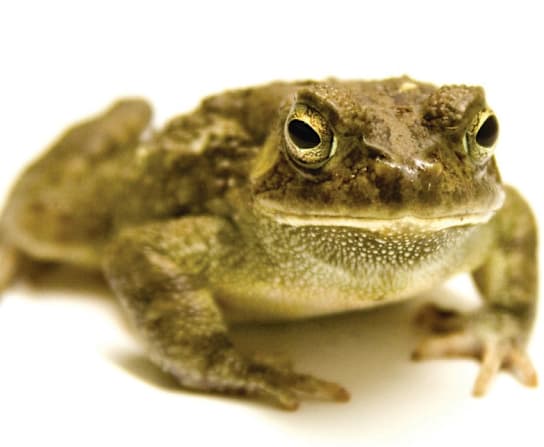
- Toads are amphibians, not reptiles. In addition to toads, amphibians include frogs, salamanders and newts
- Toads come from a variety of different geographies; they are found from Africa to Europe to all over the United States
- Their size and appearance vary by species
- They are inquisitive pets who love to explore their habitats
- Toads recognize routine; feed them at the same time and you'll find them waiting to eat
- Toads generally do not like being handled; they are pets to look at and watch rather than hold
- Like other amphibians, toads have skin glands that secrete irritating toxins to deter predators; when handling them, wear latex gloves, not only to prevent irritation from these toxins but also to prevent transfer of skin oils and bacteria from your hands to frogs’ porous, absorptive skin
Learn how to care for a toad, recommended diet and habitat setup. Find the right food, supplies and equipment at your neighborhood Petco.
This care sheet covers a variety of toad species, including:
- African bouncing toads
- Egyptian toads
- Moroccan green toads
- Southern toads
- Yellow belly toads
- Reticulated toads
- Lemon toads
- Bumblebee toads
- Malayan forest toads
Typical appearance and behavior
- Are generally nocturnal (active at night)
- Recognize routine; should be fed at the same time every day
- Many love to burrow under substrate during daytime
- Are generally prolific breeders, laying hundreds of eggs at a time; be prepared if you house males and females together
- While both reptiles and amphibians shed their skin periodically, amphibians tend to shed more often and commonly eat their shed skin to hide their presence
- Different species of toads are noted for specific behaviors:
- The African toad (also called the Egyptian toad or African bouncing toad) bounces up and down when threatened by predators to confuse or escape from them
- Bumblebee toads, named for their bright yellow and black spotted skin, do not hop like other toads but amble along the ground
- Many species of toads communicate through a range of specific calls that can sound like chirps, snores, wheezes or even bleating sheep; some species are silent
Characteristics
| Care Difficulty | Intermediate |
|---|---|
| Average Life Span | Up to 10+ years with proper care, depending on species |
| Average Adult Size | 1-6 inches, depending on species |
| Diet | Insectivore |
| Minimum Habitat Size | 10- to 20-gallon tank for two to six adult toads, depending on species |
Habitat
Habitat size
Provide appropriate size and shape habitat to accommodate normal behavior and exercise. Depending on the species, toads are generally social and do well when housed together if there is adequate space. A 10- to 20-gallon tank or terrarium can house two to six toads, depending on the species. Terrarium habitats must have a securely fitting screened top to help prevent escape while allowing adequate ventilation.
Building your habitat
For terrarium, provide a shallow bowl with filtered, chlorine-free water for toads to submerge in. They absorb water through their skin and tend to defecate in water, too, so water should be refreshed daily. Moisten substrate on one side of habitat by misting, so one side is moist (not wet) and the other is dry, allowing the toad to choose.
- Substrate - Coconut fiber, dampened sphagnum moss, leaf litter and cypress mulch are recommended; avoid gravel or small bark chips that toads may ingest and develop gastrointestinal obstruction from and artificial turf that is too rough for their delicate skin
- Décor - Add pieces of bark, logs, leaf litter, plants or commercial décor for hiding places.
- Humidity - Humidity requirements vary by species; most toads do well at a humidity of 50 to 60%. Pet parents often mistakenly maintain toad habitats at high humidity levels of 70% or higher; this high humidity can kill many toads. Monitor humidity with a humidity gauge. Decrease humidity with increased ventilation; increase humidity by misting habitat with water
- Temperature - Temperature range in the low to high 70s°F is appropriate for most species. Nighttime temperature can fall slightly lower. Heat can be provided with an under-tank heating pad and a thermostat. The pad should cover no more than half of the bottom of the tank so that there is a cool zone and a warm zone. Each zone should have a hide box. Temperature should be monitored with two thermometers. Ceramic heat emitters should not be used with toads, as they will dry them out and dehydrate them
- Lighting - Fluorescent lighting 10 to 12 hours a day is required to provide daylight. It should be turned off at night. Low-level UVB lighting is recommended even for nocturnal frogs, but provide hiding spots to hide from light, as needed
Cleaning your habitat
If using a bowl of water buried in the substrate in a semiaquatic terrarium, remove the bowl, scrub it with a reptile-safe habitat cleaner or 3% bleach solution, rinse it thoroughly, then replace the water (dechlorinated and at the appropriate temperature) daily before returning it to the habitat.
Thoroughly clean the remainder of the habitat at least once a month:
- Place toad in a secure habitat
- Scrub the tank and furnishings with a reptile-safe habitat cleaner or 3% bleach solution
- Rinse thoroughly with hot water so no residue remains. It is imperative that all traces of the habitat cleaner or bleach solution are gone
- Dry the tank and furnishings completely and add clean substrate before putting toads back in the habitat
What Do Toads Toads Eat
A well-balanced toad diet consists of:
- A variety of insects, including gut-loaded (recently fed) crickets, roaches, mealworms, earthworms, superworms, calci-worms, hornworms and waxworms
- Small toads (under 1 inch in size) should only be offered small insects such as fruit flies and pin-headed crickets
- Adults should be offered three to six insects at each feeding
Things to remember when feeding your toad:
- Toads are insectivores and are generally not fussy eaters
- Fresh, clean, filtered, chlorine-free water should be available at all times
- Feed juveniles daily, adults every other day
- Sprinkle food with calcium supplement daily and a multivitamin supplement once or twice a week
Care
- Will reach adult size in six to 18 months, depending on the species and under ideal conditions; upgrade habitat size as your amphibian grows
- Don't handle toads unless necessary. Always wear latex gloves when handling your toad; bacteria or oil on your skin can be absorbed through toads’ delicate, porous skin and harm them; plus, all amphibians have small glands in their skin that secrete irritating toxins to scare off predators. Do not allow toads’ secretions to contact your eyes, mouth or open wounds. Use an appropriately sized, small-mesh, soft net to move or block the toad while doing habitat maintenance
Where to buy a toad
Toads are available for purchase at your local Petco Pet Care Center location. Please call ahead to check availability.
Supplies
- Appropriately sized habitat
- Substrate
- Moss
- Water and mealworm dishes
- Hideaway place
- Climbing décor
- Plants
- Thermostat
- Under-tank heater
- UVB lighting and fixture
- Multivitamin supplement
- Calcium supplement
- Cricket keeper
- Cricket food
- Cricket quencher
- Crickets
- Thermometers
- Humidity gauge
- Mister
Habitat mates
- Most toad species can be housed together with their same species in small groups in an adequate-sized habitat. Check with your veterinarian before housing toads together
- Males and females housed together may breed
- Do not house different amphibian species together
Health
Signs of a healthy toad
- Active and alert
- Clear eyes, nose and mouth
- Skin free of hanging shed skin, sores, wounds or discoloration
- Clear vent
- Plump, rounded body
- Eats and passes stool regularly
- Hopping and swimming
- Hunts prey actively
Red flags (If you notice any of these signs, contact your veterinarian.)
- Weight loss or decreased appetite
- Lethargy
- Bloated abdomen or other body parts
- Skin lesions or discoloration
- Distressed breathing
- Weak movements
- Sunken eyes
- Dull reactions
- Excess hanging shed skin
- Discharge or bubbles from eyes, nose or mouth
Common health issues
| Health Issue | Symptoms or Causes | Suggested Action |
|---|---|---|
| Health IssueChemical intoxication | Symptoms or CausesCaused by exposure to soap, detergent, pesticides, oils on human skin, etc. | Suggested ActionConsult your veterinarian and protect your amphibian from exposure. |
| Health IssueIntestinal obstruction | Symptoms or CausesLethargy, decreased appetite, bloating caused by swallowing gravel or other indigestible substrate or by eating too many hard-shelled insects. | Suggested ActionConsult your veterinarian; surgery may be required. |
| Health IssueNutritional deficiencies | Symptoms or CausesWeak hind legs, lethargy, change in skin color. | Suggested ActionConsult your veterinarian and ensure a varied diet; use vitamin and mineral supplements. |
| Health IssueSkin problems | Symptoms or CausesLesions, sores and discoloration of skin caused by bacterial, fungal or parasitic infections. | Suggested ActionConsult your veterinarian. |
Notes and resources
Ask a Pet Care Center associate about Petco's selection of products available for the care and happiness of your new pet. All products carry a 100% money-back guarantee.
Because all toads are potential carriers of infectious diseases, such as salmonella bacteria, always wash your hands before and after handling your toad and/or habitat contents to help prevent the potential spread of diseases.
Pregnant women, children under the age of 5, senior citizens and people with weakened immune systems should contact their physicians before purchasing and/or caring for a toad and should consider having a pet other than a toad.
Go to the Centers for Disease Control at cdc.gov/healthypets for more information about Toads and disease.
The information on this Care Sheet is not a substitute for veterinary care. If you need additional information, please contact your veterinarian as appropriate.
Related Articles


FAQs
Toads eat insects such as mealworms, crickets, roaches, waxworms, calci-worms, hornworms, superworms and earthworms.
Baby toads eat small insects like wingless fruit flies and pinheaded crickets.
Toads need supplemental heat and generally do better with under-tank heating pads that don’t dry them out as much as radiant heat.
Toads are generally easy pets to care for if they are kept at the right temperature and humidity in addition to being fed a nutritionally balanced diet.
Toads have glands in their skin that secrete irritating toxins to ward off predators.
Frogs have webbed toes; toads do not. Frogs live in water; toads live mostly on dry land. Frogs lay eggs in clusters, while toads lay eggs in chains. Frogs move by hopping, while most toads move by crawling. Frogs have smooth, moist skin; toads have dry, bumpy skin. Frogs are usually slender-bodied, while toads tend to be stout-bodied. Frogs have long legs for jumping, while toads have short legs and don’t jump well.
Most toads in nature eat a variety of insects; some eat reptiles, small mammals and even other amphibians.