


Two Easy Ways to Start Earning Rewards!
Become a member today! Members-only pricing and offers, personalized care notifications, Vital Care points back on every purchase and more!
 Become a credit card member today!
Earn 2X Pals Rewards points at Petco
when you use Petco Pay!APPLY NOWLearn More About Petco Pay Benefits
Lory & Lorikeet Care: Nectar Diet, Habitat & Behavior for Happy Birds
Updated on September 15th, 2023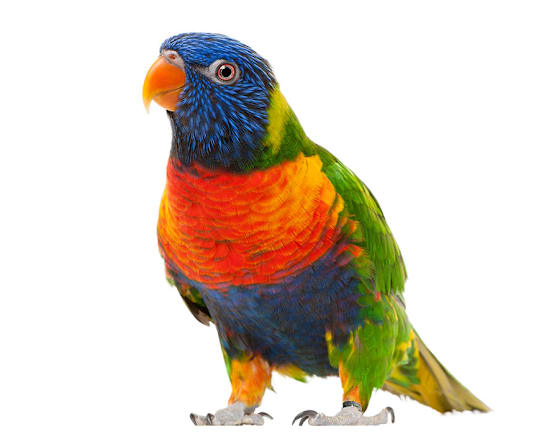
Lories and lorikeets are native to Australia, Tasmania and the South Pacific islands. There are more than 100 species of lories and lorikeets. They are sometimes called “brushed tongued parrots” because they have slender, wavy-edged beaks and tongues with brush-like tips to gather pollen and nectar from flowers. In their native habitats, they eat berries, blossoms, fruits and buds and rarely consume seeds.
Learn how to take care of Lory and Lorikeets, recommended diet and habitat. Find the right food, supplies and equipment at your neighborhood Petco.
Includes multiple species, such as:
- Yellow backed
- Yellow streak
- Red Mollucan
- Rainbow green nape
- Swainson blue lories
- Goldies lorikeet
Typical appearance and behavior
- Lories and lorikeets are multi-colored, intelligent birds that have strong personalities
- They are affectionate, playful, and constantly active
- Like other parrots, they need to be kept occupied by providing daily attention and out-of-habitat time, plus a variety of toys. Daily stimulation is important to keep them mentally stimulated. If they become bored, they may develop undesirable behaviors such as feather picking and screaming
- Toys should be safe, without strings to become entangled in or openings in which to catch beaks and toes, as lories and lorikeets often grab onto and rattle their toys intensely
- When excited or frightened, they may nip
- While they love interaction with their pet parents, they can be very territorial around other birds and may attack them; therefore, they should be housed singly and never left unsupervised with other birds
- They are mischievous birds that can be destructive if they get out of their habitats
- Rainbow lories have the odd behavior of sometime sleeping upside-down on their backs
- They have shorter digestive tracts than many other parrots to adapt to their high-moisture diets in nature. As a result, they produce more frequent, runnier stools than most other parrots
- They are noisy birds that constantly chatter and have a high-pitched, shrill squawk; they are not the best pets for noise-sensitive individuals
Characteristics
| Care Difficulty | Intermediate |
|---|---|
| Average Life Span | Up to 15 to 30 years with proper care, depending on species |
| Average Adult Size | 5-13 inches long, head to end of tail, depending on species |
| Diet | Herbivores |
| Minimum Habitat Size | Minimum size 36”L x 24”W x 36”H for one bird |
Habitat
Habitat size
Lories and lorikeets are very active, high-energy birds that need space to exercise and play. A habitat approximately 36"W x 24"D x 36"H with metal bars spaced no greater than 1/2" apart makes a good home for one lory or lorikeet. Provide the largest habitat possible. As these birds are known escape artists, habitats should be securely locking to prevent escape
Building your habitat
Lories and lorikeets acclimate well to average household temperatures between 65°F and 80°F; be cautious of extreme temperature changes. Habitats should be placed off the floor in a well-lit area away from drafts and inaccessible to other curious pets such as cats and dogs. Lories and lorikeets are very social, so habitats should be placed in an area with lots of household activity. Ensure no habitat parts or toys contain lead, zinc, other potentially toxic heavy metals, lead-based paints or galvanized parts, as these can cause serious medical issues if birds ingest them.
Perches: Perches should be 1/2" in diameter. Provide a variety of perch diameters so your lory/lorikeet can exercise their feet and help prevent pressure sores from developing on their soles. Use perches made from different materials, such as wood, braided rope and natural branches, to give your bird their choice of surfaces to stand on
- Sandpaper covers on perches are abrasive to the bottom of feet and are not recommended
- To avoid contaminating food dishes with droppings, do not place food or water containers directly under perches
Toys: Lories and lorikeets are very intelligent birds; foraging toys are important for enrichment and mental stimulation
- Toys should have a variety of colors, shapes and textures to entice birds to interact with them
- Toys must be securely attached to the habitat because birds can unscrew the C-clamps that are typically used to hang toys and become injured. Toys should not have small parts that birds can easily pull off and ingest. Without toys and attention, birds can get bored, pick their feathers, scream or develop other destructive behaviors; be sure to rotate their toys regularly to prevent boredom
Liner and litter: A metal grate over the habitat bottom will allow droppings to fall away from birds’ feet and help keep the habitat cleaner. The tray in the habitat bottom should be lined with habitat paper or other paper-based substrate to ease cleanup and minimize dust
Ultraviolet (UV) light: Birds need exposure to UV light to make vitamin D in their skin, which enables them to absorb dietary calcium. UV light is filtered out by glass in windows, so placing the habitat next to a window is not sufficient. UV lights designed specifically for birds should shine on the habitat 10 to 12 hours a day and be changed every six months when their potency wanes
Bathing: Water dishes should be large enough for birds to bathe in. Birds who don’t bathe regularly can be misted gently a few times a week with warm water from a plant mister to help them maintain healthy plumage
Cleaning your habitat
Spot-clean the habitat daily, removing discarded food and droppings from perches. Thoroughly wash and dry food bowls daily. Replace substrate or habitat liner at least once a week or more often as needed, especially if the habitat houses more than one bird. Regularly clean and disinfect your pet’s habitat and perches by:
- Moving your bird into a secure place (such as another habitat or travel carrier) in a separate air space
- Washing the habitat, perches and toys with a bird habitat cleaner or 3% bleach solution, ensuring all trace amounts of habitat cleaner or bleach are washed off so there is no residue to which your bird could be exposed
- Do not use any cleaning agents around your bird. Birds’ respiratory tracts are very sensitive to anything aerosolized, and cleaning product fumes can be harmful
- Thoroughly drying the habitat and its contents
- Replacing substrate or liner, perches and toys
- Returning your bird to their habitat
- Replace perches, dishes and toys when worn or damaged. Rotate new toys into the habitat regularly.
Feeding
A well-balanced lory and lorikeet diet consists of:
- High-quality, commercially available powdered nectar/pollen substitutes mixed with water or commercially available, low-iron pelleted diets specific for lories supplemented with finely chopped vegetables and small amounts of fruit
- Clean, fresh water, changed daily
- Do not feed birds avocado, fruit seeds, chocolate, caffeine or alcohol, as these are toxic to birds and can cause life-threatening medical problems
Things to remember when feeding your lory and lorikeet:
- Fresh food and water should always be available
- Nectar/pollen substitutes should be fed in a separate dish from pellets and from fruits/vegetables
- Nectar diets have a high sugar content and spoil rapidly once mixed with water; these foods should be mixed fresh each time they are offered and removed within a couple of hours of feeding
- Lories and lorikeets that eat spoiled nectar/pollen substitutes are prone to developing yeast infections in their gastrointestinal tracts
- Vegetables and fruits not eaten within a few hours also should be discarded
- Lories and lorikeets are very sensitive to iron in their diets and develop a life-threatening condition called iron storage disease (also called hemochromatosis) when they ingest foods with high iron content. They should not be fed citrus fruits or fruits rich in vitamin C (such as strawberries, cantaloupe and papaya) because these fruits increase iron absorption in the diet
- If feeding lories and lorikeets commercially available pelleted diets, be sure the pellets contain iron at a level less than 100 ppm (100 mg/kg of food)
- Lories and lorikeets consuming a nutritionally complete and balanced diet of nectar/pollen and pellets do not need additional vitamin and mineral supplements
- The stomach (gizzard) of lories and lorikeets is not as heavily muscled to crush up seed kernels as those of other parrots, as they don’t eat seeds often in the wild; seeds should not be a regular part of a lory or lorikeet diet
- Consult an avian veterinarian if you are unsure what to feed your lory or lorikeet
Care
- Bird pet parents should avoid using nonstick cookware and other appliances with nonstick coating. When heated, these items can release colorless, odorless fumes that can kill birds when inhaled
- Pet parents should socialize birds daily. Birds need daily time out of their habitats to exercise and get comfortable with their pet parents and families. When out of their habitats, birds must be supervised at all times so they don’t injure themselves or get into anything inappropriate
- Birds need regular grooming, including nail trimming, every few weeks to months. Nails should be trimmed by a trained person to prevent injury to the bird
- Beaks should not need regular trimming in most cases, unless they have an underlying condition (such as liver disease) that can cause abnormal beak growth. Birds’ beaks normally maintain in good condition with daily use
- Clipping the outermost five flight feathers, when done correctly, can help prevent injury or escape. Consult an avian veterinarian on what is best for your bird
Supplies
- Appropriately sized habitat
- Commercially available nectar/pollen substitute
- Commercially available, low-iron pelleted diet
- Habitat paper or other paper litter
- Food and water dishes
- Variety of perches
- Variety of toys
- Mister spray bottle
- Grooming supplies
- Play gym
- Cuttlebone
- Cuttlebone holder
Habitat mates
- Lories and lorikeets should be housed singly, as they are territorial and will attack other birds
- Different species of birds should not be housed together
Health
Signs of a healthy bird
- Active, alert and sociable
- Eats, drinks and passes droppings throughout the day
- Dry nares and bright, dry eyes
- Supple skin on legs and feet and smooth beak
- Clean, dry vent
- Smooth, well-groomed feathers
Red flags (If you notice any of these signs, contact your veterinarian)
- Fluffed, plucked or soiled feathers
- Sitting on the habitat floor for an extended period of time
- Wheezing, sneezing or coughing
- Open-mouth or labored breathing and/or tail bobbing
- Regurgitation or vomiting
- Runny, bloody or discolored stools
- Straining to pass droppings
- Favoring one foot when not sleeping
- Ocular or nasal discharge
- Red or swollen eyes
- Crusty skin around face and feet
- Persistently closed eyes or sleeping during the day
- Loss of appetite
Common health issues
| Health Issue | Symptoms or Causes | Suggested Action |
|---|---|---|
| Health IssueChlamydiosis (psittacosis or parrot fever) | Symptoms or CausesAppetite loss, fluffed feathers, nasal discharge, lime green feces, swollen abdomen, respiratory difficulty, conjunctivitis. | Suggested ActionSeek immediate veterinary attention. |
| Health IssuePsittacine beak and feather disease | Symptoms or CausesAbnormal feather color, feather loss, beak abnormalities. | Suggested ActionSeek immediate veterinary attention. |
| Health IssueVomiting/regurgitation/slow crop emptying | Symptoms or CausesMay be due to ingestion of spoiled nectar/pollen substitute or vegetables/fruits causing gastrointestinal yeast or bacterial infection. | Suggested ActionSeek immediate veterinary attention, offer only freshly mixed nectar/pollen and remove uneaten vegetables/fruit within a couple of hours of feeding. |
| Health IssueFeather picking | Symptoms or CausesBird plucks own feathers; may be due to boredom, poor diet or other underlying illness. | Suggested ActionConsult a veterinarian and relieve boredom with attention, new toys and more stimulation. |
FAQs
- What should you feed lorikeets? Lorikeets should be offered high-quality, commercially available powdered nectar/pollen substitutes mixed with water or commercially available, low-iron pelleted diets specific for lories supplemented with finely chopped vegetables and small amounts of fruit.
- How do you tell the age of a lorikeet? After lories and lorikeets have developed their full feathering, it is impossible to tell their exact age. When rainbow lories are born, their beaks are black and then turn to orange after approximately 3 months of age.
- Can lorikeets eat oranges? Citrus fruits are not recommended for lories and lorikeets since they increase absorption of dietary iron, which can be toxic to lories and lorikeets.
- Can lorikeets eat seed? Lories’ and lorikeets’ stomachs (gizzards) are not as muscular (to crush up hard seed kernels) as other those of other parrots because these birds don’t eat seeds in nature. Therefore, they should not be fed seed.
- Can lorikeets talk? Lories and lorikeets typically make chattering noises and occasional shrill shrieks but are not known for their ability to say human words.
- What vegetables can lorikeets eat? Lorikeets can eat a variety of vegetables, including carrots, sweet potatoes, broccoli, corn, squash and pumpkin, among others.
Notes & sources
Ask a Pet Care Center store employee about Petco's selection of products available for the care and happiness of your new pet. All products carry a 100% money-back guarantee.
Because all birds are potential carriers of infectious diseases, such as chlamydiosis, always wash your hands before and after handling your birds and/or habitat contents to help prevent the potential spread of diseases. Work with your avian veterinarian on protocols to treat your bird should the bird contract chlamydiosis.
Pregnant women, children under the age of 5, senior citizens and people with weakened immune systems should contact their physicians before purchasing and/or caring for a bird and should consider having a pet other than a bird.
Go to the Centers for Disease Control at cdc.gov/healthypets for more information about birds and disease.
The information on this Care Sheet is not a substitute for veterinary care. If your pet is ill or you need additional information, please contact your veterinarian as appropriate.
Related Articles


