


Two Easy Ways to Start Earning Rewards!
Become a member today! Members-only pricing and offers, personalized care notifications, Vital Care points back on every purchase and more!
 Become a credit card member today!
Earn 2X Pals Rewards points at Petco
when you use Petco Pay!APPLY NOWLearn More About Petco Pay Benefits
Feather Plucking in Birds: Causes & How to Stop It
Published on January 12th, 2023
Updated on July 16th, 2026

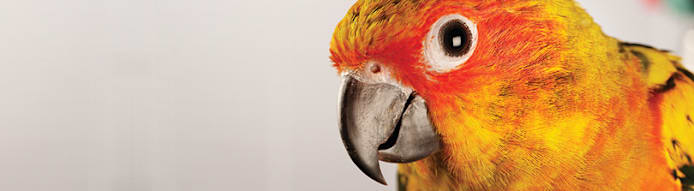
Learn more about preventing and stopping unhealthy feather plucking or feather picking as it could lead to serious health problems for your pet bird.
Feathers are often the first thing we notice about birds, but there’s far more to these creatures than beauty and grandeur. The state of their feathers can tell you a lot about the health and well-being of your bird. Although some feathers do fall out in the natural course of molting, a bird who continually pulls them out may be sending you a signal that something is wrong.
Why Is Your Bird Plucking Feathers?
Feather plucking — also called feather picking — is a self-destructive behavior unique to birds. A bird who plucks his or her own feathers without intervention can cause real physical harm, including open sores and secondary infections. While certain species — cockatiels, cockatoos, African Grey Parrots, macaws and conures — appear more prone to this behavior than others, every bird is at risk. Merck Veterinary Manual
Causes of Feather Plucking in Birds
A variety of factors can trigger feather plucking, and awareness is the key to catching them early. The four main categories are:
1. Underlying Health Conditions
A bird who isn't feeling well may begin plucking as a form of self-soothing, or because an internal condition is causing irritation or discomfort. If you notice this behavior, schedule a visit with your veterinarian right away to rule out:
- Bacterial, viral or parasitic infections
- Allergies (pollen, mold or specific foods)
- Hypothyroidism
- Anxiety disorders
2. Environmental Factors
A bird's surroundings have a direct impact on his or her wellbeing. Heat, humidity, excessive noise and stress can all contribute to feather plucking, as can too much or too little exposure to natural sunlight. Cigarette smoke, air fresheners and strong cleaning products are also known irritants that can push a sensitive bird toward this behavior. Merck Veterinary Manual
3. Lifestyle Factors
Birds are highly social, intelligent animals. When their social and physical needs go unmet, feather plucking can become an outlet. Common lifestyle triggers include:
- Boredom or lack of mental stimulation
- Insufficient exercise or activity
- Sexual frustration
- Isolation or loneliness
- Too little one-on-one time with their pet parent
4. Nutrition
Malnutrition — including deficiencies in key vitamins and minerals — can lead to feather plucking. A species-appropriate diet is essential for keeping your bird's feathers and skin in good condition.
Preening vs. Feather Plucking: Knowing the Difference
Not every bird grooming itself is cause for alarm. Here's how to tell normal behavior from a problem:
| Behavior | What It Looks Like | Is It a Concern? |
|---|---|---|
| Preening | Bird smooths, aligns and cleans feathers using his or her beak; spreads natural oils across the coat | Normal and wholesome — do not intervene |
| Feather plucking | Bird actively pulls feathers out, leaving bare patches, broken shafts or irritated skin | Yes — can damage follicles and permanently prevent regrowth |
Preening keeps feathers in good condition. Plucking destroys them. Over time, repeated plucking can damage the feather follicles to the point where healthy new feathers can no longer grow. Merck Veterinary Manual
How to Stop Your Bird From Plucking Feathers
The most important first step: contact a board-certified avian veterinarian as soon as you notice the behavior. A veterinarian can determine whether the cause is medical, behavioral or both. In some cases, a board-certified veterinary behaviorist may also be part of the care team.
While you're waiting for that appointment, avoid overreacting when you see feather plucking in progress. A dramatic response can reinforce the behavior by giving your bird attention at exactly the wrong moment — or it can transfer your stress directly to him or her, making things worse.
In the meantime, the following strategies can help reduce the behavior or prevent it from starting:
Stick to a Consistent Routine
Predictability is reassuring for birds. Keep sleep schedules, feeding times and social interaction as consistent as possible. Make sure your bird is getting adequate rest, a nutritious diet and plenty of loving attention from you every day.
Minimize Stress in the Environment
Try to see your bird's world from his or her perspective. A direct view of busy outdoor activity — people, other animals, traffic — through a window can make a bird feel exposed and frightened in his or her home. Simply relocating the habitat to a quieter spot may help. Birds are also highly perceptive to the emotional states of their human family: if you're feeling anxious, there's a good chance your bird is picking up on that, too.
Relieve Boredom With Enrichment
Birds need significant mental stimulation to stay balanced and burn energy. Rotate your bird's selection of toys regularly, and offer a variety of options — wood blocks, ladders, ropes, barbells and hanging toys sized appropriately for your bird's species. Don't underestimate the power of simple social games like peekaboo; they build trust and keep your bird engaged. Browse bird toys and enrichment options to find species-appropriate choices.
Provide a Wholesome, Species-Appropriate Diet
What your bird eats matters — and so does how he or she eats it. Feed a diet rich in the nutrients and vitamins appropriate for your bird's species, and incorporate foraging behavior into mealtimes whenever possible. Foraging encourages natural activity and mental engagement that can reduce the urge to pluck. Explore bird food options to find the right fit for your bird's needs.
Examine and Adjust the Environment
Go through your bird's living space systematically. Remove or reduce:
- Airborne irritants: cigarette smoke, aerosol sprays, scented candles, strong cleaning products
- Temperature extremes: sudden or dramatic changes in temperature or humidity
- Light imbalances: too much or too little natural sunlight
If you suspect an environmental trigger, eliminate potential irritants one at a time so you can identify the culprit. When you leave home, consider leaving music or a television on at a low volume — familiar sounds can be genuinely comforting for a bird left alone.
Do Feathers Grow Back After Plucking?
In most cases, yes — a bird who has lost feathers due to plucking will regrow them within approximately 12 months or during his or her next molt. However, if the underlying skin structure or feather follicles have been damaged by repeated plucking, regrowth may be incomplete or may not occur at all. This is one of the most important reasons to address the behavior early. Merck Veterinary Manual
When to Call Your Veterinarian
Feather plucking can sometimes be straightforward to troubleshoot — but it can also signal something more serious. Always consult a veterinarian who is knowledgeable about avian health if:
- Plucking is frequent or escalating
- You notice open sores, bleeding or bare skin
- Your bird seems lethargic, is eating less or shows other signs of illness
- The behavior doesn't improve after addressing environmental and lifestyle factors
For additional support and everything your bird needs day to day, visit your local Petco or explore our full selection of bird supplies and essentials.
Frequently Asked Questions
What is feather plucking in birds? Feather plucking (also called feather picking) is a self-destructive behavior in which a bird repeatedly pulls out his own feathers. Unlike normal preening — which keeps feathers clean and well-positioned — plucking is compulsive, causes visible bald patches and can lead to open sores, infections and permanent damage to feather follicles. Merck Veterinary Manual
What causes a bird to pluck his feathers? The causes fall into two broad categories: medical and behavioral. Medical triggers include bacterial, viral or parasitic infections, allergies, hypothyroidism and skin irritation. Behavioral triggers include boredom, lack of social interaction, sexual frustration, an inconsistent routine and environmental stressors such as cigarette smoke, loud noise or sudden temperature changes. Because causes overlap, a board-certified avian veterinarian should evaluate your bird before you assume the problem is purely behavioral.
Which bird species are most prone to feather plucking? While any bird can develop the habit, cockatiels, cockatoos, African Grey Parrots, macaws and conures appear more susceptible than other species. Genetic predisposition, high intelligence and strong social needs in these species may all contribute to the elevated risk. Merck Veterinary Manual
When should I take my bird to the vet for feather plucking? Schedule an appointment with a board-certified avian veterinarian as soon as you notice the behavior — do not wait to see whether it resolves on its own. Prompt evaluation is especially urgent if you see open sores, bleeding, swelling or a sudden change in your bird's droppings or appetite alongside the plucking, as these signs can indicate a serious underlying condition.
Will my bird's feathers grow back after plucking? In most cases, yes — feathers typically regrow within about 12 months or during the bird's next molt, provided the underlying cause has been addressed. However, if chronic plucking has damaged the feather follicles or surrounding skin tissue, regrowth may be partial or may not occur at all. Early intervention gives your bird the best chance of a full recovery. Merck Veterinary Manual
Are household products toxic to birds and could they trigger feather plucking? Yes. Birds have highly sensitive respiratory systems, and common household products — including cigarette smoke, aerosol air fresheners, scented candles, non-stick cookware fumes and harsh cleaning supplies — can cause irritation that contributes to feather plucking and other health problems. If you suspect an environmental irritant, remove it and relocate your bird's habitat to a cleaner-air area of your home. Contact the ASPCA Animal Poison Control Center (888-426-4435) immediately if you believe your bird has been exposed to a toxic substance. the ASPCA
This article was created with assistance from AI tools and reviewed for accuracy by Petco's content team.


