


Two Easy Ways to Start Earning Rewards!
Become a member today! Members-only pricing and offers, personalized care notifications, Vital Care points back on every purchase and more!
 Become a credit card member today!
Earn 2X Pals Rewards points at Petco
when you use Petco Pay!APPLY NOWLearn More About Petco Pay Benefits
Conure Care Guide: Food, Habitat, Health & Tips for a Thriving Conure
Updated on July 20th, 2023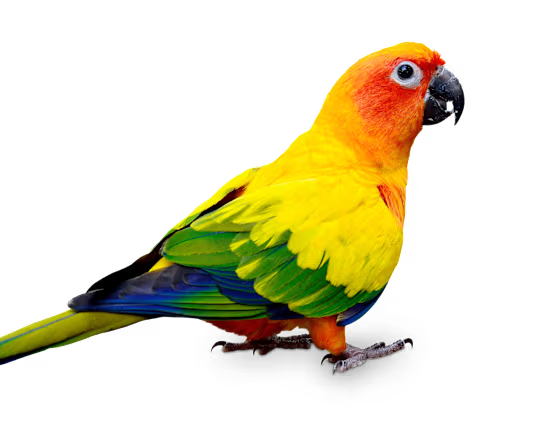
Conures are small- to medium-size parrots from South America. They are known for their long tails and strong beaks. They are highly intelligent and good-natured birds. Depending on the species, some can learn to speak a few words. Conures can be very colorful and extremely playful.
Learn how to take care of Conures, recommended diet and housing setup. Find the right food, supplies and equipment at your neighborhood Petco.
This care sheet covers a variety of conure species, including:
- Maroon-belly conures
- Dusky conures
- Peach-front conures
- Green-cheek conures
Typical appearance and behavior
- Conures are social, active, engaging birds who enjoy human interaction
- Extremely active, they need room for jumping and climbing
- They can be taught to perform tricks and dance
- Not known to be avid talkers, they can be taught to speak a few words with practice
- They can be playful and affectionate and bond closely with their caretakers
- They can sometimes be squawky and loud, so they are not the best pets for the noise-sensitive
- Maroon-belly and green-cheek conures look similar and are often confused. The maroon-belly has a heart-shaped maroon shading on their abdomen and maroon on both the top and bottom of their tail, while the green-cheek has only slightly red coloration on their belly and underside of their tail
- Peach-fronted conures are named for the bright peach patch on their forehead surrounded by a blue edge
- Male and female conures look the same; they can only be distinguished simply by blood testing
- Some species sleep on their backs on the floor of the habitat, which is normal
- Conures like to chew and require a lot of toys to chew on and destroy
- Provide foraging toys for important mental stimulation
- Ensure toys are strongly attached to the habitat, as conures can use their strong tongues to unscrew the metal C-clamps attaching toys to the habitat, which can cause injury
Characteristics
| Care Difficulty | Intermediate |
|---|---|
| Average Life Span | Up to 20+ years with proper care |
| Average Adult Size | 9-12 inches, head to end of tail, depending on species |
| Diet | Herbivores |
| Minimum Habitat Size | 24”W x 24”D x 30”H minimum for single small conure |
Habitat
Habitat size
Provide the largest habitat possible for your bird. The minimum habitat size for one green-cheek or similar-sized conure is approximately 24" W x 24" D x 30" H, with metal bars spaced no more than 3/4" apart. Commercially available habitats are generally made with stainless steel bars (either with or without nontoxic coating); homemade habitats and those made of wood or galvanized wire are not recommended because wood cannot be disinfected properly and birds can chew on their habitats and ingest potentially toxic chemicals.
Building your habitat
Conures acclimate well to average household temperatures between 65°F and 80°F; be cautious of extreme temperature changes. Habitats should be placed off the floor in well-lit areas, away from drafts and inaccessible to other curious pets such as cats and dogs. Conures are very social, so habitats should be placed in an area with lots of household activity. Ensure no habitat parts or toys contain lead, zinc, other potentially toxic heavy metals, lead-based paints or galvanized parts, as these can cause serious medical issues if birds ingest them.
- Perches: Perches should be approximately ½ inch in diameter; provide a variety of perch sizes so your conure can exercise their feet and help prevent pressure sores from developing on their soles. Use perches made from different materials, such as wood, concrete, braided rope and natural branches, to give your bird their choice of surfaces to stand on
- Sandpaper covers on perches are abrasive to the bottom of feet and are not recommended
- To avoid contaminating food dishes with droppings, do not place food or water containers directly under perches
- Toys: Conures are very intelligent birds; a variety of toys, including foraging toys, are important for enrichment and mental stimulation
- Toys should have a variety of colors, shapes and textures to entice birds to interact with them
- Ensure toys are securely attached to the habitat because birds can unscrew the C-clamps that are typically used to hang toys and injure themselves. Toys should be free of small parts that birds can easily pull off and ingest; toys made from paper, cardboard or hard plastic that your conure can’t chew up are safest
- Without toys and attention, birds can get bored, pick their feathers, scream or develop other destructive behaviors, so be sure to rotate their toys regularly to prevent boredom
- Liner and litter: A metal grate over the habitat bottom will allow droppings to fall away from birds’ feet and keep the habitat cleaner; the tray in the habitat bottom should be lined with habitat paper or other paper-based substrate to ease cleanup and minimize dust
- Ultraviolet (UV) light: Birds need exposure to UV light to make vitamin D in their skin, which enables them to absorb dietary calcium. UV light is filtered out by glass in windows, so placing the habitat next to a window is not sufficient; UV lights designed specifically for birds should shine on the habitat 10 to 12 hours a day and be changed every six months when their potency wanes
- Bathing: Water dishes should be large enough for birds to bathe in. Birds who don’t bathe regularly can be misted gently a few times a week with warm water from a plant mister to maintain healthy plumage
Cleaning your habitat
- Spot-clean the habitat daily, removing discarded food and droppings from perches
- Thoroughly wash and dry food bowls daily
- Replace substrate or habitat liner at least once a week or more often as needed, especially if the habitat houses more than one bird
- Regularly clean and disinfect your pet’s habitat and perches by:
- Moving your conure into a secure place (such as another habitat or travel carrier) in a separate air space
- Washing the habitat, perches and toys with a bird-safe habitat cleaner or 3% bleach solution, ensuring all trace amounts of habitat cleaner or bleach are washed off so there is no residue to which your bird could be exposed
- Do not use any cleaning agents around your bird; birds’ respiratory tracts are very sensitive to anything aerosolized, and cleaning products’ fumes can be harmful
- Thoroughly drying the habitat and its contents
- Replacing substrate or liner, perches and toys
- Returning your conure to their habitat
- Replace perches, dishes and toys when worn or damaged; rotate new toys into the habitat regularly
What Do Conures Eat
A well-balanced conure diet consists of:
- Nutritionally complete and balanced pelleted food specially formulated for conures, which should make up 60 to 70% of your conure’s diet, plus smaller amounts of fresh vegetables, fruits and fortified seeds as an occasional treat
- Clean, fresh water, changed daily
- Do not feed birds avocados, fruit seeds, chocolate, caffeine or alcohol, which are toxic to birds and can cause illness or death if consumed, and avoid salty, sugary and fatty treats
Things to remember when feeding your conure:
- Fresh food and water should always be available
- Vegetables and fruits not eaten within 10 to 12 hours should be discarded
- Treats should not exceed 10% of total food intake
- Provide separate food dishes for dry food, fresh food and water; if more than one conure is housed in a single habitat, provide multiple feeding stations to reduce competition
- Although birds are social and like to eat when their flock mates eat, never share food from your plate or your mouth; people have microorganisms in their mouths that can cause illness in birds
- Since conures remove the hulls from seeds before eating them, they do not need to be offered grit to grind up food
Care
Care
- Bird pet parents should avoid using nonstick cookware and other appliances with nonstick coating; when heated, these items can release colorless, odorless fumes that typically kill birds when inhaled
- Birds should be socialized daily by pet parents; they need daily time out of their habitat to exercise and get comfortable with their pet parents and families. When out of their habitat, conures must be supervised at all times so they don’t injure themselves or get into anything inappropriate
- Birds need regular grooming, including nail trimming every few weeks to months; nails should be trimmed by a trained person to prevent injury to the bird
- Most birds do not need regular beak trimming, unless they have an underlying condition (such as liver disease) that can cause abnormal beak growth; birds’ beaks normally maintain good condition with daily use
- Clipping the outermost five flight feathers, when done correctly, can help prevent injury or escape; consult a veterinarian on what is best for your bird
Where to buy
Conures are available for purchase at your local Petco Pet Care Center location. Please call ahead to check availability.
Supplies
- Appropriately sized habitat
- High-quality conure food
- Millet spray as a treat
- Millet holder
- Mineral block chews
- Treats
- Habitat paper or other paper litter
- Food and water dishes
- Variety of perches
- Variety of toys
- Nail clippers and styptic powder
- Play gym
Habitat mates
- Conures can be kept alone to bond with their pet parent, as long as regular socialization and time out of their habitat is provided, or in pairs to bond with each other
- Different types of birds should not be housed together
Health
Signs of a healthy conure
- Active, alert and sociable
- Eats, drinks and passes droppings throughout the day
- Dry nares and bright, dry eyes
- Supple skin on legs and feet and smooth beak
- Clean, dry vent
- Smooth, well-groomed feathers
Red flags (If you notice any of these signs, contact your veterinarian.)
- Fluffed, plucked or soiled feathers
- Sitting on the habitat floor for an extended period
- Wheezing, sneezing or coughing
- Open-mouth or labored breathing and/or tail bobbing
- Regurgitation or vomiting
- Runny, bloody or discolored stools
- Straining to pass droppings
- Favoring one foot when not sleeping
- Ocular or nasal discharge
- Red or swollen eyes
- Crusty skin around face and feet
- Persistently closed eyes or sleeping during the day
- Loss of appetite
Common health issues
| Health Issue | Symptoms or Causes | Suggested Action |
|---|---|---|
| Health IssueChlamydiosis (psittacosis or parrot fever) | Symptoms or CausesAppetite loss, fluffed feathers, nasal discharge, swollen abdomen, respiratory difficulty, lime green feces, conjunctivitis. | Suggested ActionSeek immediate veterinary attention. |
| Health IssueDiarrhea | Symptoms or CausesFecal portion of stool (versus solid white urine portion or clear liquid urine) not formed. Multiple causes, from change in diet to bacterial or viral infection to internal parasites. | Suggested ActionConsult your veterinarian and ensure a proper diet. |
| Health IssueBacterial infections | Symptoms or CausesCloudy eyes, open sores and/or reddening of the skin. | Suggested ActionImprove water quality; use a commercial antibacterial remedy as directed, consult your local aquatic specialist or aquatic veterinarian for treatment. |
| Health IssueFeather plucking | Symptoms or CausesBird plucks own feathers; may be due to boredom, stress, poor diet or other underlying illness. | Suggested ActionConsult your veterinarian and relieve boredom with attention, new toys or more stimulation. |
| Health IssuePolyoma virus | Symptoms or CausesAnorexia, lethargy, bruised skin, weight loss, sudden death. | Suggested ActionSeek immediate veterinary attention. |
Notes and resources
Ask a Pet Care Center associate about Petco's selection of products available for the care and happiness of your new pet. All products carry a 100% money-back guarantee.
Because all birds are potential carriers of infectious diseases, such as chlamydiosis (psittacosis or parrot fever), always wash your hands before and after handling your bird or habitat contents to help prevent the potential spread of disease.
Pregnant women, children under the age of 5, senior citizens and people with weakened immune systems should contact their physicians before purchasing or caring for birds and should consider having a pet other than a bird.
Go to cdc.gov/healthypets for more information about birds and disease.
This care sheet can cover the care needs of other species.
The information on this Care Sheet is not a substitute for veterinary care. If you need additional information, please contact your veterinarian as appropriate.
Related Articles


FAQs
Perhaps the rarest conure is the golden conure (or Queen of Bavaria conure). They are endangered in nature and found only in Brazil.
When interacted with daily, handled and given out-of-habitat time every day, any conure can be trained to be friendly.
The larger habitat you can provide, the better. Minimum size for a small conure is 24”W x 24”D x 30”H.
If a conure approaches you, vocalizes, seems excited and wants to interact with you, these are all signs that they are trying to befriend you.
If a bird approaches you, vocalizes with you, and tries to interact with you, these behaviors can indicate that a bird wants your attention and wants to interact with you.
A good variety of toys to chew on and daily interaction/out-of-habitat time will help keep your conure entertained.
Do not yell at your conure if they bite you, as that inadvertently reinforces/gives attention to this behavior. Instead, try not to react to the bite if possible but instead put the bird down and walk away. This is like a “time-out” to teach the bird that biting doesn’t get them attention. You can also pay attention to your bird’s body language, which may tell you if they are about to bite so you can redirect their attention. Pinning eyes, flared tail feathers and lunging are a few signs that your conure may be experiencing emotions that could result in a bite.