


Two Easy Ways to Start Earning Rewards!
Become a member today! Members-only pricing and offers, personalized care notifications, Vital Care points back on every purchase and more!
 Become a credit card member today!
Earn 2X Pals Rewards points at Petco
when you use Petco Pay!APPLY NOWLearn More About Petco Pay Benefits
Cool Facts About Chickens + What They Can Eat
Published on July 18th, 2024
Updated on June 18th, 2026

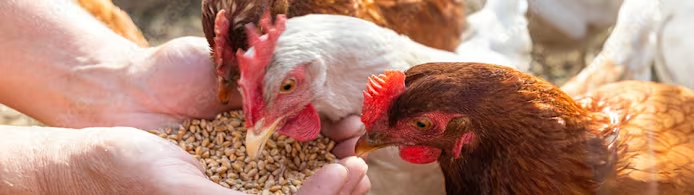
Do you have questions about what to feed your chicken(s)? Petco has the answers! Visit us to learn about chicken dietary needs.
Cool Facts About Chickens — And What to Feed Them
Chickens are far more fascinating than most pet parents give them credit for. These intelligent, social birds have a remarkable memory, can recognize more than 100 individual faces (including human ones), and communicate with at least 30 distinct vocalizations. They dream during REM sleep, experience empathy, and — here's a fun one — a mother hen begins talking to her chicks before they even hatch. One of the coolest facts about chickens? They're omnivores, meaning their natural diet spans everything from seeds and greens to insects and the occasional small piece of cooked meat.
That built-in dietary flexibility is great news for pet parents, because it means chickens can enjoy a wide variety of wholesome treats alongside a nutritionally complete commercial chicken food. The key is balance.
The 90/10 Rule: Your Starting Point for Every Feeding Decision
Before diving into the full list of what chickens can and can't eat, anchor every feeding decision to one simple guideline: 90 percent of your chicken's daily nutrition should come from a complete, life-stage-appropriate commercial chicken food, and no more than 10 percent from treats. This mirrors the treat guidance used across companion animal nutrition https://www.aafco.org/consumers/understanding-pet-food/.
Before letting your flock out of their coop to roam their fenced-in enclosure each morning, offer their measured daily portion of complete chicken food first. Treats come after — not instead.
What Should I Feed My Chickens?
Because chickens evolved as foragers, their daily diet in the wild is naturally diverse. Don't be afraid to rotate treats and try new foods. Some chickens are pickier eaters than others, so watch how your birds react whenever you introduce something new. Pet parents can encourage natural foraging behavior by offering greens, vegetables and the occasional fruit snack — all within that 10 percent treat budget.
Safe Treats to Feed Your Chickens (in Moderation)
| Treat Category | What's Included | Notes |
|---|---|---|
| Bread | Plain bread | OK in moderation only; never feed moldy bread |
| Corn | Cooked, dried, frozen or raw | All forms are acceptable |
| Fruit | Apples, berries, watermelon and most other fruits | Remove seeds where possible |
| Grains | Oats, rice and similar whole grains | Plain, unsalted preparations only |
| Herbs | Basil, cilantro, lavender, mint, oregano, parsley, thyme | Fresh or dried |
| Meat | Plain cooked poultry or other lean meats | Cooked thoroughly, cut into bite-size pieces; avoid salty cured meats |
| Oatmeal | Plain cooked or dry rolled oats | No added sugar or flavoring |
| Perennials | Coneflowers, daisies, daylilies, ferns, hostas, roses | Pesticide-free only |
| Vegetables | Broccoli, carrots, cabbage, chard, cucumbers, kale, lettuce, peas, spinach, sweet potatoes, tomatoes, turnip greens | Most cooked and raw vegetables are generally considered safe |
What Can Chickens NOT Eat?
While chickens will investigate almost anything edible, several common foods are genuinely dangerous. Keep the following off the menu entirely https://www.aspca.org/pet-care/animal-poison-control:
- Avocado skins and pits — Contain persin, a toxin that can be fatal to chickens
- Chocolate — Both theobromine and caffeine are toxic to birds
- Coffee beans or grounds — Caffeine is harmful; avoid entirely
- Garlic and onions — Won't harm your chickens directly, but can give eggs an unpleasant taste or smell
- Greasy foods — A chicken's digestive system is not equipped to handle high-fat, greasy foods properly
- Processed foods — High sodium, artificial additives and low nutritional value make these a poor choice for any pet
- Raw potato skins — Contain solanine, an alkaloid that is toxic to chickens. Note: sweet potatoes and their skins are safe and make a nutritious treat
- Salt — While a trace amount on a rare occasion is unlikely to cause a severe reaction, salty foods should be consistently avoided
If you ever suspect your chicken has eaten something toxic, contact your veterinarian promptly.
Can Chickens Eat Chicken?
This is one of the most common questions pet parents ask — and it's a fair one. The short answer: because chickens are omnivores, eating small bite-size pieces of plain, thoroughly cooked chicken is not considered harmful to them. That said, mealworms are a more nutritionally appropriate protein source and are far closer to what chickens seek out naturally when foraging. If you want to offer a protein-rich treat, mealworms are the better first choice.
The Best Treats for Chickens (and Why They Work)
Here's a closer look at the treat options that tend to delight chickens most — and what makes each one worth offering:
Frozen fruits and vegetables Chickens love a cool treat on a warm day. Freeze bite-size pieces of safe fruits and veggies, or blend them with a small amount of plain yogurt and freeze in an ice cube tray for an extra-special warm-weather snack. It's enrichment and hydration in one.
Cooked meat scraps While insects are a more biologically appropriate protein source, small quantities of thoroughly cooked, unseasoned meat can be offered on occasion. Always cut into small, manageable pieces and skip anything cured, smoked or salted.
Plain yogurt Plain yogurt without added sugar can be a wholesome occasional treat. Introducing beneficial bacteria to the gastrointestinal tract may help support digestion. Stick with plain, unsweetened varieties only.
Insects — especially mealworms Bugs and insects are the primary protein source for free-ranging chickens, and they are almost universally a chicken's preferred snack. If your flock free-ranges, they're already hunting down insects on their own — digging up grubs, chasing crickets, catching moths mid-air. You can supplement with live or dried mealworms as a high-value treat. Your neighborhood Petco Pet Care Center carries both live and dried mealworms and crickets, so you can keep a steady supply on hand.
A Quick Note on Foraging and Enrichment
One of the coolest things about chickens is how much joy they get from the hunt itself. Scattering treats in the grass, hiding mealworms in a pile of leaves, or hanging a bundle of fresh herbs in their enclosure turns mealtime into mental stimulation. A foraging chicken is a content chicken — and a content chicken is a healthier one.
If you're just getting started with backyard hens, explore our Keeping Chickens 101 guide for coop setup, flock basics and everything in between. You can also shop Petco for chicken coops, feeders and all the accessories your flock needs to thrive.
Frequently Asked Questions
Are chickens omnivores or carnivores? Chickens are omnivores — in the wild, they naturally forage for a wide mix of seeds, greens, insects and the occasional small creature. That balanced appetite is exactly why a varied diet of complete chicken food plus wholesome treats works so well for them.
Can chickens really eat meat — including cooked chicken? Yes. Because chickens are omnivores, small bite-size pieces of plain, thoroughly cooked chicken are not harmful to them. That said, mealworms are a more nutritionally appropriate protein treat and are typically the preferred option for backyard flocks. Always avoid raw meat, salty cured meats and processed foods.
How much of a chicken's diet should be treats? Follow the 90/10 rule: 90 percent of your chicken's daily nutrition should come from a nutritionally complete commercial chicken food formulated for its species and life stage, with treats making up no more than 10 percent. Overfeeding treats — even wholesome ones — can crowd out essential nutrients. https://www.aafco.org/consumers/understanding-pet-food/
What foods are toxic and should never be fed to chickens? Several common foods are genuinely dangerous. Avocado skins and pits contain persin, a toxin that can be fatal to birds. Chocolate and coffee contain theobromine and caffeine, both toxic to birds. Raw potato skins contain solanine, an alkaloid that is toxic to chickens. When in doubt about a new food, consult your veterinarian before offering it to your flock. https://www.aspca.org/pet-care/animal-poison-control
Do garlic and onions hurt chickens? Garlic and onions are not considered acutely toxic to chickens the way avocado or chocolate are, but they can give eggs an unpleasant taste or odor. It is best to leave them out of your flock's treat rotation entirely.
What is the single best treat for backyard chickens? Insects — especially mealworms — are the standout choice. Bugs are a primary protein source for chickens in the wild, and mealworms (live or dried) closely mirror that natural foraging experience. Frozen fruits and vegetables are a close runner-up, particularly on hot days when a cool snack can help keep your flock comfortable. Your neighborhood Petco Pet Care Center carries both live and dried mealworms, grubs and crickets to make treat time easy.
This article was created with assistance from AI tools and reviewed for accuracy by Petco's content team.


