Two Easy Ways to Start Earning Rewards!
Earn 2X Pals Rewards points at Petco
when you use Petco Pay!
Get It Today
Learn how to care for freshwater community fish, recommended diet & aquarium setup. Find the right food, supplies & equipment at your neighborhood Petco.
Updated on November 13th, 2025
Learn how to pick the right aquarium plants, substrate, lighting, and fertilizers to ensure that your aquarium plants thrive and stay healthy.
Updated on November 13th, 2025
Although you may not realize it, aquaculture is something that touches our lives on a regular basis. Read more about what exactly aquaculture is, why it is important.
Updated on November 13th, 2025
Learn how to care for semi-aggressive fish, recommended diet & aquarium setup. Find the right food, supplies & equipment at your neighborhood Petco.
Updated on November 13th, 2025
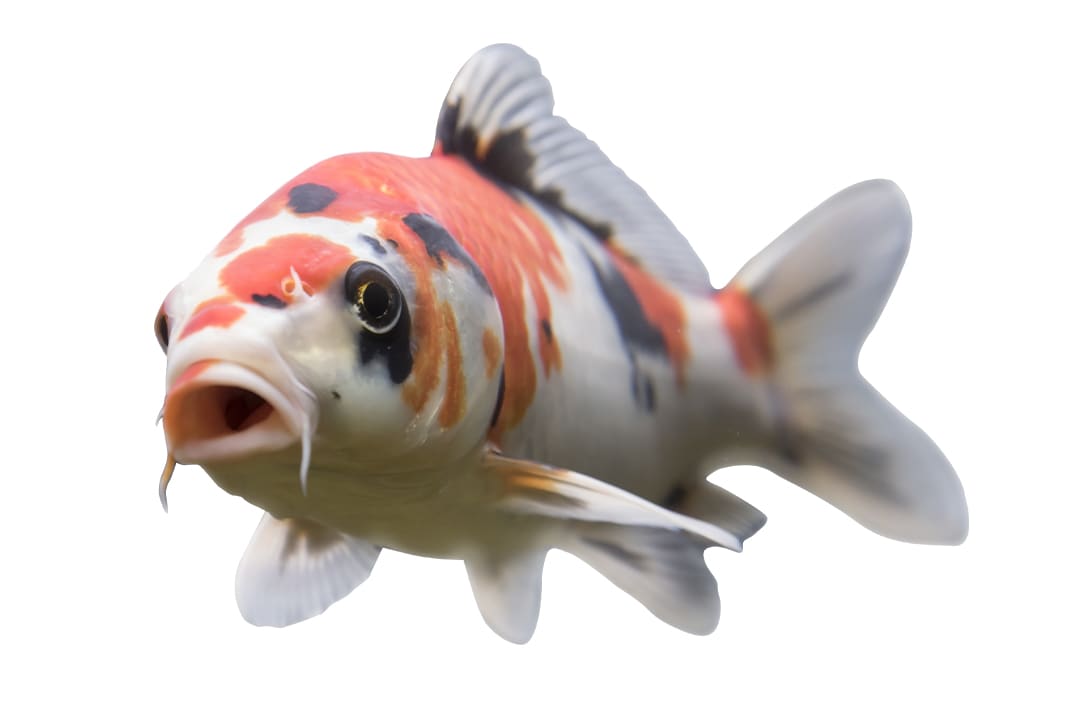
Learn how to care for a Koi, recommended diet and aquarium setup. Find Koi for sale, supplies and equipment at your neighborhood Petco.
Updated on November 13th, 2025
Check the water chemistry. Confirm ammonia and nitrite levels are 0.25ppm or less and nitrates are 40ppm or less. Use a liquid test kit or submit a sample for testing. Most pet stores or aquarists will do this for free or for a small fee. Partial water changes, about 30% can be done to decrease high levels. Use only aged or conditioned water that is temperature matched to prevent further stress or shock. My preferences for water conditioning are AmQuel Plus and NovAqua in addition to StressCoat. Confirm water temperature between 78F and 80F. You can soak pellets in some garlic juice to stimulate his appetite.
Updated on August 12th, 2025
Check water chemistry first. Use a home test kit or submit a water sample for testing. The local Petco may do this for free or for a small fee. Aim for an absence ( 0 ppm) of ammonia and nitrites with nitrates at 20 ppm or less. Perform partial water changes, no more than 30% at a time, to stabilize chemistry and/or to improve water quality. Use only conditioned water that is temperature matched to prevent stress or shock. Check water temp as well. Any of these can drive a fish to the surface. The "flashing" (darting about) can be due to infection (bacterial, fungal or parasites). Consider a broad spectrum antibiotic or an "all in one" product to treat multiple infections. Look in the Aquarium section of the local Petco for options. Follow label directions carefully and remove the carbon filter insert during treatment if indicated.
Updated on August 12th, 2025
The most common cause of death of a newly acquired fish is usually shock or incorrect water quality. Fish tanks should be set up and left running without fish for at least 3-4 weeks to establish a proper nitrogen cycle. There are products that can shorten this time period. If this is not done, there may be high levels of ammonia, chloramine, nitrates and nitrites which can kill a fish. When introducing a fish, the bag should be floated in the tank for about 30 minutes to acclimate the fish to water temperature. This can prevent shock if the water is too hot or too cold. Test your water quality with a home test kit or submit a sample for testing. Most pet stores or aquarists will do this for free or for a nominal fee. Correct any imbalances as indicated. Slowly acclimate any new fish as written above. You can request a consultation to discuss your concerns in greater detail if necessary. Buying fish and starting a tank can be quite confusing initially.
Updated on August 12th, 2025
The quick start liquid will add nitrifying bacteria but will not eliminate ammonia or nitrites. Both are harmful and can kill fish in high enough concentrations. You can use a home test kit to test the water or you can submit a sample for testing. Most pet stores or aquarists will do this for free or for a nominal fee. There are chemical additives you can use to decrease levels. When adding water, use treated water or aged water. Ideally, the tank should be left empty for about 4 weeks to properly establish the nitrogen cycle before adding fish. At this point, you may lose the second fish regardless of treatment. Test the water, make adjustments, let the tank cycle and start fresh. Adding an airstone can increase oxygen levels.
Updated on August 12th, 2025
Monitor water chemistry using a home test kit or submit a water sample for testing. The local Petco may do this for free or for a small fee. Aim for an absence (0 ppm) of ammonia and nitrites with nitrates at 20ppm or less. Perform partial water changes to stabilize chemistry and/or to improve water quality. Use only conditioned water that is temperature matched to prevent stress or shock. Pristine water quality is the foundation for healing and recovery from infection or injury in fish. You can use plain aquarium salt (NOT table or Epsom salt) as a general tonic to reduce stress, improve gill function and aid in recovery. Dissolve 1 teaspoon of salt per gallon of water in a cup or two of water and gently pour it into the tank. Treat for 14 days then reassess the condition. An "all in one" product, such as Lifeguard (by Tetra), can be used concurrently to treat infection or parasites. Find one in the aquarium section of the local Petco. Follow label directions carefully and remove
Updated on August 12th, 2025