


Two Easy Ways to Start Earning Rewards!
Become a member today! Members-only pricing and offers, personalized care notifications, Vital Care points back on every purchase and more!
 Become a credit card member today!
Earn 2X Pals Rewards points at Petco
when you use Petco Pay!APPLY NOWLearn More About Petco Pay Benefits
What Do Hamsters Eat? A Complete Feeding Guide
Published on July 18th, 2024
Updated on June 18th, 2026

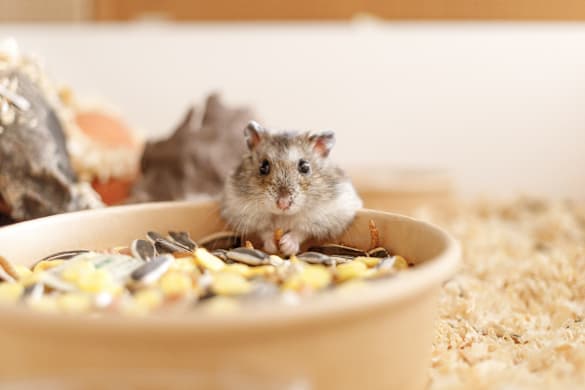
In addition to a balanced diet of high-quality pellets, it's fun to give your hamster a treat every now and then. Take a look at what treats are safe for your pet, and which are not.
Because hamsters are omnivores, meaning they eat both animal- and plant-based foods, they are able to enjoy a variety of foods in their diet. That being said, their main diet should be a high-quality commercial pellet containing all the vitamins, minerals, and other nutrients they require to meet their nutritional needs. In addition to their daily pelleted food, hamsters love an occasional treat-and it's always fun to watch your pet enjoy a variety of tasty snacks. Just remember that treats should never make up more than 10% of your pet's overall diet and all diet changes should be made gradually. Rapid changes to a hamster's diet may cause stress, resulting in them eating and developing diarrhea-commonly called wet tail.
What Do Hamsters Eat?
Your hamster's nutrition should start with a high-quality, commercially available pellet food or seed mix as the daily foundation. Look for formulas that list wholesome ingredients like oats, seeds, nuts, corn and legumes. Many quality mixes also include Timothy hay or other grass hays, which support healthy digestion and help wear down your hamster's continuously growing teeth https://www.merckvetmanual.com/management-and-nutrition/nutrition-small-animals/nutritional-requirements-of-small-animals. Beyond that core diet, a rotating selection of fresh vegetables and occasional fruit treats rounds out a balanced hamster menu.
Safe Vegetables for Hamsters
Most hamsters eagerly accept leafy greens and other vegetables as treats alongside their regular pellet or seed diet. Offer these in small, washed, bite-sized pieces a few times per week — treats of any kind should make up no more than 10% of your hamster's total diet.
Leafy greens and herbs (best choices):
- Romaine lettuce
- Spinach
- Dandelion greens
- Broccoli spears
Other vegetables hamsters can enjoy:
- Carrot tops
- Cauliflower
- Sweet potato (plain, no seasoning)
- Squash
- Yellow peas
- Artichokes
One to avoid: Iceberg lettuce has very little nutritional value for hamsters and can cause loose stools — skip it in favor of darker, more nutrient-dense greens https://www.merckvetmanual.com/management-and-nutrition/nutrition-small-animals/nutritional-requirements-of-small-animals.
Always wash all produce thoroughly before serving, and remove any uneaten fresh food from your hamster's habitat within 24 hours to prevent bacterial growth https://www.aspca.org/pet-care/animal-poison-control.
Safe Fruits for Hamsters
Fruit makes a sweet occasional treat, but its natural sugar content means it should be offered sparingly — a small piece once or twice a week is plenty. Good options for both Syrian and dwarf hamsters include:
- Apple (seeds removed — apple seeds contain compounds toxic to small pets) https://www.aspca.org/pet-care/animal-poison-control
- Banana
- Strawberry
- Pear (seeds removed)
Cut fruit into small, manageable pieces and remove any uneaten portions within 24 hours.
What Do Dwarf Hamsters Eat?
Dwarf hamsters — including Chinese, Djungarian, Russian and Roborovski hamsters — follow essentially the same dietary blueprint as the golden (Syrian) hamster. The key differences are portion size and piece size, not food variety.
Core diet: A commercially available pellet or lab block formula designed for hamsters provides the balanced nutrition dwarf hamsters need to support their characteristically high energy levels https://www.merckvetmanual.com/management-and-nutrition/nutrition-small-animals/nutritional-requirements-of-small-animals. Seed mixes can supplement pellets but shouldn't replace them, since dwarf hamsters — like Syrians — tend to sort out their favorite high-fat seeds and leave the rest.
Vegetables: Dwarf hamsters enjoy the same leafy greens, cauliflower, squash, carrot tops and sweet potato that larger hamsters do. Cut every piece smaller than you would for a Syrian hamster to reduce any choking risk, and wash all produce thoroughly before serving.
Fruit: Apples, bananas, strawberries and pears are fine occasional treats for dwarf hamsters as well. Because dwarf hamsters are more prone to diabetes-related complications than Syrians, keep fruit portions especially small and infrequent — a piece roughly the size of a raisin is a reasonable guide. Remove any uneaten fruit within 24 hours.
Hamster Food Quick-Reference Guide
| Food category | Good options | Notes |
|---|---|---|
| Pellets / lab blocks | Commercial hamster pellets or lab blocks | Daily staple; choose formulas with oats, seeds, nuts, legumes |
| Grass hay | Timothy hay, orchard grass | Supports digestion; helps wear down teeth |
| Leafy greens | Romaine, spinach, dandelion greens, broccoli | Offer washed, 2–3×/week; ≤10% of diet |
| Other vegetables | Carrot tops, cauliflower, sweet potato, squash, yellow peas, artichokes | Small pieces; remove uneaten portions within 24 hrs |
| Fruit (occasional) | Apple (no seeds), banana, strawberry, pear (no seeds) | Once or twice a week; extra-small portions for dwarf hamsters |
| Avoid | Iceberg lettuce, apple/pear seeds, sugary or processed human foods | Little to no nutritional value or actively harmful |
If you're ever unsure whether a specific food is safe for your hamster, consult your veterinarian before offering it. When in doubt, leave it out — hamsters are small, and even a modest amount of the wrong food can have an outsized effect on their health.
When your hamster deserves a little treat, consider some of the following:
Foods not to feed your hamster
Just as important as knowing what is safe to feed your pet is also knowing what not to feed your hamster. The following foods should never be offered to hamsters, as they are toxic and can cause serious medical problems:
- Chocolate
- Caffeine
- Alcohol
- Excess sugar or fat
- Onions and garlic
- Apple seeds (contain toxic cyanide)
- Rhubarb
- Peanuts in the shell (can contain trace amounts of toxic mold)
It's important to remember that this is not an exhaustive list. So while we all want to show our pets some extra love, we need to do so in a safe and healthy way. If you have more questions on the best foods to feed your hamster, stop into your local Petco to ask a knowledgeable team member for more tips.
Safe Treats for Hamsters: Quick-Reference Guide
Use this table to quickly identify which foods make wholesome occasional treats for your hamster — and how often to offer them. Remember: all treats combined should never exceed 10% of your hamster's total daily diet. https://www.merckvetmanual.com/management-and-nutrition/nutrition-small-animals/nutritional-requirements-of-small-animals
| Category | Safe Options | Serving Size | Frequency | Notes |
|---|---|---|---|---|
| Leafy Greens | Romaine lettuce, spinach, dandelion greens | Thumbnail-sized piece | 2–3 times per week | Wash thoroughly; avoid iceberg lettuce (low nutritional value) |
| Other Vegetables | Broccoli, cauliflower, sweet potato, squash, carrot tops, yellow peas, artichoke | Pea-sized piece | 2–3 times per week | Cut into small pieces to prevent choking; wash well before serving |
| Fruits | Apple (no seeds), banana, strawberry, pear | Blueberry-sized piece | Once or twice per week | Remove uneaten fruit within 24 hours to prevent bacterial growth; never offer apple seeds https://www.aspca.org/pet-care/animal-poison-control |
| Grains & Legumes | Oats, plain cooked brown rice, plain whole-grain bread | 1–2 small pieces | Occasionally | Unseasoned only; no added salt, sugar or butter |
| Protein | Plain cooked chicken, plain cooked egg, mealworms | Pea-sized piece | Once per week | Fully cooked; no seasoning, sauces or raw meat https://www.merckvetmanual.com/management-and-nutrition/nutrition-small-animals/nutritional-requirements-of-small-animals |
| Seeds & Nuts | Sunflower seeds, plain pumpkin seeds, unsalted peanuts (shelled) | 1–2 seeds or a small pinch | Occasionally | High in fat — limit carefully; never offer peanuts in the shell (risk of toxic mold) |
| Hay | Timothy hay, orchard grass | Small handful | Daily, freely available | Supports healthy digestion; can be offered alongside pellets https://www.merckvetmanual.com/management-and-nutrition/nutrition-small-animals/nutritional-requirements-of-small-animals |
Dwarf hamster note: Chinese, Djungarian, Russian and Roborovski hamsters enjoy the same variety of foods listed above — simply cut everything into smaller pieces to match their smaller size and reduce portion sizes accordingly.
Frequently Asked Questions
What should make up the majority of a hamster's diet? A high-quality commercial pellet or lab block food formulated specifically for hamsters should form the foundation of your hamster's daily nutrition, providing the balanced vitamins, minerals and protein he needs. Treats, fresh vegetables and fruit are supplements — not substitutes — for a complete diet. https://www.merckvetmanual.com/management-and-nutrition/nutrition-small-animals/nutritional-requirements-of-small-animals
How much fruit can I give my hamster? Offer fruit no more than once or twice per week in a piece roughly the size of a blueberry. Fruit is naturally high in sugar, and too much can contribute to digestive upset or weight gain. Always remove any uneaten fruit from your hamster's habitat within 24 hours to prevent bacterial growth. https://www.aspca.org/pet-care/animal-poison-control
Are there foods that are toxic to hamsters? Yes. Chocolate, caffeine, alcohol, onions, garlic, rhubarb, apple seeds (which contain cyanide) and peanuts in the shell (which can harbor trace amounts of toxic mold) should never be offered to hamsters. This is not an exhaustive list — when in doubt, consult your veterinarian before introducing any new food. https://www.aspca.org/pet-care/animal-poison-control
Can dwarf hamsters eat the same foods as Syrian hamsters? Generally, yes. Dwarf hamsters — including Chinese, Djungarian, Russian and Roborovski varieties — thrive on the same commercially available pellet food and can enjoy the same safe fruits and vegetables as Syrian (golden) hamsters. Simply reduce portion sizes and cut pieces smaller to suit their tiny mouths and bodies. https://www.merckvetmanual.com/management-and-nutrition/nutrition-small-animals/nutritional-requirements-of-small-animals
How do I introduce new foods to my hamster safely? Introduce any new food gradually and one item at a time. Rapid dietary changes can cause digestive stress and may lead to diarrhea — a condition sometimes associated with wet tail in hamsters. If you notice loose stools, lethargy or a loss of appetite after introducing a new food, discontinue it and contact your veterinarian.
How do I know if a pet food or treat meets quality standards? Look for products that list a complete and balanced nutritional statement on the label, indicating the food meets established nutrient profiles. When evaluating any commercial hamster food or treat, checking the label for clear ingredient information is a good starting point. https://www.aafco.org/consumers/understanding-pet-food/
Frequently Asked Questions
How much should I feed my hamster each day? Most adult hamsters do well with roughly 1–2 teaspoons of high-quality commercial pellet food per day, offered in the evening when hamsters are naturally most active. Because hamsters are omnivores, a nutritionally complete pelleted diet should form the foundation of every meal, with treats kept to 10% or less of total daily intake. Portion needs vary by size — dwarf hamsters require noticeably smaller amounts than Syrian (golden) hamsters — so monitor your hamster's weight and adjust accordingly. Consult your veterinarian if you notice rapid weight gain or loss. https://www.merckvetmanual.com/management-and-nutrition/nutrition-small-animals/nutritional-requirements-of-small-animals
Can hamsters eat fruit? Yes, in small amounts. Apples (seeds removed), bananas, strawberries, and pears are safe occasional treats for both Syrian and dwarf hamsters. Fruit is naturally high in sugar, so limit servings to a piece no larger than your hamster's ear, offered no more than two or three times per week. Always remove uneaten fruit from the habitat within 24 hours to prevent bacterial growth. Apple seeds must always be removed — they contain cyanide compounds and are toxic to hamsters. https://www.aspca.org/pet-care/animal-poison-control
Can hamsters eat vegetables every day? Leafy greens and other vegetables can be offered several times a week as a supplement to a complete pelleted diet, but variety and moderation matter. Safe choices include romaine lettuce, spinach, broccoli spears, dandelion greens, carrot tops, cauliflower, sweet potato, and squash. Avoid iceberg lettuce — it offers very little nutritional value. Wash all vegetables thoroughly, cut them into appropriately small pieces (especially for dwarf hamsters), and introduce any new vegetable gradually to avoid digestive upset or diarrhea. https://www.merckvetmanual.com/management-and-nutrition/nutrition-small-animals/nutritional-requirements-of-small-animals
What foods are toxic or dangerous to hamsters? Several common foods are harmful and should never be offered to hamsters. These include chocolate, caffeine, alcohol, onions, garlic, rhubarb, apple seeds, and peanuts still in the shell (which can harbor trace amounts of toxic mold). Foods very high in sugar or fat should also be avoided, as they can contribute to obesity and other health problems. This list is not exhaustive — when in doubt about a specific food, skip it and check with your veterinarian before offering it. https://www.aspca.org/pet-care/animal-poison-control
How do I know if a commercial hamster food is nutritionally complete? Look for a product that lists a named grain, seed, or protein source as the first ingredient and carries a nutritional adequacy statement on the label — this indicates the food has been formulated to meet established nutrient profiles. A quality pellet or lab block will contain a balanced mix of protein, fiber, fat, vitamins, and minerals without relying heavily on added sugars or artificial colors. Reading the ingredient list and guaranteed analysis panel is a reliable starting point. https://www.aafco.org/consumers/understanding-pet-food/ https://www.fda.gov/animal-veterinary/animal-foods-feeds/pet-food
Do dwarf hamsters need a different diet than Syrian hamsters? Not fundamentally — dwarf hamsters (including Chinese, Djungarian, Russian, and Roborovski hamsters) thrive on the same nutritionally complete pellet or lab block diet as Syrian hamsters, just in smaller daily quantities. The same safe fruits and vegetables apply, though pieces should be cut smaller to reduce any choking risk. Because some dwarf hamster breeds can be prone to diabetes, it is especially important to limit sugary fruits and treats for these small pets and to discuss any dietary concerns with your veterinarian. https://www.merckvetmanual.com/management-and-nutrition/nutrition-small-animals/nutritional-requirements-of-small-animals
This article was created with assistance from AI tools and reviewed for accuracy by Petco's content team.


Grains make up a large part of a hamster’s diet. They offer protein and carbohydrates and can come from prepared hamster mixtures or from fresh foods such as unsweetened whole grain cereal, whole wheat bread, brown rice, whole wheat pasta and unsalted, unbuttered popcorn. If offering a prepared hamster mix as a treat, be sure that it doesn’t include a large amount of high-fat nuts and seeds, as these foods promote obesity.
Fresh, organically grown greens are best. Romaine lettuce, dandelion greens, cauliflower, carrot tops, broccoli spears, spinach, sweet potato, squash, artichokes and any other dark green veggies are great choices. Avoid iceberg lettuce and other veggies or fruits—such as watermelon—that are high in water content and have little nutritional value. Remember to wash the vegetables thoroughly to remove traces of harmful pesticides and feed only small amounts of produce at a time.
Hamsters love apples, pears, strawberries, blueberries, grapes and bananas. Fruit should be offered in moderation, as a supplement to their regular pelleted diet. Remove any vegetables or fruits that are not eaten within 10-12 hours so they don’t spoil.
Hay is a great gnawing food that can help keep your hamster's continuously growing teeth at a healthy length and in good condition.
As omnivores, hamsters can have some animal-based protein in their diets, such as hard-boiled eggs, cooked chicken and an occasional live mealworm or cricket. Hamsters love these high-protein treats—be sure to offer them in moderation so that they continue to eat their base diet of pellets.
Water should be available to your hamster at all times and changed daily.