


Two Easy Ways to Start Earning Rewards!
Become a member today! Members-only pricing and offers, personalized care notifications, Vital Care points back on every purchase and more!
 Become a credit card member today!
Earn 2X Pals Rewards points at Petco
when you use Petco Pay!APPLY NOWLearn More About Petco Pay Benefits
Turtle Scutes: Shedding, Health & Shell Care Guide
Published on August 18th, 2022
Updated on June 18th, 2026


Reviewed by Don Spaeth
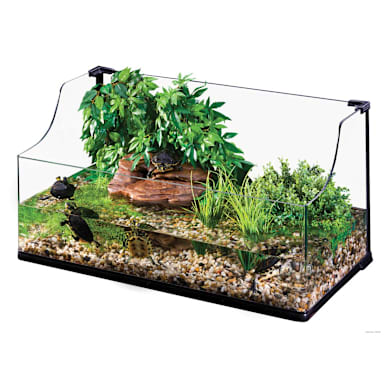
Aquatic Turtles shedding their scute (shell) is completely normal, but learn about turtle shedding and things you should look out for.
A common question for new aquatic turtle pet parents is, why is my turtle’s shell peeling and should I be concerned?
The plate-like scales on your aquatic turtle’s shell are known as scutes; which are composed of keratin similar to a human fingernail! Below the scutes is the epithelium layer, the epithelium is the layer that produces the outer shell layer of scutes. Below the epithelium layer, a turtle’s shell in composed of a whopping 60 bones that offer support and protection to vital organs.
When a turtle grows, the epithelium produces new scutes that grow under the old ones, allowing the shell to expand. When you notice a scute beginning to shed, you’re watching your turtle grow! Not all turtles and tortoise have this effect; most land tortoises will not shed their scutes, they will just compound and make a thicker, stronger shell. Why wouldn’t the aquatic turtle shell do the same? If the scutes did not shed, it would make the shell thicker and heavier, making it harder for the turtle to swim. This is also great for shell maintenance; as the scutes shed, the turtle will lose any foreign growth on their shell.
Should I Be Worried About My Turtle's Scute Shedding?
Aquatic turtle scute shedding is a completely normal part of growth — but not every change to your turtle's shell is routine. Knowing the difference between healthy shedding and a warning sign can help you act quickly when it matters most.
Contact your veterinarian promptly if you notice any of the following:
- Redness, bleeding, or exposed bone beneath a lifted or missing scute — this can indicate infection or serious shell damage https://www.merckvetmanual.com/all-other-pets
- Deformed scutes or scutes falling off in fragments rather than peeling away cleanly as a single, thin layer
- Scutes that appear abnormally thick or opaque — healthy shed scutes should be thin and translucent; thickening can signal a metabolic or nutritional problem https://vcahospitals.com/know-your-pet
- Visible scrapes, scratches, or gashes on the shell surface, which can open the door to bacterial or fungal infection
- Any foreign growth on the shell, including unusual discoloration, fuzzy patches, or raised lesions
When in doubt, err on the side of caution. Shell problems can escalate quickly in aquatic turtles, so a same-day or next-day veterinary visit is always the right call if something looks off.
How to Help Prevent Scute Shedding Problems
You can't eliminate shedding — and you wouldn't want to, since it's how your turtle grows. What you can do is set up an environment that makes healthy, complication-free shedding far more likely. Here's how each step makes a real difference:
Remove Sharp Objects From the Habitat
Jagged rocks, broken décor edges, or rough substrate can nick and scratch your turtle's shell as it moves around. Even a small abrasion creates an entry point for bacteria. Audit your turtle's fish tank regularly and replace anything with a rough or pointed edge with smooth, turtle-safe decorations.
Maintain the Right Basking Temperature
Basking isn't optional for aquatic turtles — it's how they regulate body temperature, support immune function, and allow their shells to dry fully between swims. A basking area that's too cool prevents proper drying, which can encourage fungal growth on the shell. Most common aquatic turtle species need a basking surface temperature in the range of 85–95°F, though your veterinarian or a knowledgeable Petco associate can confirm the right range for your specific turtle's species https://www.merckvetmanual.com/all-other-pets.
Prioritize Water Quality
This is the single most impactful factor in your turtle's overall shell health. Poor water quality — high ammonia, low oxygen, or bacterial overload — creates the exact conditions that turn a normal shed into an infected one. A strong filtration system, consistent water flow, and regular partial water changes work together to keep harmful bacteria in check. Test your water parameters routinely and don't skip scheduled changes, even when the water looks clear.
Feed a Wholesome, Balanced Diet — and Stick to Appropriate Portions
Nutritional deficiencies, particularly in calcium and vitamin D3, are a leading cause of abnormal scute development and metabolic bone disease in aquatic turtles https://vcahospitals.com/know-your-pet. A premium, species-appropriate diet — commercial turtle pellets supplemented with appropriate fresh foods — gives your turtle the building blocks it needs for a strong, evenly growing shell. Overfeeding is just as problematic as underfeeding: excess protein in particular has been linked to pyramiding and irregular scute growth. Treats should make up no more than 10% of your turtle's overall diet.
Avoid Overcrowding the Habitat
Too many turtles in one fish tank means competition for basking spots, increased waste load (which tanks water quality), and a higher risk of shell-on-shell scrapes and bites. Each turtle needs adequate space to bask fully, swim freely, and dry off completely — all of which support normal, healthy shedding.
A note on veterinary care: If you do notice any of the warning signs above — or if your turtle's shedding simply doesn't look right to you — please seek veterinary attention as soon as possible. Shell problems that are caught early are almost always easier to treat than those that are left to progress. Your veterinarian is your best partner in keeping your turtle's shell healthy at every stage of growth.
Frequently Asked Questions
How often do aquatic turtles shed their scutes? There is no fixed calendar schedule — scute shedding is tied directly to your turtle's growth rate rather than the time of year. Young, fast-growing turtles may shed scutes more frequently than fully mature adults. As long as shedding looks gradual and the tissue underneath appears clean and intact, it is a normal part of development.
Is scute shedding painful for my turtle? Healthy scute shedding is not considered painful. Because new scutes grow in beneath the old ones before the old layer lifts away, the process is more comparable to a human fingernail growing out than to a wound. If your turtle is showing signs of stress, loss of appetite, or the area beneath a loosening scute appears red or raw, consult your veterinarian — those signs can indicate infection or injury rather than routine shedding. https://vcahospitals.com/know-your-pet
Should I help remove a loose or peeling scute? No. You should never manually pull or peel a scute, even if it looks like it is barely attached. Forcing a scute off before it is ready can tear the sensitive epithelium layer underneath, creating an open wound that is vulnerable to bacterial or fungal infection. Allow the scute to separate on its own. If a scute has been partially dislodged by an injury or appears stuck and causing problems, that is a situation for your veterinarian — not a home remedy. https://www.merckvetmanual.com/all-other-pets
What does abnormal scute shedding look like? Normal shed scutes are thin and translucent. Contact your veterinarian promptly if you notice any of the following: scutes that are unusually thick or opaque, tissue beneath a scute that looks red, bloody, or like exposed bone, scutes breaking off in irregular fragments rather than lifting cleanly, visible scrapes or gashes in the shell, or any unusual growth on the shell surface. These can be signs of shell rot, metabolic bone disease, or physical trauma. https://vcahospitals.com/know-your-pet
Why do aquatic turtles shed scutes but land tortoises generally do not? It comes down to the demands of their environment. In aquatic turtles, shedding old scutes keeps the shell lightweight and streamlined for swimming — a thicker, compounding shell would make movement through water much harder. Land tortoises, by contrast, benefit from a progressively thicker and stronger shell for protection on land, so their scutes typically layer and compound over time rather than shed.
Can poor water quality affect my turtle's scute health? Yes. Inadequate filtration, infrequent water changes, and poor water quality create conditions where bacteria and fungi can thrive, increasing the risk of shell rot and abnormal shedding. Maintaining proper water flow and filtration, performing regular water changes, ensuring the basking area reaches the correct temperature, and feeding a nutritious diet are all steps that can help support a healthy shedding cycle. If you are unsure whether your setup meets your turtle's needs, your veterinarian or a knowledgeable Petco associate can help you evaluate it. https://www.merckvetmanual.com/all-other-pets
This article was created with assistance from AI tools and reviewed for accuracy by Petco's content team.
Related Articles


