


Two Easy Ways to Start Earning Rewards!
Become a member today! Members-only pricing and offers, personalized care notifications, Vital Care points back on every purchase and more!
 Become a credit card member today!
Earn 2X Pals Rewards points at Petco
when you use Petco Pay!APPLY NOWLearn More About Petco Pay Benefits
Bubbles in Fish Tank: Causes & What to Do
Published on September 15th, 2023
Updated on July 16th, 2026

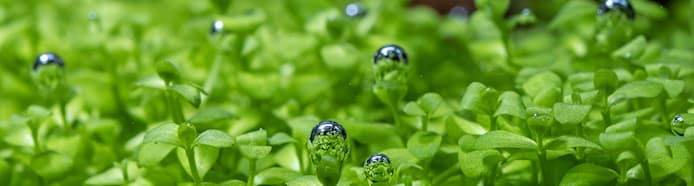
It's not uncommon to occasionally observe oil, bubbles or foam forming in your aquarium. Before reacting, you need to determine if it's natural or dangerous.
Bubbles in Your Fish Tank: What's Normal and What's Not
It's completely common to notice bubbles, foam, or an oily film forming in your aquarium — and before you panic, take a breath. Most bubbles are harmless or even beneficial. A small number, however, signal a water quality problem that needs your attention. Knowing the difference is one of the most important skills an aquarist can develop.
Underwater environments depend on dissolved gases like oxygen and CO₂, so your aquarium is naturally prone to bubble and foam activity. Your fish, live plants and equipment all produce bubbles that support a thriving tank. But bubbles and foam can also be early warning signs of poor water quality or chemical contamination. Let's break it all down — cause by cause.
Quick Reference: Good Bubbles vs. Bad Bubbles
| Bubble or Foam Type | Likely Cause | Cause for Concern? |
|---|---|---|
| Fine bubbles along glass after water change | Temperature difference (cold water releases oxygen) | No — completely normal |
| Bubbles at surface after filling or cleaning | Agitation during setup or water change | No — dissipates on its own |
| Bubbles from filter or air stone | Filtration and aeration equipment | No — sign your equipment is working |
| White or clear foam at surface | Protein buildup from waste, uneaten food or decaying matter | Mild — clean tank and do a water change |
| Rainbow-tinted bubbles or film | Cleaning product contamination | Yes — act immediately |
| Unusually colored foam | Possible chemical or medication presence | Yes — investigate the source |
Natural Causes of Bubbles in Your Fish Tank
Agitation from setup and water changes One of the most frequent sources of bubbles is also the most innocent: physical agitation. When you fill a new aquarium or perform a routine water change, the turbulence created at the water's surface causes bubbles and a light foam to form temporarily. These dissipate on their own and are nothing to worry about.
Filtration and aeration equipment Your filter, air stone and powerhead are designed to move and oxygenate water — and bubbles are a natural byproduct of that process. Bubbles rising from these components are a sign your equipment is doing its job. No action needed.
Temperature-driven oxygen release You may notice small bubbles clinging to the aquarium glass, your heater or decorations after a water change, especially in winter. This happens because of basic water chemistry: cold water holds more dissolved oxygen than warm water. When cooler tap water enters your tropical aquarium and mixes with the warmer water already inside, the excess oxygen is released, forming those tiny bubbles on surfaces. This is a completely natural reaction and not a cause for concern.
Pearling from live plants If your aquarium contains live aquatic plants, you may observe a phenomenon called pearling — a steady stream of tiny, bright bubbles rising from plant leaves. This is photosynthesis in action: plants absorb CO₂ and release oxygen as a byproduct. Pearling is a sign your plants are thriving and your tank's gas exchange is healthy.
Protein Foam and Oily Biofilms
The most common cause of foam in a fish tank is an excess of organic waste — fish waste, uneaten food or decaying plant matter. As this material breaks down, it releases proteins that attach to small air bubbles and rise to the surface, forming foam or a thin oily film.
Protein foam and oily biofilms are not immediately dangerous to your fish, but they are a clear signal that your aquarium needs attention. Left unaddressed, the buildup can degrade water quality over time.
What to do:
- Perform a partial water change to reduce organic load
- Remove uneaten food promptly after feeding
- Trim or remove decaying plant matter
- Increase surface agitation to help break up oily films and improve gas exchange
For saltwater aquariums: A protein skimmer is one of the most effective tools for extracting dissolved proteins and oils directly from the water column before they accumulate. Unfortunately, protein skimmers are significantly less effective in freshwater aquariums because freshwater cannot generate the fine, stable air bubbles that the skimming process requires.
Bubbles Caused by Medications or Recent Additives
If you've recently added a medication or water conditioner to your aquarium, bubbles may appear as a direct result of those additives. This is generally temporary. Monitor the tank closely, and if your fish show any signs of stress — labored breathing, unusual swimming behavior or loss of appetite — consult your veterinarian promptly.
Rainbow-Tinted Bubbles or Film: Act Immediately
This is the one type of bubble that should put you on high alert. If the bubbles or the film on your water's surface have a rainbow shimmer or iridescent tint, cleaning product contamination is the most likely cause.
Cleaning products can enter your aquarium in two ways:
- Residue on equipment or decorations that weren't rinsed thoroughly after cleaning
- Aerosol sprays used near an open-top aquarium, which can drift into the water
Soap- and detergent-based chemicals are highly toxic to fish and other aquatic life the ASPCA. If you discover rainbow-colored bubbles or film, take the following steps without delay:
- Remove your fish to a separate, clean container with conditioned water immediately
- Drain the aquarium completely
- Rinse all decorations, the heater and filtration components vigorously with clean, dechlorinated water — no soap
- Discard all filter media and replace it with fresh media; do not attempt to rinse and reuse it
- Refill and re-condition the aquarium before reintroducing your fish
- Contact your veterinarian if any fish appear stressed or ill after the incident
Similarly, if you recently cleaned your aquarium or decorations and didn't rinse them thoroughly, residual cleaning solution can cause bubbles with that telltale rainbow sheen. Always rinse aquarium equipment with plain, dechlorinated water — never with soap or household cleaners.
Foam After a Water Change: A Quick Note on Heaters
If you notice bubbles forming specifically around your aquarium heater shortly after a water change, this is typically the heater working to bring the new, cooler water up to your tank's target temperature. As the water warms, dissolved gases are released as small bubbles. This is normal behavior and will stop once the water temperature stabilizes.
When to Call Your Veterinarian
Most bubbles in a fish tank have a simple, benign explanation. But if you notice any of the following alongside unusual bubbling or foam, reach out to a veterinarian with aquatic experience:
- Fish gasping at the surface
- Unusual lethargy, clamped fins or loss of color
- Persistent foam that doesn't resolve after a water change and cleaning
- Any suspicion of chemical contamination that may have affected your fish
Staying observant and acting quickly when something looks off is the best thing you can do for the fish you share your life with.
Pearling: Bubbles From Live Plants
If you have live plants in your aquarium, you may notice tiny, glistening bubbles forming on the leaves — a phenomenon plant hobbyists call pearling. Those bubbles are pure oxygen, released as a byproduct of photosynthesis. When your plants are actively absorbing carbon dioxide and converting light into energy, pearling is a visible sign that they're genuinely thriving. Think of it as your plants showing off.
A quick note worth remembering: algae is also a plant and undergoes the same photosynthesis process — so if you spot similar tiny bubbles clinging to a patch of algae on the glass or decorations, that's the same mechanism at work. Pearling from algae isn't a cause for concern on its own, though a sudden algae bloom can signal an imbalance in light or nutrients worth investigating.
Bubbles From Fish Medications: Do They Signal a Problem?
If one of your fish is feeling under the weather and you've added a treatment to the aquarium, you may notice bubbles behaving a little differently than usual — lingering on the surface longer or taking more time to pop. Here's the straightforward answer: this is expected, not alarming.
Many aquarium medications slightly increase the water's viscosity (its thickness or "body"). That small change in water chemistry means surface bubbles don't break apart as quickly as they normally would, so they hang around a bit longer before dissipating. The bubbles themselves aren't a sign that something is wrong — they're simply a side effect of the medication altering the water's physical properties.
What to watch for instead:
- Excessive, persistent foam that builds up and doesn't clear — this can point to an unrelated water quality issue such as elevated organic waste or protein buildup, and warrants a water test
- Fish gasping at the surface alongside unusual bubbles — this may indicate low dissolved oxygen and should prompt an immediate check of your filter and aeration
- Cloudy water combined with surface bubbles — a possible sign of a bacterial bloom; test your water parameters and consult your aquatic specialist
If you're ever unsure whether a medication is affecting your aquarium in unexpected ways, or if your fish's condition isn't improving, reach out to your veterinarian — ideally one with aquatic experience — for guidance.
Bubblenest Foam: When Bubbles Are a Good Sign
Bubble nesting fish can also be the cause of bubbles in your aquarium. Male Labyrinth fish species, like Gourami’s, Paradise fish, and Bettas build these bubble nests for their eggs to develop in.
Bubbles in Your Fish Tank: Quick-Reference Guide
| Bubble / Foam Type | Primary Cause | Safe for Your Fish? | What to Do |
|---|---|---|---|
| Surface foam (white, no odor) | Agitation from a new fill, filter or water change | Yes — temporary | Wait 24–48 hours; increase surface agitation if it lingers |
| Pearling (tiny bubbles on plants) | Live plants releasing oxygen during photosynthesis | Yes — a sign your plants are thriving | Nothing; enjoy the show |
| Bubble nest (cluster at surface) | Male labyrinth fish (betta, gourami, paradise fish) building a nest for eggs | Yes — natural breeding behavior | Leave it undisturbed; avoid strong surface flow near the nest |
| Temperature bubbles (on glass/décor) | Cold replacement water releasing dissolved oxygen as it warms | Yes — harmless physics | None needed; bubbles disappear as temperatures equalize |
| Protein foam (persistent, sudsy) | Excess waste, uneaten food or decaying plant matter breaking down into proteins | Warning sign — not immediately deadly, but indicates poor water quality | Perform a partial water change, remove debris, use a protein skimmer (saltwater tanks) |
| Medication bubbles (slow-popping) | Aquarium medications increasing water viscosity | Monitor — caused by treatment, not a new problem | Follow medication directions; bubbles resolve when the treatment course ends |
| Rainbow-tinted film or bubbles | Cleaning product or aerosol contamination | Dangerous — chemical contamination can harm or kill aquatic life | Remove fish immediately; drain the tank; scrub and rinse all equipment thoroughly; replace all filter media |
| Discolored or foul-smelling foam | Severe organic buildup or chemical imbalance | Dangerous — test water immediately | Test ammonia, nitrite, nitrate and pH; perform an emergency water change; consult your veterinarian if fish show stress signs |
Quick rule of thumb: Clear or white bubbles that appear briefly after a water change or near your filter are almost always harmless. Foam that persists, smells, or carries any color other than white is your tank asking for attention. When in doubt — especially if your fish are gasping, listing or hiding — consult your veterinarian or an aquatic health specialist right away.
Frequently Asked Questions
Why do I suddenly have a lot of bubbles in my fish tank? A sudden increase in bubbles is most often caused by a recent water change, a new filter or air stone, or a temperature difference between the replacement water and your tank water. Cold water holds more dissolved oxygen than warm water; as it heats up, that oxygen escapes as tiny bubbles on the glass and décor. This is harmless and resolves on its own within a few hours. If bubbles are accompanied by fish gasping at the surface, test your water parameters immediately, as low oxygen or high ammonia may be the real culprit.
Are bubbles at the top of my fish tank normal? Yes, in most cases. Surface bubbles from your filter outlet, air stone or a recent fill are a normal part of healthy gas exchange. The exception is a thick, persistent foam that doesn't break up within a day, or any foam with a rainbow sheen — both signal a water-quality or contamination issue that needs prompt attention.
What does pearling mean in a fish tank? Pearling is the term aquatic plant hobbyists use for the tiny oxygen bubbles that form on the leaves of thriving live plants during photosynthesis. It means your plants are actively absorbing CO₂ and releasing oxygen — a positive sign for both plant health and overall tank oxygenation. Note that algae, also a plant, will pearl in the same way.
Why is my betta fish making bubbles at the surface? Your betta is almost certainly building a bubble nest. Male labyrinth fish — including bettas, gouramis and paradise fish — blow mucus-coated air bubbles to create a floating nest where eggs develop. It is a completely natural breeding behavior and a sign your betta is comfortable and healthy. Avoid disrupting the nest or directing strong filter flow toward it.
Can cleaning products cause bubbles in my fish tank? Yes, and this is one of the most serious bubble-related concerns for aquatic life. Soap, glass cleaner or aerosol sprays used near an open-top tank can enter the water and create a rainbow-tinted film or foam. If you see iridescent bubbles, remove your fish to a safe container immediately, drain the tank, and rinse all equipment — including heater, filter and décor — thoroughly. Discard and replace all filter media. Consult your veterinarian if any fish appear distressed. the ASPCA
When should I call a veterinarian about bubbles in my fish tank? Contact an aquatic veterinarian if bubbles or foam are accompanied by fish gasping at the surface, clamped fins, unusual swimming patterns, visible lesions or rapid fish loss. These symptoms suggest a water-quality emergency — such as an ammonia spike or oxygen depletion — or possible disease that goes beyond a simple bubble issue.
This article was created with assistance from AI tools and reviewed for accuracy by Petco's content team.


