


Two Easy Ways to Start Earning Rewards!
Become a member today! Members-only pricing and offers, personalized care notifications, Vital Care points back on every purchase and more!
 Become a credit card member today!
Earn 2X Pals Rewards points at Petco
when you use Petco Pay!APPLY NOWLearn More About Petco Pay Benefits
When to Start Training a Puppy: Age-by-Age Guide
Published on January 23rd, 2024
Updated on June 18th, 2026

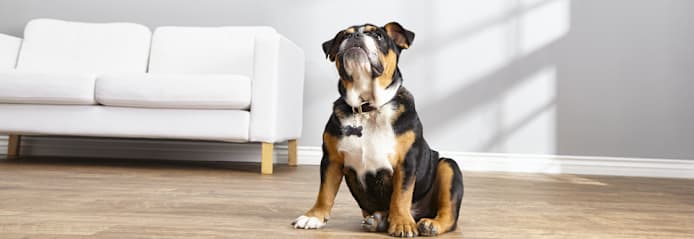
Puppies can pick up a lot, often sooner than you think. Learn when you should begin socializing and training your dog.
A lot of preparation goes into bringing home a new puppy, and pet parents who are doing it for the first time might forget to add training to a long to-do list that already includes stocking up on essentials, puppy proofing their home and bonding, especially in those special early days. But the truth is, puppies can—and should—begin some form of training a lot earlier than you might expect.
Since puppies tend to have short attention spans, formal and group training should be put on hold at least until after they’ve had their initial round of vaccinations. In the meantime, you can get your puppy interested and acclimated to the idea of training with short sessions at home. Here’s what to know.
When to socialize your puppy
Puppy Socialization: When to Start and What to Do
Early puppy socialization is one of the most important investments you can make in your dog's future. A well-socialized puppy grows into a dog who is comfortable around other dogs and people, adapts easily to new environments and is far less likely to develop fear-based behaviors. Without it, even a naturally friendly puppy can become skittish, reactive or difficult to manage in unfamiliar situations.
Puppy socialization breaks down into two distinct types — and the timing for each is different.
Environmental Socialization (Starts at 3–4 Weeks, Continues at Home)
Environmental socialization can begin as soon as puppies start weaning — typically around 3 to 4 weeks of age. This is why reputable breeders and rescue groups often start the work before a puppy ever arrives in your home: introducing young puppies to different textures underfoot, household sounds, varying light conditions and everyday objects they'll encounter throughout their lives.
When you bring your puppy home, you can pick up right where the breeder left off. Begin exposing your puppy to new environmental factors immediately, as long as you stick to locations that are safe for unvaccinated puppies — your home, your yard and the homes of dogs you know are fully vaccinated.
Environmental factors to introduce early:
- Textures: hardwood floors, carpet, grass, gravel, tile
- Sounds: vacuum cleaners, doorbells, traffic noise, children playing
- Sights: umbrellas, hats, bicycles, strollers
- Surfaces and spaces: stairs, crates, car rides, different rooms
The goal is gradual, positive exposure — not flooding your puppy with everything at once. Keep sessions short, watch for signs of stress and always end on a calm, confident note.
Use positive reinforcement throughout. Reward-based training — offering a small treat, enthusiastic praise or a favorite toy the moment your puppy engages calmly with something new — is the most effective and humane approach to building confidence. When your puppy hears a loud noise and looks to you instead of bolting, that's exactly the moment to mark and reward. Positive reinforcement builds the association that new things predict good outcomes, which is the foundation of a well-adjusted adult dog.
Socialization With People and Other Dogs (Typically From 16 Weeks)
Once your puppy has completed his or her core vaccinations — generally around 16 weeks of age — socialization with unfamiliar dogs and people outside your household can begin in earnest. Until that point, keep dog-to-dog interactions limited to dogs in your own home or dogs you know are fully up to date on their vaccines.
A practical progression for early social outings:
| Stage | What to Try | Key Tips |
|---|---|---|
| Weeks 8–16 (pre-vaccination complete) | One-on-one play with vaccinated dogs in your home or a trusted friend's home | Keep sessions under 15 minutes; watch body language closely |
| Around 16 weeks (vaccinations complete) | Short outings to quiet public spaces; small puppy play dates | Choose calm environments first; avoid busy dog parks initially |
| 4–6 months | Puppy classes, neighborhood walks, brief dog park visits | Build duration gradually; debrief after each outing |
| 6 months+ | Broader social experiences, group training classes | Continue reinforcing calm, confident behavior |
Start small and build gradually. A single overwhelming experience — a dog park visit that goes sideways, a greeting with an overly boisterous dog — can set socialization back significantly. Short, positive interactions are far more valuable than long, chaotic ones.
Learn to read your dog's body language. This is non-negotiable. Signs that your puppy is becoming stressed, overstimulated or uncomfortable include:
- Tucked tail or lowered body posture
- Yawning, lip-licking or excessive panting outside of heat
- Whale eye (showing the whites of the eyes)
- Freezing, stiffening or attempting to hide
- Growling or snapping
If you notice any of these signals, calmly remove your puppy from the situation before things escalate. Never force a greeting or correct a puppy for communicating discomfort — those signals are valuable information, and suppressing them can lead to bigger behavioral problems down the road. When in doubt about your puppy's behavior or stress responses, consult your veterinarian or a Petco-certified trainer for personalized guidance.
Puppies should start house training as soon as they arrive home (typically at around 8 weeks old). Depending on your living situation, however, you may want to begin by using puppy pads or turf pads indoors and graduating to outdoor training at around 16 weeks old, once they’ve been fully vaccinated and it’s safer for them to walk on all surfaces. By this time, your pup will likely have more control of their bowel and body movements and may be more receptive to learning when to hold it and where to go.
When beginning potty training, remember, routine matters. Keep your puppy on a regular feeding schedule while training, and take them out at the same times every day, generally first thing in the morning and then every 30 minutes to an hour throughout the rest of the day. Bring them to the same spot every time. To help reinforce your expectations, their potty spot should be separate from their play area.
When to start puppy school
Traditionally speaking, your puppy can start formal puppy school within a small group class once they’ve been fully vaccinated and are about 16 weeks old. However, since puppy school can also take place in a one-on-one setting or even online, you may begin a training program after your puppy has their first round of shots, be sure to contact the training program you are interested in to learn about any specifics. Finding the right format for you (and them) may take a little trial and error.
Puppy training can seem intimidating, but it doesn’t have to be. Starting early and often with the basics helps put your dog into the training mindset. Then, once they’ve been vaccinated, group lessons with the experts at Petco can help them perfect and fine-tune their all-important social skills.
Puppy Training Timeline: Age-by-Age Quick Reference
| Age | Training Type | What to Work On | Key Notes |
|---|---|---|---|
| 3–8 weeks (with breeder/rescue) | Environmental socialization | Different textures, sounds, sights, and gentle handling | Most breeders begin this before puppies go to their forever homes |
| 8 weeks (arrival home) | House training + basic cues | Potty routine, crate introduction, name recognition, "sit" | Start the day your puppy arrives; routine and consistency matter most |
| 8–12 weeks | At-home environmental socialization | New surfaces, household noises, car rides, gentle visitors | Safe, unvaccinated-friendly environments only (your yard, your home) |
| 8–16 weeks | Short at-home training sessions | Sit, stay, come, leash manners, crate comfort | Keep sessions to 3–5 minutes; puppies have short attention spans |
| 12–16 weeks | First round of vaccinations complete | Expand socialization to controlled, low-risk outdoor spaces | Confirm vaccination schedule with your veterinarian before venturing out |
| 16 weeks+ | Socialization with other dogs and people | Puppy play dates, calm park visits, meeting strangers | Watch your puppy's body language closely; remove him or her if stressed |
| 16 weeks+ | Formal group puppy school | Leash manners, recall, impulse control, social skills | Group classes at Petco available once fully vaccinated; one-on-one or online options may start earlier |
| 6 months+ | Continued reinforcement and advanced cues | Stay, leave it, loose-leash walking, tricks | Positive reinforcement remains the most effective approach throughout |
Tip: Treats used as training rewards should make up no more than 10% of your puppy's daily diet to keep his or her nutrition on track.
This article was created with assistance from AI tools and reviewed for accuracy by Petco's content team.
Related Articles


