


Two Easy Ways to Start Earning Rewards!
Become a member today! Members-only pricing and offers, personalized care notifications, Vital Care points back on every purchase and more!
 Become a credit card member today!
Earn 2X Pals Rewards points at Petco
when you use Petco Pay!APPLY NOWLearn More About Petco Pay Benefits
Doga: The Complete Guide to Yoga With Your Dog
Published on March 20th, 2024
Updated on June 18th, 2026

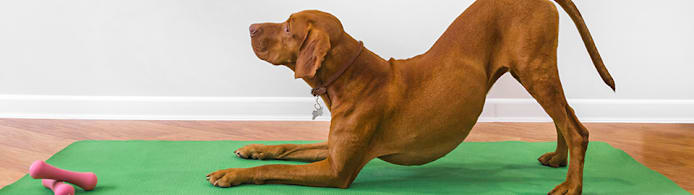
Read more about combining yoga sessions with your pet dog’s exercises in doga classes which will help you both with stress-reduction and relaxation.
What Is Doga? Yoga With Your Dog, Explained
Doga — dog yoga — is a shared mindfulness practice where you and your dog move, stretch and relax together, blending traditional yoga poses with gentle canine massage, assisted stretching and quiet bonding time. If you've been curious about doga classes or simply want to understand what "yoga with your dog" actually looks like on the mat, you're in the right place.
Modern life leaves most pet parents stretched thin — and not in the restorative way. Yoga has long been recognized as a go-to practice for stress reduction and mindfulness, and doga takes that a step further by folding your dog into the experience. Rather than leaving your pup on the couch while you flow through your practice, doga invites him or her to be an active (or blissfully passive) participant alongside you.
Whether this is the first time you're hearing the word "doga" or you've been eager to try a dog yoga class but weren't sure where to begin, this guide covers everything you need to know — from what to expect in a session to how to set your dog up for a calm, comfortable experience on the mat.
What is dog yoga (aka doga)?
The word doga (pronounced like yoga) is a combination of dog and yoga, and its definition is exactly as the name implies—a yoga session in which your dog participates in meditating, stretching, massaging, relaxing, balancing and more!
While yoga is an ancient practice, doga is relatively new. The specifics of doga vary widely based on your personal preferences—as well as your dog's—but the overall emphasis is to promote a bonding activity for you and your dog. Doga takes place in a setting where relaxation, play and unity come together in an enjoyable experience that dogs and pet parents can benefit from equally.

Doga could be something as simple as spending time massaging your dog's paws on the mat. Or it could include helping your dog learn how to stretch in unison with you.
Doga can be done alone with your dog at home, or it could take place during a group class. Doga might involve a variety of poses that you train your dog to perform, or it might simply be time spent breathing slowly and relaxing alongside your dog.
However you choose to practice, doga is all about embracing calmness while enjoying time bonding with your pooch.
The Benefits of Doga That Extend Beyond the Mat
The benefits of doga are immense — for both you and your pup. Whether you're a seasoned yogi or completely new to the practice, here are compelling reasons to roll out the mat and invite your dog to join you.
Increased trust and confidence. Doga is an excellent way to spend one-on-one time with your dog in a calm, unhurried atmosphere that fosters positive emotions and deepens your bond. That bonding time is highly beneficial to your dog's mental and emotional wellbeing. As your dog learns to trust you to gently hold or guide his paws through a pose, he may grow more comfortable being handled in other settings — like at the veterinarian's office or the groomer. Over time, that confidence can carry into everyday life, making new experiences feel less overwhelming for an anxious or reactive dog.
Improved relaxation. Both you and your pup will benefit from slowing down and unwinding together on the mat. The deliberate pace of doga — quiet music, steady breathing, gentle movement — signals to your dog that it's safe to settle. You can use this as a positive, low-pressure way to help your pup find calmness during stressful periods, such as after a move, during thunderstorm season, or when adjusting to a new household routine.
Strength building and gentle calorie burning. Dogs experience physical benefits from doga that are similar to what humans gain from a regular yoga practice. The poses and stretching work together to help loosen sore or tight muscles and build overall muscular strength. That added activity on the mat can also help burn extra calories — which can be particularly valuable for senior dogs whose limited mobility makes higher-impact exercise difficult or uncomfortable. If your dog is older or managing a joint condition, always check with your veterinarian before introducing any new physical activity, including doga, to make sure the movements are appropriate for his individual needs.
A note on wellbeing: Doga supports your dog's physical and emotional health as a complement to — not a replacement for — regular veterinary care, a nutritious diet and appropriate daily exercise.
How to teach your dog yoga at home
First, since some of the elements of doga can involve stretching, massage and acupressure, you'll want to consult with your veterinarian before embarking on any doga activities. Once you've established a safe doga routine with your vet, you'll want to introduce your dog to the process slowly.
Fun Ways to Try Doga with Your Dog
Ready to roll out the mat? Whether you and your dog are brand new to doga or you've already mastered a few poses together, these ideas make it easy — and genuinely enjoyable — to get started.
Start with a Simple Relaxation Session
Before attempting any structured poses, spend five to ten minutes simply sitting or lying on your mat and letting your dog settle beside you. Focus on slow, deep breathing. Dogs are remarkably attuned to their pet parent's energy, and a calm, grounded presence on your part signals to your dog that this is a low-pressure, safe space. Many pet parents find this quiet warm-up is the most bonding part of the whole practice.
Try a Beginner Doga Class Together
Look for in-person doga classes at local yoga studios, dog-friendly community centers or pet wellness events. A knowledgeable instructor can guide both of you through poses that are appropriately sized and paced for your dog's breed, age and mobility — and can flag anything that might put unnecessary strain on his joints. If in-person classes aren't available in your area, many instructors now offer virtual doga sessions you can follow from your living room.
Practice at Home with These Starter Poses
You don't need a class to begin. These approachable poses work well for most dogs and require no special equipment beyond a yoga mat and a calm environment:
- Savasana together: Lie flat on your mat and invite your dog to rest alongside you or across your legs. Focus on matching your breathing to a slow, steady rhythm while gently stroking his back.
- Seated forward fold with your dog: Sit with your legs extended and encourage your dog to sit between them or in your lap. Fold gently forward, resting your hands on his back or sides — a light, reassuring touch rather than any pressure.
- Puppy pose (modified child's pose): Lower into child's pose and let your dog naturally investigate or nestle in beside you. Many dogs will mirror the low, relaxed posture on their own.
- Supported twist: Sit cross-legged and hold your dog gently in your lap or beside your hip as you rotate slowly side to side. Keep movements smooth and unhurried so he stays comfortable throughout.
Always follow your dog's lead. If he gets up, wanders off or seems restless, let him — forcing stillness defeats the purpose of doga entirely.
Make It a Consistent Routine
Doga works best when it becomes a regular, predictable part of your week rather than a one-time experiment. Try scheduling short sessions — even just ten to fifteen minutes — at the same time each day so your dog begins to anticipate and settle into the ritual. Morning sessions can set a calm tone for the day; evening sessions can help both of you decompress. Consistency also gives you a chance to notice gradual improvements in your dog's flexibility and willingness to engage.
Keep Rewards Handy
Positive reinforcement goes a long way in doga. Keeping a few wholesome treats nearby lets you reward calm, cooperative behavior without interrupting the flow of your practice. Opt for small, low-calorie options so treats stay well within the recommended guideline of no more than 10% of your dog's daily diet https://www.aafco.org/consumers/understanding-pet-food/. A quiet verbal cue like "good" or "settle" paired with a treat can gradually teach your dog that mat time is something worth showing up for.
Know When to Check with Your Veterinarian
Doga is a gentle, low-impact activity for most dogs, but it isn't right for every dog in every situation. If your dog has arthritis, a recent injury, hip dysplasia or any other musculoskeletal condition, consult your veterinarian before introducing new physical activities or positions — even gentle ones. Your vet can let you know which movements to avoid and whether doga is a good fit for your dog's individual health needs.
Exercise caution and patience—some dogs are slow to become comfortable with posing on the mat or working on stretching exercises. Be sensitive to their hesitation and provide encouraging reinforcement by helping your dog associate the yoga mat with positive experiences, such as playing with a toy together.
Remember, doga is what you make it! Your dog might enjoy sharing a moment of stretching in downward dog alongside you, or they may prefer to take a relaxing snooze next to you while you meditate.
Trying out a doga class
In addition to trying out doga at home, you can check to see if doga classes are offered in your area—regular outings to yoga classes can be a great way to socialize your dog while allowing you to share the experience as a pair.
Humane societies occasionally team up with yoga instructors to hold doga events—sometimes as community fundraisers. Ask your local humane society if this is something they offer. A doga event can be a great way to get acquainted with the practice of doga and meet other doga enthusiasts who share similar goals and experiences.
If you can't find doga activities in your area, don't despair! Instead, contact local yoga instructors to see if they would consider offering a doga class or gather up a few interested friends and their dogs and pursue doga activities as a group.
Frequently Asked Questions
Is doga safe for all dogs? Doga is gentle enough for most dogs, but it isn't a one-size-fits-all activity. Dogs with arthritis, joint conditions, recent injuries or chronic pain may find certain stretches uncomfortable. Always consult your veterinarian before starting any new physical activity — including doga — especially if your dog is a senior, recovering from surgery or managing a health condition.
What dog breeds tend to do well in doga? Calm, people-focused breeds — such as Golden Retrievers, Basset Hounds and Cavalier King Charles Spaniels — often take to doga naturally. That said, breed is less important than individual temperament. A relaxed, socialized mixed-breed dog can thrive in doga, while a high-energy or reactive dog of any breed may need basic obedience training and gradual desensitization before joining a group class.
Do I need prior yoga experience to try doga? No prior yoga experience is required. Doga emphasizes connection, breathing and gentle movement over technical precision. Beginners are welcome in most doga classes, and practicing at home requires nothing more than a mat, a calm space and a willing pup. As your comfort with yoga grows, you can naturally incorporate more structured poses.
How long should a doga session last? A typical doga session runs 30 to 60 minutes, but there are no strict rules. For dogs new to the practice, starting with 10–15 minutes of calm, guided interaction — slow breathing, light massage and simple stretches — helps build a positive association before extending session length. Let your dog's comfort level guide the pace.
Can doga help with my dog's anxiety or stress? Doga's emphasis on slow movement, rhythmic breathing and gentle touch can help create a calming environment for dogs who experience mild situational stress. The one-on-one bonding time may help build trust and confidence over time — which can carry over to other potentially stressful settings like veterinary visits or grooming appointments. However, doga is not a substitute for professional behavioral support. If your dog shows signs of significant anxiety, speak with your veterinarian or a certified animal behaviorist.
What should I bring to a doga class? Plan to bring a clean yoga mat (or a dedicated dog-friendly mat), a leash, waste bags, a small supply of your dog's favorite treats for positive reinforcement and a portable water bowl. Avoid bringing toys that may distract other dogs in a group setting. Check with the class instructor ahead of time — some studios have specific requirements around vaccination records or temperament assessments before allowing dogs to participate.
Doga at Home vs. Doga Classes: Which Is Right for You and Your Dog?
Whether you roll out the mat in your living room or head to a group session across town, both approaches deliver real bonding benefits — they just fit different lifestyles. Use the table below to find your best match.
| Factor | Doga at Home | Doga Class |
|---|---|---|
| Typical cost | Free (after a one-time mat investment) | $15–$30 per drop-in class; varies by studio |
| Scheduling flexibility | Practice any time, any day, at your own pace | Fixed class times; requires advance planning |
| Socialization for your dog | Limited to household members | High — regular exposure to new dogs and people supports confidence |
| Instruction level | Self-guided; rely on videos or articles | Led by a certified yoga instructor familiar with dog-inclusive sessions |
| Space requirements | One yoga mat's worth of clear floor space | Studio or outdoor venue handles logistics for you |
| Distraction level | Low; familiar environment helps anxious or reactive dogs settle | Higher; ideal for dogs who are already comfortable around other animals |
| Customization | Fully tailored to your dog's pace, mobility and mood | Follows a class structure; less individual adaptation |
| Community & accountability | Solo practice; motivation is self-driven | Built-in community of fellow pet parents; great for staying consistent |
| Best for | Senior dogs with limited mobility, anxious dogs, or beginners testing the waters | Social, confident dogs whose pet parents want guided instruction and a shared experience |
Quick tip: If your dog is new to doga or tends to be nervous around other animals, starting at home lets you build trust and establish a calm routine before joining a group setting. Once your dog is comfortable with basic stretches and handling — including having his paws held — a class environment can be a wonderful next step for socialization and structure. Always consult your veterinarian before beginning any new stretching or massage routine, especially for senior dogs or those with joint concerns.
Frequently Asked Questions
What exactly is doga, and is it a real form of yoga? Doga — a blend of "dog" and "yoga" — is a legitimate wellness practice in which pet parents and their dogs participate together in stretching, gentle massage, relaxation and breathing exercises. While it draws on traditional yoga principles, doga is its own distinct, dog-inclusive activity focused on bonding and calm. It is not a medically recognized therapy, so consult your veterinarian before starting, particularly if your dog has any physical limitations.
Is doga safe for all dogs? Doga is generally gentle, but because it can involve stretching, acupressure and passive range-of-motion movements, it is not one-size-fits-all. Dogs with arthritis, orthopedic conditions or recent injuries may need modified poses or should avoid certain movements entirely. Always get your veterinarian's clearance before beginning any doga routine — this is especially important for senior dogs or breeds prone to joint issues.
How do I get my dog to cooperate during a doga session? Introduce doga slowly and keep early sessions short — even five to ten minutes counts. Use calm, positive reinforcement throughout, and let your dog set the pace. Some dogs will actively participate in poses; others will simply lie beside you while you meditate. Both are perfectly valid forms of doga. The goal is shared calm, not a perfect performance.
Can doga really help with my dog's anxiety or stress? Spending quiet, focused one-on-one time with your dog in a low-stimulation environment can support his emotional wellbeing and help build trust between the two of you. That said, doga is a complementary bonding activity — it is not a substitute for professional behavioral support or veterinary guidance if your dog experiences significant anxiety. If stress or anxious behaviors are a concern, speak with your veterinarian.
Where can I find a doga class near me? Start by contacting local yoga studios to ask whether they offer dog-inclusive sessions. Local humane societies sometimes partner with yoga instructors to host doga events, occasionally as community fundraisers. If nothing exists in your area, consider organizing an informal group with friends and their dogs — doga is flexible enough to thrive outside a formal studio setting.
Do I need any special equipment to try doga at home? No specialized gear is required. A standard yoga mat, a quiet space and your dog are all you need to get started. If your dog is older or has sensitive joints, a thicker mat or a soft blanket alongside yours can add extra comfort during floor-based poses.
This article was created with assistance from AI tools and reviewed for accuracy by Petco's content team.


There's a reason why the poses are called downward facing and upward facing dog! Our dogs are already skilled masters at many yoga poses. Next time you roll out your yoga mat, consider watching your dog and taking a cue from them. You might find that your dog teaches you the perfect new flow.
While you find your inner zen, focus on helping your dog relax with a belly rub or back massage. This is a great opportunity to help improve your dog's circulation and loosen any sore muscles.
Doga can be the perfect chance to train your dog to do a few new tricks. Using positive reinforcement, work to teach your dog to sit, lay or do a specific pose on command.
If your dog is comfortable with it, place one hand on your heart and your other hand on your dog's heart. This can help promote calmness for both you and your dog.