


Two Easy Ways to Start Earning Rewards!
Become a member today! Members-only pricing and offers, personalized care notifications, Vital Care points back on every purchase and more!
 Become a credit card member today!
Earn 2X Pals Rewards points at Petco
when you use Petco Pay!APPLY NOWLearn More About Petco Pay Benefits
Can Dogs Eat Blueberries? Yes — Here's How
Published on September 15th, 2023
Updated on June 12th, 2026

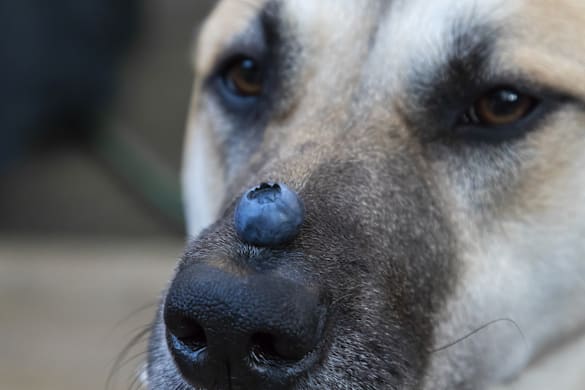
Berries can be a great snack for dogs. Can dogs eat blueberries? Check out Petco and find all the answers about feeding blueberries to your dog.
Yes, dogs can eat blueberries. However, before introducing any new food into your pet’s diet, consult your veterinarian to get the best advice about your pup’s specific nutritional needs. Blueberries can be a great snack for your dog to enjoy as they’re a good source of vitamins, minerals and antioxidants.
Health Benefits of Blueberries for Dogs
Blueberries are genuinely good for dogs — not just safe, but nutritionally worthwhile. When served in moderation and prepared correctly, these small berries deliver a meaningful nutritional punch for a very low calorie cost. https://sites.tufts.edu/petfoodology/
Key nutritional benefits include:
- Low in calories — easy to offer without disrupting your dog's daily caloric balance
- Rich in vitamins C and K — which can help support immune function and healthy cell activity https://www.merckvetmanual.com/management-and-nutrition/nutrition-small-animals/nutritional-requirements-of-small-animals
- High water content (approximately 85%) — making them a hydrating warm-weather snack
- Excellent source of antioxidants, including flavonoids — which may help support your dog's cells against oxidative stress https://sites.tufts.edu/petfoodology/
- Good source of dietary fiber — to help support healthy digestion
Because dogs are omnivores, they can derive real value from plant-based foods like blueberries as part of a balanced diet — though blueberries should always complement, never replace, a complete and balanced dog food. https://www.aafco.org/consumers/understanding-pet-food/
How to Feed Your Dog Blueberries Safely
Preparation
Always rinse fresh blueberries thoroughly under cool running water before serving. This removes surface residue and any debris. Fresh blueberries can be:
- Sprinkled over your dog's regular meal as a food topper
- Offered one at a time as a reward during training
- Frozen for a cool, enriching summer treat
Choking safety note: Blueberries are small and generally low-risk for most dogs, but for very small breeds or dogs that tend to gulp food quickly, consider halving the berries before serving. Always supervise your dog when introducing any new food. If you have concerns about your dog's swallowing or eating habits, check with your veterinarian. https://www.aspca.org/pet-care/animal-poison-control
How Many Blueberries Can Dogs Eat?
Portion size matters. Treats — including fruit — should make up no more than 10% of your dog's total daily calories. https://wsava.org/global-guidelines/global-nutrition-guidelines/ Use the general guidelines below as a starting point, and adjust based on your individual dog's size, weight and overall diet.
| Dog Size | Approximate Daily Serving |
|---|---|
| Small breeds (under 20 lbs) | ~10 blueberries |
| Medium breeds (20–55 lbs) | ~20–30 blueberries |
| Large breeds (55+ lbs) | Up to ~50 blueberries |
These are general guidelines, not hard limits. If your dog has a health condition, is managing weight, or is on a therapeutic diet, consult your veterinarian before adding new foods — even wholesome ones like blueberries.
Can Dogs Have Dried Blueberries?
Yes — dogs can have dried blueberries as an occasional snack, but with one important caveat: check the ingredient label carefully. Many commercially dried blueberries contain added sugars, sweeteners or preservatives that aren't appropriate for dogs. https://www.fda.gov/animal-veterinary/animal-foods-feeds/pet-food Choose plain, unsweetened dried blueberries only, and offer them in smaller quantities than fresh — drying concentrates the natural sugars, so a little goes a long way.
When you're looking for convenient, vet-formulated options, browse dog treats that feature blueberries as a named ingredient in a balanced formula.
» MORE: Learn about other fruits and vegetables dogs can and cannot eat, and explore our full range of dry dog food to keep every meal complete and balanced.
Frequently Asked Questions
Are blueberries toxic to dogs? No — blueberries are not toxic to dogs. The ASPCA does not list blueberries among foods that are harmful to dogs, making them one of the safer fruit options you can offer as an occasional treat. https://www.aspca.org/pet-care/animal-poison-control Always introduce any new food gradually and watch for signs of digestive upset.
Can puppies eat blueberries? Yes, puppies can eat blueberries in very small amounts. Because puppies have smaller bodies and more sensitive digestive systems, start with just one or two berries and monitor for loose stools or stomach upset. Treats — including fruit — should make up no more than 10% of a puppy's daily caloric intake, and your veterinarian is the best resource for guidance on your puppy's specific nutritional needs. https://www.merckvetmanual.com/management-and-nutrition/nutrition-small-animals/nutritional-requirements-of-small-animals
Can dogs eat frozen blueberries? Yes, frozen blueberries are a fine option — and many dogs enjoy them as a cool snack on warm days. Rinse them before freezing and serve them plain, with no added sugar or syrup. Note that frozen berries become slightly firmer, so for very small dogs or puppies, thaw them first to reduce any choking risk.
Can dogs have dried blueberries? Dried blueberries are acceptable as an occasional treat, but read the ingredient label carefully. Many commercial dried blueberries contain added sugars, preservatives or other additives that are not appropriate for dogs. Choose an unsweetened, additive-free variety and keep portions small, since drying concentrates the natural sugars found in the fruit. https://www.aafco.org/consumers/understanding-pet-food/
How many blueberries can a dog eat per day? Portion size depends on your dog's size. As a general guideline: small breeds do well with around 10 blueberries, medium-sized dogs can enjoy 20–30, and large breeds can have up to approximately 50. Regardless of size, treats should never exceed 10% of your dog's total daily calories. https://petnutritionalliance.org/ When in doubt, ask your veterinarian what serving size fits your dog's weight and overall diet.
Do blueberries provide real nutritional value for dogs, or are they just a tasty snack? Both. Blueberries supply vitamins C and K, dietary fiber and antioxidants — including flavonoids — that can help support immune function and overall wellness as part of a balanced diet. https://www.merckvetmanual.com/management-and-nutrition/nutrition-small-animals/nutritional-requirements-of-small-animals That said, dogs are omnivores whose core nutritional needs should be met by a complete and balanced dog food; blueberries are a wholesome supplement, not a dietary staple. https://wsava.org/global-guidelines/global-nutrition-guidelines/
This article was created with assistance from AI tools and reviewed for accuracy by Petco's content team.


FAQs About Feeding Your Dog Blueberries
Yes, dogs can eat blueberries safely. Blueberries contain antioxidants that can help prevent cell damage in dogs. They’re also full of fiber and phytochemicals and can be an excellent snack in place of traditional treats.
Some dog treats and foods contain dried blueberries. Dried blueberries, however, can have a higher sugar content than fresh blueberries, and some pre-packed dried blueberries contain corn syrup, which is not suitable for dogs. While dried blueberries can be acceptable for dogs to eat, fresh or frozen blueberries are the ideal option for your pup.
Many dogs can eat frozen blueberries as a snack or treat. Frozen blueberries can, however, be a choking hazard for small breed dogs. If you have a petite pup, stick to fresh blueberries.
Blueberry muffins tend to be high in sugar and carbohydrates and are not the best nutritional option for your pup. Some dogs may experience gastrointestinal upset, pancreatitis or diarrhea after eating blueberry muffins. Additionally, dogs eating foods like blueberry muffins may be consuming excess calories in their diet and habits like these could lead to obesity over time. The sugar in most blueberry muffins can contribute to dental cavities, gum disease or tooth decay.
Yes, small dogs can eat blueberries. Blueberries are a nutritious snack for both small and large dogs, providing vitamins, minerals and antioxidants. Plus, they are low in calories with fiber and vitamins C and K to help support the immune system. Don’t feed frozen blueberries to small breed dogs, however, as they can be a choking hazard.
As with all treats, moderation is key. For most small dog breeds, about 10 blueberries are an appropriate amount for a light snack. Large breeds can have more—up to about 50 per day—but keep in mind that treats should make up no more than 10% of your dog’s daily calories. If dogs munch on too many, the additional fiber may lead to digestive issues—especially for pups with sensitive stomachs.
If your dog has overconsumed blueberries, they may experience digestive upset. Many fruits—including blueberries—are high in fiber, and too much fiber in your dog’s diet may lead them to experience diarrhea, especially if they have a sensitive stomach.