


Two Easy Ways to Start Earning Rewards!
Become a member today! Members-only pricing and offers, personalized care notifications, Vital Care points back on every purchase and more!
 Become a credit card member today!
Earn 2X Pals Rewards points at Petco
when you use Petco Pay!APPLY NOWLearn More About Petco Pay Benefits
Shiba Inu
Updated on June 17th, 2025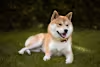

The Shiba Inu is a small, agile dog with a confident spirit and deep loyalty to their family. Known for their independence and expressive personality, they do best with consistent training and daily activity. With guidance, Shibas are devoted, entertaining companions.
Temperament
Bold, Loyal, Independent
AKC-Recognized Colors
Black & Tan, Cream, Red, Sesame
 WEIGHT
17 - 23 Pounds
 HEIGHT
13 - 16 Inches
 LIFE EXPECTANCY
13 - 16 Years
Maintenance Level
Low Maintenance
High Maintenance
Friendliness
Reserved
Extroverted
About Breed
This “internet-famous” breed is very popular in its home country of Japan, but it has a loyal following around the world. Small and agile, the Shiba Inu has a bold personality and lots of spirit. While they can be a bit reserved around strangers, they are very loyal to their family companions. With a storied history and a face that spawned a thousand memes, the Shiba Inu is a great breed if you are willing to put in the training time to temper an overactive prey drive and aggressiveness.
Origin: Japan
Other Names: Shiba, Doge, Japanese Shiba Inu, Little Brushwood Dog (translated)
Non-Sporting Group
Breeds in the AKC Non-Sporting Group are a varied collection in terms of size, coat, personality and overall appearance. Here are sturdy animals with as different personalities and appearances as the Chow Chow, Dalmatian, French Bulldog, and Keeshond. Some, like the Schipperke and Tibetan Spaniel are uncommon sights in the average neighborhood. Others, however, like the Poodle and Lhasa Apso, have quite a large following.
Breed Appearance
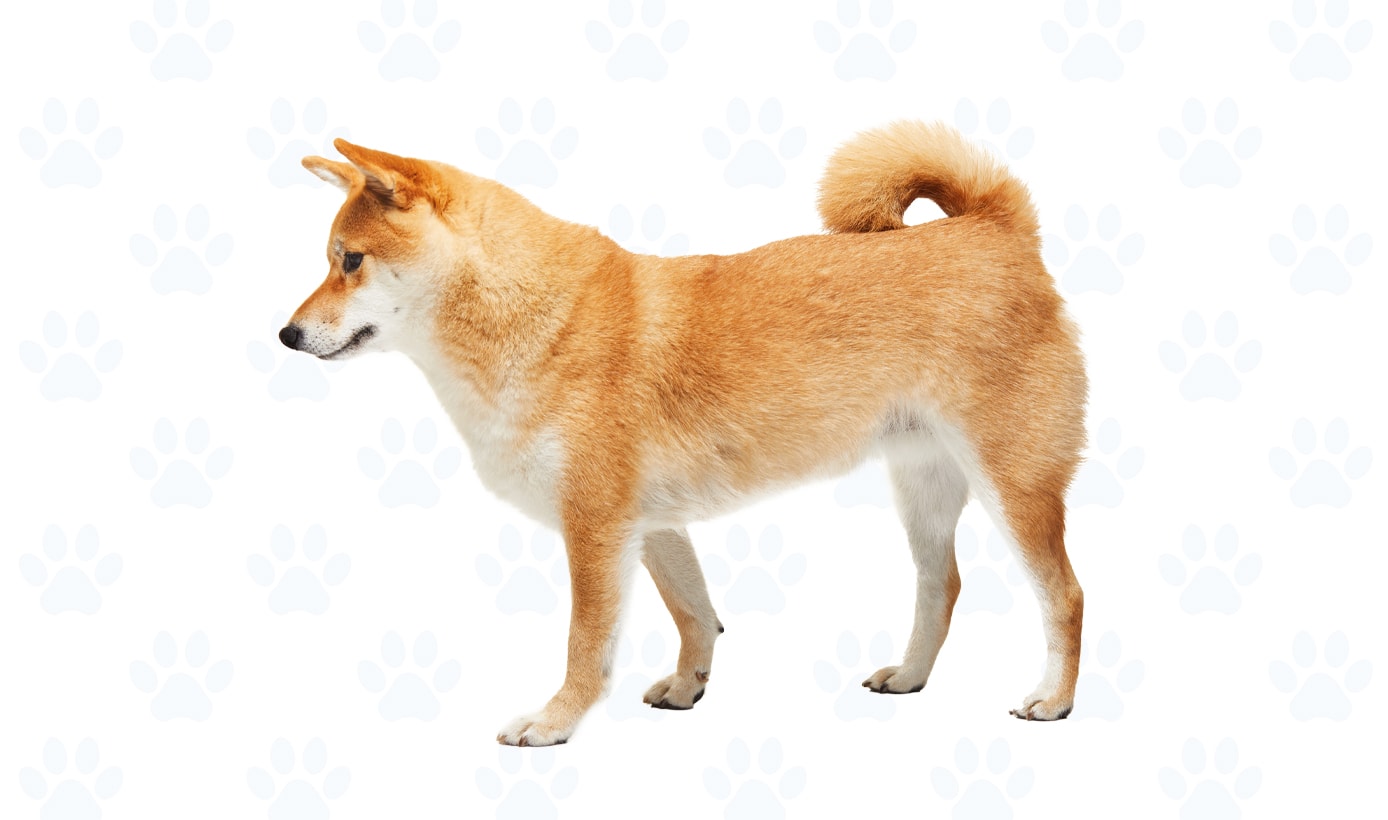
The Shiba Inu has a muscular frame with a tight, compact build. They are extremely agile and quick on their feet. Some people say they are “catlike” in their movements. They have prick ears and small eyes set on their expressive faces. These Spitz dogs are often compared to foxes or stuffed animals in their appearance.
The American Kennel Club (AKC) recognizes four coat colors in competition: black & tan, cream, red, and sesame. The standard markings are white fur on the muzzle, cheeks, inside ears, and under the jaw. You’ll often see Shibas with white markings on their throat, chest, and tail, too. In Japanese, these markings are called the “urajiro”.
Use the arrow keys to switch between coat color examples.
Size & Weight
An adult male Shiba Inu can be described as a medium-sized dog. They typically stand about 13.5-16.5 inches tall at the shoulder. A well-fed Shiba Inu can weigh well over 25 pounds, but the healthy weight range is typically 17 to 23 pounds. Females are a bit smaller and lighter.
Full Grown
Female
16 in. / 17 lbs.
Male
17 in. / 23 lbs.
Height is measured up to the shoulders.
Characteristics
- Size & Coat
- Lifestyle
- Training & Behavior
How to Care for a Shiba Inu
Caring for a Shiba Inu means supporting their independent spirit while providing structure, activity, and consistency. With regular exercise, thoughtful training, balanced nutrition, and routine grooming and health care, these confident dogs can thrive as happy, well-adjusted companions.
Cost of Owning
Savings & Rewards
Unlock exclusive rewards with Petco Perks. Plus, members get 35% off their first Autoship order and 5% off all future orders.

Enjoy exclusive rewards on expert rated and pet parent approved products, like member prices, extra points and special offers designed to help you save on what your pet needs.

Get your pet’s essentials delivered on your schedule so you never run out and save up to 35% on your first order, then 5% on every order after that.
Your love story starts here.
Find adoptable pets near you with a simple search.
Fun Facts
The Shiba ascended into internet history as one of the earliest picture-based “modern memes” from online message boards. The “doge meme” features a photographed Shiba Inu with nonsensical inner-monologue captions such as “wow”, “concern”, “much noble,”and “so respect.”
Shiba Inus are the most popular breed in Japan by a significant margin.
The Japanese have three words to describe the core essence of the Shiba Inu. “Kan-I”means alert and brave. “Ryosei” means loyal and pleasant. “Soboku” means effortless beauty. That sums them up pretty well!
There are many “internet famous” Shibas in the world. Mari the Shiba has her own YouTube channel. Bodhi has a loyal following as “the Menswear Dog.” Japanese internet posters produce thousands of Shiba pictures and videos every year, especially around the time of Japanese National Dog Day.
History
The Shiba Inu hails from the island of Japan (along with the Akita and many other distinct breeds). The name comes from “brushwood” and “dog” in Japanese. Genetic researchers refer to the breed as a “basal breed” with deep genetic variation from other modern dogs. Shibas found work in ancient Japan as hunting dogs for small game such as fish, birds, and rabbits. During the Second World War, the breed faced extinction from both wartime food shortages and a virulent distemper (hardpad disease) outbreak.
The Shiba came to America in the postwar period courtesy of American servicemen’s families in 1954. It wasn’t until 20 years later that American breeders recorded the first Shiba Inu litter in 1979. The AKC recognized the Shiba Inu in 1992, and the breed moved from the Miscellaneous Group to the Non-sporting Group a year later. It remains popular throughout the world with loyal fans throughout Japan, Europe, and North America.