


Two Easy Ways to Start Earning Rewards!
Become a member today! Members-only pricing and offers, personalized care notifications, Vital Care points back on every purchase and more!
 Become a credit card member today!
Earn 2X Pals Rewards points at Petco
when you use Petco Pay!APPLY NOWLearn More About Petco Pay Benefits
How to Care for a Pet Scorpion: Habitat, Food, & Health Tips
Updated on September 15th, 2023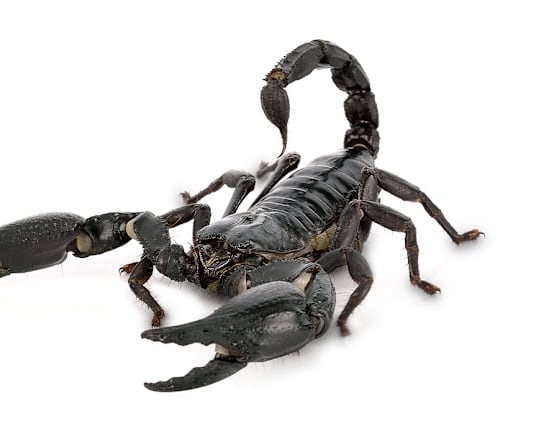
pandinus
This care sheet covers a variety of scorpion species, including:
- Emperor
- Dictator
- Cave Clawed
Scorpions can make fascinating pets and consist of both forest and desert species. Emperor and dictator scorpions originate from Africa and are a forest variety. They are fairly docile and typically do not display aggressive behaviors unless they feel threatened. When a blacklight is used, scorpions fluoresce, giving off a turquoise glow.
Learn how to take care of your pet Scorpion, recommended diet and housing setup. Find the right food, supplies and equipment at your neighborhood Petco.
Typical scorpion appearance & behavior
- Scorpions have eight legs, two large, grasping pedipalps (pincers), and a segmented tail that curves over their back with a telson (stinger) at the tip
- All scorpions are venomous and can sting or pinch. Depending on the species, the sting can be mild to severe. Although most people are not affected by Emperor scorpions, some people may be allergic. If you are allergic to bee stings, it is recommended that you not handle scorpions
- Most scorpions are nocturnal (active at night)
- Scorpions typically molt (shed) their exoskeleton twice a year
- Scorpions may go into hiding for a few days and refuse food before they molt. It takes about a week for their new exoskeleton to harden once they molt, and they should not be fed during this time
- Female scorpions give live birth and carry their young on their back until their first molt
Characteristics
| Care Difficulty | Beginner |
|---|---|
| Average Life Span | Up to 5 to 8 years with proper care |
| Average Adult Size | 6 to 8 inches long |
| Diet | Insectivore |
| Minimum Habitat Size | 10-gallon |
Habitat
Habitat size
An appropriately sized habitat that can accommodate normal behaviors and exercise is needed to house your scorpion. A secure lid is required, as scorpions are able to squeeze out of small spaces. With scorpions, bigger is not always better, as too large of a habitat can make it difficult for them to catch their prey.
Building your habitat
- Décor - Provide climbing and hiding areas using nontoxic plants, branches or logs. Keep hiding areas away from the heat source
- Substrate - Mulch-type substrate such as coconut fiber bedding, reptile bark or dampened sphagnum moss approximately 2 inches deep allows your scorpion to burrow and helps maintain humidity
- Lighting - Photoperiod lighting is required for 8 to 12 hours a day. Don’t leave white light on at all times; use a low-wattage nocturnal or infrared light to view scorpion at night
- Temperature – Maintain a temperature gradient of 90°F for the warm end and 78°F for the cool end. An under-tank heater or low-wattage incandescent bulb on the warm end is recommended
- Humidity - Maintain 60 to 80% humidity by misting as needed every day
Cleaning your habitat
Thoroughly clean and disinfect the habitat at least once a month or more often if needed:
- Place scorpion in a secure habitat using gloves and forceps to gently move the scorpion
- Scrub the tank and furnishings with a reptile habitat cleaner or 3% bleach solution
- Rinse thoroughly with water, removing all traces of habitat cleaner or bleach smell
- Dry the tank and furnishings completely and add clean substrate before placing the scorpion back into their habitat
What Do Scorpions Eat
A well-balanced scorpion diet consists of:
- A variety of insects, including gut-loaded (recently fed) crickets, Dubia roaches, mealworms, superworms, hornworms and waxworms
Things to remember when feeding your scorpion:
- Feed juveniles daily, adults every other day
- Fresh, clean, chlorine-free water should be available at all times. Use a shallow water bowl to prevent drowning
- Since they are nocturnal, feeding should occur at night
- Dust insects with calcium supplement daily and once or twice a week with a vitamin and mineral supplement
- Remove uneaten crickets, as they may attack a resting scorpion
- Do not feed a scorpion while they are molting—wait until their exoskeleton hardens
Care
- Mist habitat daily to maintain high humidity and prevent dehydration. Change water daily
- Scorpions do not like to be handled. It is especially important to not handle them until their exoskeleton has fully hardened after a molt
- Remove the scorpion’s exoskeleton from the habitat after they molt
Where to buy
Scorpions are available for purchase at your local Petco location. Please call ahead to check availability.
Supplies
- Appropriately sized habitat
- Live food
- Substrate
- Moss
- Water dish
- Hideaway place
- Climbing décor
- Plants
- Under-tank heater
- Calcium & vitamin supplement
- Cricket keeper
- Cricket food
- Cricket quencher
- Thermometer
- Incandescent light
- Light fixture
- Humidity gauge
Tank mates
While similar-sized scorpions can sometimes be housed together if the habitat is large enough, caution should be taken as they may fight. This is especially likely among males. Therefore, it is recommended that they be housed individually. Do not house different invertebrate species together.
Health
Signs of a healthy scorpion
- Eats regularly
- Body and tail are rounded and full
- Active and alert
- Healthy, hard exoskeleton (when not molting)
Red flags (If you notice any of these signs, contact your veterinarian.)
- Swollen limbs
- Lethargy
- Bumps, sores or abrasions
- Weight loss
- Abnormal feces
- Shriveled appearance
- Dull exoskeleton
Common scorpion health issues
| Health Issue | Symptoms or Causes | Suggested Action |
|---|---|---|
| Dehydration | Lethargy, poor shedding, shriveled appearance. | Consult your veterinarian. Ensure proper humidity and that clean water is available. |
FAQs
- Can scorpions swim? Scorpions are not known to be great swimmers, however, they can move in water if they happen to find themselves in water unexpectedly.
- Can a scorpion kill you? All scorpions carry some venom, however, those who are sold as pets tend to be less venomous compared to other species found in nature. Some people can be allergic to their sting, so use caution when handling.
- How many legs does a scorpion have? Scorpions have eight legs and two large, grasping pincers.
- Where do scorpions live in the wild? Scorpions can be found in nature; some are desert dwelling species while others are more tropical. Scorpions are typically found living under rocks, logs and vegetation.
- Is a scorpion a bug? The scorpion is an invertebrate and is not considered an insect.
- How many eyes does a scorpion have? Scorpions have between six and 12 eyes. They have two larger eyes at the center of their carapace and have smaller eyes on each side. Scorpions do not have good eyesight, despite having several eyes.
Notes & sources
Ask a Pet Care Center employee about Petco's selection of products available for the care and happiness of your new pet. All products carry a 100% money-back guarantee.
Because all invertebrates are potential carriers of infectious diseases, such as salmonella, always wash your hands before and after handling your invertebrate or habitat contents to help prevent the potential spread of disease.
Pregnant women, children under the age of 5, senior citizens and people with weakened immune systems should contact their physician before purchasing or caring for invertebrates and should consider not having an invertebrate as a pet.
Go to cdc.gov/healthypets for more information about invertebrates and disease.
The information on this Care Sheet is not a substitute for veterinary care. If you need additional information, please contact your veterinarian as appropriate.


