


Two Easy Ways to Start Earning Rewards!
Become a member today! Members-only pricing and offers, personalized care notifications, Vital Care points back on every purchase and more!
 Become a credit card member today!
Earn 2X Pals Rewards points at Petco
when you use Petco Pay!APPLY NOWLearn More About Petco Pay Benefits
Ultimate Madagascar Hissing Cockroach Care: Habitat, Food, Health
Updated on September 23rd, 2022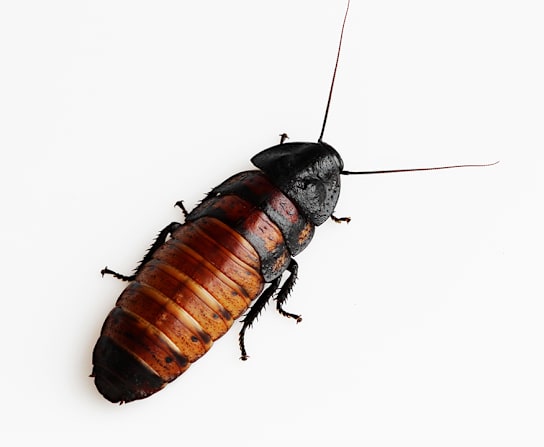
This species of large, wingless cockroaches gets its name from the unusual hissing sounds they make by forcing air through respiratory openings in their abdomen when they are disturbed, fighting or mating. The easy-to-care-for pets are great climbers, even on smooth surfaces, and are interesting to watch.
Learn how to take care of Hissing Cockroaches, recommended diet and Habitat. Find the right food, supplies and equipment at your neighborhood Petco.
Gromphadorhina portentosa
Typical appearance and behavior
- Will reach adult size in 7 months, under ideal conditions
- Male Madagascar hissing cockroaches have large horns behind their heads, while females have very small horns
- Madagascar hissing cockroaches are nocturnal (active at night)
- Handle cockroaches gently; while they don't bite, they do have sharp spines on their legs
- Juveniles molt several times before reaching adulthood; once grown, they do not molt
Characteristics
| Care Difficulty | Beginner |
|---|---|
| Average Life Span | Up to 5 years with proper care |
| Average Adult Size | Up to 3 inches long |
| Diet | Herbivore |
| Minimum Habitat Size | 5+ gallons with a secure lid |
Habitat
Habitat size
A minimum 5-gallon habitat with a secure lid is recommended for Madagascar hissing cockroaches to accommodate normal behaviors and exercise.
Building your habitat
- Habitat - Provide hiding areas using nontoxic plants, branches, logs or cork bark; maintain high humidity (60 to 70%) by misting daily
- Substrate - Mulch-type commercial material such as coconut fiber bedding, dampened sphagnum moss and reptile bark
- Temperature - Temperature should be maintained between 75 and 85°F using an under-tank heater
- Lighting - Cockroaches are nocturnal and have no special lighting needs; don’t expose them to direct sunlight for long periods of time; to view cockroaches at night, use a low-wattage nocturnal or infrared light
- Water - Use a cricket quencher gel or shallow water bowl with large stones to prevent drowning
Cleaning your habitat
- Change water daily. Thoroughly clean and disinfect the habitat with a reptile-safe habitat cleaner or 3% bleach solution and replace the substrate every two weeks
What Do Cockroachs Eat
A well-balanced hissing cockroach diet consists of:
- Romaine lettuce, red leaf lettuce, kale, collard greens, squash, apples, carrots and occasional overripe fruits in addition to a commercial cockroach diet
Things to remember when feeding
- Fresh, clean, chlorine-free water or quencher gel should be available at all times
- Feed daily and remove any uneaten foods within 24 hours
Care
Cockroaches have a waxy coating; always wash your hands before and after touching your cockroaches, and avoid getting the coating into cuts and scratches
Where to buy
Hissing cockroaches are available for purchase at Petco online and in store. If visiting your local location, please call ahead to check availability.
Supplies
- Appropriately sized habitat
- Substrate
- Moss
- Food & water dishes
- Hideaway place
- Climbing décor
- Plants
- Under-tank heater
Habitat mates
- House adult cockroaches together, but do not house different cockroach species together
Health
Signs of a healthy hissing cockroach
- Eats regularly
- Body is rounded and full
- Active and alert
- Healthy exoskeleton
Red flags (If you notice any of these signs, contact your veterinarian.)
- Swollen limbs
- Lethargic
- Bumps, sores or abrasions
- Weight loss
- Abnormal feces
- Discharge in mouth or eyes
- Dull exoskeleton
Common health issues
| Health Issue | Symptoms or Causes | Suggested Action |
|---|---|---|
| Health Issue Dehydration | Symptoms or Causes Slow-moving, shriveled appearance. | Suggested Action Consult your veterinarian and mist the habitat more frequently. |
| Health Issue Falls, injuries | Symptoms or Causes Bleeding. | Suggested Action Immediately consult your veterinarian. |
FAQs
- Can you buy a hissing cockroach? Yes, giant islander cockroaches can be purchased at most local Petco locations, however, please call to verify they have them in stock.
- How can you tell if a hissing cockroach is male or female? Male cockroaches have thicker, hairier antennae and have pronounced horns on the pronotum (plate-like structure that covers all or part of the thorax).
- How loud is a hissing cockroach? The decibel level of a hissing cockroach can vary from cockroach to cockroach, but it is audible by the human ear, reaching up to 90 decibels.
- What do you feed a hissing cockroach? Cockroaches benefit from a variety of fresh vegetables and fruits such as dark green leafy lettuce, squash, bananas, apples, carrots, etc., in addition to a commercial cockroach diet.
- Why does a hissing ockroach hiss? Hissing cockroaches typically hiss for three different reasons and they have a different sound for each. They hiss when they are disturbed and use another hiss to attract females. Males use an aggressive hiss to establish dominance over one another.
- How do you pick up a hissing cockroach? It is always best to gently allow the cockroach to walk up into your hand. Hold them low to the ground because a short fall can lead to significant injury. Always wash your hands with soap and water before and after handling cockroaches.
- Do hissing cockroaches bite? Hissing cockroaches do not bite humans or any other animal. When they “clash” with another cockroach, they ram one another with their horns and hiss to establish dominance.
Notes and resources
Ask a Pet Care Center associate about Petco's selection of products available for the care and happiness of your new pet. All products carry a 100% money-back guarantee.
Because all invertebrates are potential carriers of infectious diseases, such as salmonella, always wash your hands before and after handling your invertebrate or habitat contents to help prevent the potential spread of disease.
Pregnant women, children under the age of 5, senior citizens and people with weakened immune systems should contact their physician before purchasing or caring for invertebrates and should consider not having an invertebrate as a pet.
Go to cdc.gov/healthypets for more information about invertebrates and disease.
This care sheet can cover the care needs of other species.
The information on this Care Sheet is not a substitute for veterinary care. If you need additional information, please contact your veterinarian as appropriate.


