


Two Easy Ways to Start Earning Rewards!
Become a member today! Members-only pricing and offers, personalized care notifications, Vital Care points back on every purchase and more!
 Become a credit card member today!
Earn 2X Pals Rewards points at Petco
when you use Petco Pay!APPLY NOWLearn More About Petco Pay Benefits
Bird Behavior Changes: What They Mean & What to Do
Published on March 14th, 2022
Updated on July 16th, 2026

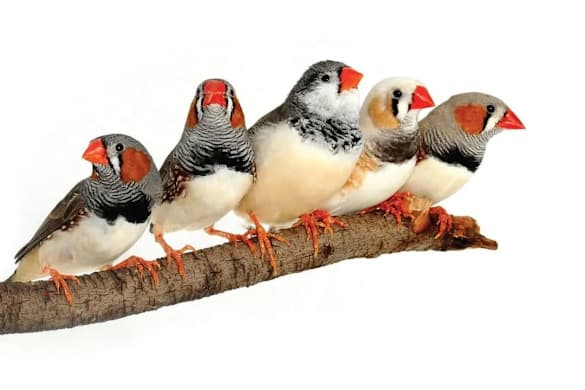
Read more about changes in your pet birds' behavior like biting, feather plucking and more.
Birds are intelligent pets with a lot of personality, but sometimes you may notice a change in behavior that puzzles you. There is no such thing as a bad bird, or bad bird behavior. Instead, birds respond to changes in their environment in ways that make sense to them—even though their actions may not make sense to you.
If your bird exhibits a change in behavior that you find undesirable, it’s your job as a pet parent to determine the cause. It may take some detective work or a consultation with an expert, but if you observe your pet and learn about his normal behavior, you should be able to help take the mystery out of the behavioral changes and work with him to get results that are more desirable to you.
Boredom and neglect
Boredom and neglect are two of the most common causes of behavior changes in birds. These behaviors can sometimes be manifested as anger or frustration—which can result in biting, screaming or feather plucking. While it’s important for your bird to be able to entertain himself, it’s still critical that you provide him with regular interaction and playtime. Otherwise, boredom might arise out of loneliness or neglect.
The amount of one-on-one time you should spend with your bird depends on the species and whether or not he is sharing his habitat with other birds of his species. Some birds enjoy the company of other birds, while others that are kept alone may need more quality time with you. No matter what type of bird you have, you should communicate as much as possible with him and ensure that he is able to observe you and your family so he feels like he’s a part of your flock.
Birds need a variety of toys to keep them entertained, stimulated, to burn energy and to stay fit. Many pet parents find that regularly rotating toys allows them to continually provide their bird with exciting things to do. Choose from a variety of wood blocks, ladders, ropes, barbells and hanging toys made especially for your bird’s size and species.
Interactive and foraging toys can provide hours of fun as well. Many pet birds enjoy playing simple games with you, like peek-a-boo. Games can encourage trust between you and your pet and provide a fun way to spend quality time together.
When your bird is home alone, you can play soft music or leave the TV on to provide him with comforting noises—as well as interesting things to watch.
Biting
Birds use their beaks to eat and pick up items, as well as to balance and get around. It’s important to distinguish between your bird using his beak normally as a tool and using his beak to bite (for example, out of fear). Biting is simply a behavior that elicits the response your bird is trying to achieve. The key to correcting unwanted biting behavior is to determine the cause. To break a persistent biting habit, don’t reach into your bird’s habitat if he appears distressed or is flashing or pinning his eyes (rapidly dilating and contracting his pupils).
If you do get bit, do not punish your bird. Instead, try lightly shaking or disrupting whatever your bird is standing on, be it your arm or other perch, but make sure he doesn’t fall. The slight jiggling will cause your bird to momentarily forget about biting and focus on regaining his balance. Eventually, he’ll connect biting with this unpleasant sensation and stop.
Depending on the species, you can also try telling your bird “no” in a normal speaking voice, but never yell at your bird or use an angry tone. If you can’t determine the cause of your bird’s biting, or if you think his behavior is out of the ordinary for his personality, consult with your veterinarian to rule out any possible medical issues. You may also need to consult with a bird behavior specialist.
Screaming
Most birds are crepuscular, meaning that they vocalize during the morning and evening hours when the sun is rising and setting. This is a natural behavior and should not be discouraged. Also, a certain amount of screaming is normal for some species of bird. Excessive screaming is a behavior you’ll want to address. If fear isn’t the cause, your bird may be screaming because it causes a reaction from you. In other words, you may have inadvertently trained your bird to scream.
If your bird is screaming because he wants attention, don’t rush into the room and tell him to stop. Instead, try to ignore him. When he eventually stops, then go to him and praise him. This way, you are rewarding his patience and quietness—not rewarding his screaming by giving him attention. You can also try covering your bird’s habitat with a towel or blanket until he stops screaming, and reward him once he stops by removing the towel or blanket.
Meeting your bird’s needs
Birds may also display certain behaviors if their basic needs aren’t satisfied—so if your bird is hungry, thirsty or tired, he may respond in a way you don’t understand. He is only behaving this way to get a desired effect—to get your attention for example. Maintain a regular schedule for your pet and make sure that he has adequate amounts of nutritious food, continuous access to fresh water and plenty of time to rest and relax. If you have a busy household that doesn’t allow your bird to get an adequate amount of sleep, he may show a change in behavior.
It’s also possible for your bird to become bored with his variety of food, so make sure you supplement his diet regularly with bird-safe fruits and vegetables. They can be a healthy way to help spice up his life. Treats should never exceed 10 percent of your bird’s total diet.
Fear and stress from a variety of factors can also precipitate a change in behavior. Sometimes the cure is as simple as moving your bird’s habitat to a new location that makes him feel more secure. Household noises, other pets in the house, new objects in the room—even a new brightly colored piece of apparel on one of your family members—can cause your bird to become fearful. Look for and rule out anything that may be disturbing his serenity.
Birds need positive reinforcement just like any other pet. Reward your bird with praise whenever he exhibits positive behavior. Eventually he will begin to understand what is expected and behave accordingly. Clicker training—in conjunction with giving a treat—is another way to use positive reinforcement to teach positive behaviors.
Ask the experts
A board-certified avian veterinarian or a bird behavior specialist can help you identify causes and find solutions for changes in your pet’s behavior. Don’t expect to see results overnight. Be patient and consistent. Your efforts will ensure your bird is a happy member of your family.
Frequently Asked Questions
Why is my bird suddenly screaming much more than usual? A sudden spike in screaming is most often a bid for attention, a response to fear, or a sign that a basic need — food, water, rest — isn't being met. Most birds are crepuscular and will naturally vocalize at dawn and dusk; screaming outside those windows warrants a closer look at your bird's environment and daily routine. If excessive vocalization continues despite addressing environmental triggers, consult your veterinarian to rule out pain or illness.
What causes feather plucking in pet birds, and when should I be concerned? Feather plucking can stem from boredom, loneliness, inadequate foraging opportunities, or underlying medical conditions such as skin irritation, infection, or nutritional deficiency. Because the causes overlap significantly, feather destruction should always prompt a visit to a board-certified avian veterinarian — do not assume it is purely behavioral. Merck Veterinary Manual
My bird bit me out of nowhere. Did I do something wrong? Biting is rarely random. Common triggers include fear, overstimulation, hormonal changes, or a subtle warning signal — such as eye pinning (rapid pupil dilation and contraction) — that was missed. Review what happened immediately before the bite, avoid reaching into your bird's habitat when he appears distressed, and never punish him after the fact. If biting is frequent or escalating, your veterinarian can help rule out a medical cause.
How much social interaction does a pet bird actually need each day? The right amount varies by species and whether your bird shares his habitat with a companion bird, but no pet bird should go without direct interaction and observation of his family flock each day. Birds kept alone generally need more dedicated one-on-one time. Rotating toys, foraging activities and simple games like peek-a-boo can supplement — but not replace — genuine daily engagement. Merck Veterinary Manual
Can household stress or changes at home really change my bird's behavior? Yes. Birds are highly sensitive to environmental shifts: new pets, unfamiliar objects, loud appliances, rearranged furniture, or even a brightly colored piece of clothing can trigger fear-based behaviors. Start by identifying and removing or gradually introducing the stressor, and consider relocating your bird's habitat to a quieter, more secure spot if disruptions are frequent.
Are any common household items or foods toxic to birds? Several everyday items pose serious risks to birds, including non-stick cookware fumes (PTFE/Teflon), scented candles, aerosol sprays, and foods such as avocado, chocolate, onion and caffeine. If you suspect your bird has been exposed to a toxin, contact your veterinarian or the ASPCA Animal Poison Control Center immediately. the ASPCA
Common Bird Behavior Changes: Causes & What to Do
Use this quick-reference table to help identify what your bird's behavior may be communicating. Always consult your veterinarian if a behavior change is sudden, severe or accompanied by physical symptoms.
| Behavior Change | Likely Cause(s) | What to Try First | When to Call Your Vet |
|---|---|---|---|
| Screaming (excessive) | Boredom, attention-seeking, fear, or learned response | Ignore the screaming; reward quiet with calm praise; cover the habitat briefly with a light cloth | If screaming is sudden, new or paired with labored breathing or nasal discharge |
| Biting | Fear, distress, hormonal changes, pain, or overstimulation | Identify the trigger; avoid reaching in when he appears agitated or is pinning his eyes; use a gentle perch-jiggle to redirect | If biting is sudden and out of character, or if you notice swelling or injury on the bird |
| Feather plucking / destructive preening | Stress, boredom, skin irritation, nutritional deficiency or underlying illness | Enrich the habitat with foraging toys; review diet for variety; reduce household stressors | Promptly — feather destructive behavior often has a medical component that requires diagnosis |
| Decreased vocalization / unusual quietness | Illness, respiratory infection, stress or environmental change | Check for new stressors (new pet, moved habitat, temperature change); observe for 24 hours | If quietness persists beyond 24 hours or is paired with fluffed feathers, lethargy or changes in droppings Merck Veterinary Manual |
| Aggression toward people or other birds | Hormonal (breeding season), fear, territorial behavior, pain | Give the bird more space; avoid forcing interaction; review whether the habitat is positioned in a high-traffic area | If aggression is sudden and uncharacteristic, or if you suspect injury or pain is the trigger |
| Fluffed feathers / sitting at the bottom of the habitat | Illness, cold, injury or severe stress | Gently warm the environment; minimize handling; observe droppings closely | Immediately — this is one of the clearest signs a bird is unwell and should not be waited out |
| Repetitive / stereotypic behaviors (pacing, head-bobbing loops) | Boredom, insufficient mental stimulation, or inadequate habitat size | Rotate toys frequently; increase supervised out-of-habitat time; add foraging opportunities | If behavior is compulsive and does not respond to enrichment changes Merck Veterinary Manual |
| Regurgitating toward a person or toy | Bonding behavior (normal), or nausea/illness (abnormal) | Distinguish: bonding regurgitation is deliberate and the bird appears well; illness regurgitation is uncontrolled | If regurgitation appears involuntary, is frequent or is paired with weight loss or lethargy |
| Biting at or over-grooming one body area | Skin irritation, mites, bacterial infection or nutritional gap | Inspect feathers and skin gently for visible parasites or lesions; review diet | Promptly — localized self-trauma warrants a physical exam and possible skin or feather testing the ASPCA |
| Refusing food / sudden change in appetite | Stress, boredom with diet, illness or environmental disruption | Offer a variety of bird-safe fresh vegetables and fruits alongside his regular food; check that food has not spoiled | If appetite loss continues beyond 24–48 hours — birds have fast metabolisms and can decline quickly Merck Veterinary Manual |
A note on patterns: A single behavior in isolation may be minor. A cluster of changes — for example, quietness plus fluffed feathers plus reduced appetite — is a stronger signal that something medical may be going on. When in doubt, a call to your avian veterinarian is always the right move.
Frequently Asked Questions
Why did my bird suddenly start screaming more than usual? Sudden increases in screaming are most often linked to boredom, a change in the household environment, fear of a new object or pet, or an unmet need such as hunger or fatigue. Because some birds are naturally crepuscular — vocalizing at dawn and dusk — a spike in screaming at those times may be normal. If the screaming is new, persistent throughout the day and paired with any physical changes, contact your avian veterinarian to rule out a medical cause.
Is feather plucking always a behavioral problem? Not always. While stress and boredom are common contributors, feather destructive behavior frequently has an underlying medical cause — including skin infections, parasites, nutritional deficiencies or internal illness. Because it can be difficult to distinguish behavioral from medical causes without an examination, feather plucking should be evaluated by a veterinarian rather than addressed with enrichment alone.
How do I know if my bird's behavior change is an emergency? Seek veterinary attention promptly if your bird is sitting on the bottom of his habitat, has fluffed feathers combined with lethargy, is breathing with visible tail-bobbing or an open beak, has stopped eating for more than 24–48 hours, or has experienced a sudden and dramatic personality shift. Birds instinctively mask illness, so visible signs often mean a condition has already progressed. Merck Veterinary Manual
Can my bird's diet affect his behavior? Yes. A bird who is bored with his food, or whose diet lacks adequate variety and nutrition, may become irritable, lethargic or more prone to feather plucking. Supplementing a nutritionally complete base diet with bird-safe fruits and vegetables can help support both physical wellbeing and mental engagement. Keep treats at or below 10% of his total daily diet.
What household things can stress a bird and trigger behavior changes? Common stressors include loud or unpredictable noises, other pets in the home, a habitat placed in a drafty or high-traffic location, new objects or furniture in the room, changes in the family's routine and even brightly colored or unfamiliar clothing on a family member. Systematically ruling out environmental triggers is a good first step before assuming a behavior is purely attention-seeking. Merck Veterinary Manual
When should I see an avian veterinarian versus a bird behavior specialist? Start with your avian veterinarian whenever a behavior change is sudden, unexplained or accompanied by any physical symptoms — medical causes must be ruled out first. Once your bird has a clean bill of health, a certified bird behavior specialist can help you work through learned behaviors such as persistent screaming or biting that have become habitual. The two approaches often work best together. the AVMA
This article was created with assistance from AI tools and reviewed for accuracy by Petco's content team.


