


Two Easy Ways to Start Earning Rewards!
Become a member today! Members-only pricing and offers, personalized care notifications, Vital Care points back on every purchase and more!
 Become a credit card member today!
Earn 2X Pals Rewards points at Petco
when you use Petco Pay!APPLY NOWLearn More About Petco Pay Benefits
Bird Food & Nutrition Guide for Pet Parents
Published on March 21st, 2022
Updated on July 16th, 2026

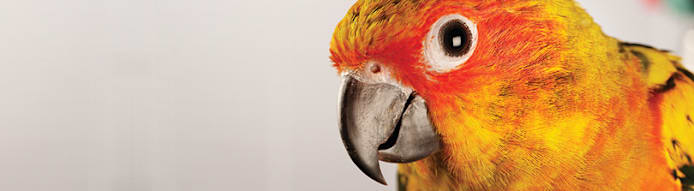
Learn some quick tips for getting your fussy bird to eat full and varied diet that could include birdseed, fruits and vegetables.
Feeding Your Bird Well: Birdseed, Pellets & a Balanced Diet
A nutritious bird diet isn't just about filling the food dish — it's about giving your feathered companion the right mix of foods in the right proportions every day. Here's what that looks like in practice, and how to make even the pickiest bird a more adventurous eater.
The Right Diet Ratio: Pellets First, Fresh Foods Second, Seeds as a Treat
A well-balanced bird diet should be made up of 60–70% packaged food (primarily pelleted diets) and 30–40% fresh vegetables and fruits, with seeds offered only in small amounts as an occasional supplement — not as a dietary staple.
That ratio matters because each food group plays a distinct role:
| Food Group | Recommended Share | Primary Role |
|---|---|---|
| Pelleted food | 60–70% | Complete, balanced nutrition |
| Fresh vegetables & fruits | 30–40% | Vitamins, hydration, enrichment |
| Seeds (cereal & oil types) | Small amounts only | Palatability, variety, treats |
When you shop for bird food, always search by your bird's species. Nutritional needs vary significantly between a budgie, a cockatiel and a large parrot, and choosing the wrong formula or pellet size can mean your bird isn't getting what it needs.
Pelleted Diets: Why They're the Foundation
Nutritionally balanced pelleted diets are the cornerstone of a modern bird diet for good reason. Unlike a seed-only bowl, pellets are formulated to deliver a complete nutritional profile — including the vitamins A, D and B12, calcium and protein that seeds consistently lack . Pellets also produce far less mess, since there are no seed hulls scattered across the bottom of your bird's home or the surrounding floor.
You'll find pelleted diets in a range of styles — some are colorful and fruit-flavored, others are more understated. Either can work well; what matters most is choosing the correct formula and pellet size for your specific bird. Some birds prefer to soften their pellets by soaking them in water, so if yours does this, be sure to refresh the water frequently to prevent bacterial growth .
Fresh Fruits & Vegetables: The 30–40% That Makes a Real Difference
Fresh produce rounds out your bird's diet with natural vitamins, minerals and enrichment that packaged food alone can't fully replicate. Always serve fruits and vegetables in a separate dish from pellets or seeds, and remove any uneaten fresh food within a few hours — produce spoils quickly at room temperature and can cause illness if left out .
Safe, nutritious options to offer your bird:
- Dark leafy greens: spinach, kale
- Carrots
- Raw broccoli and broccoli florets
- Sprouted peas
- Sweet potatoes
- Celery
- Corn
- Orange and apple slices
- Strawberries
- Apricots (remove the pit — pits are toxic)
- Mangoes
- Bananas
- Cantaloupe
- Grapes
- Papayas
- Pears
- Pineapple bits
Learning which fruits and vegetables your individual bird gravitates toward is one of the most rewarding parts of feeding time — and it gets easier the more variety you introduce early on.
Seeds: Understand What You're Offering
Seeds are palatable, highly digestible, convenient and inexpensive — which is exactly why birds love them and why it's so easy to over-rely on them. The problem is nutritional: seeds are significantly deficient in vitamins A, D and B12, calcium and protein, making them a poor everyday meal and a much better occasional treat .
There are two basic categories of seeds:
| Seed Type | Examples | Nutritional Profile |
|---|---|---|
| Cereal seeds | Millets, canary seed, de-hulled oats | Low in fat, high in carbohydrates |
| Oil seeds | Sunflower, peanuts, hemp, pine nuts | High in fat and carbohydrates |
One more practical note: seeds lose their nutritional value with age. Buy only in small quantities and use them while they're fresh. Your best option is a specially prepared birdseed mixture formulated for your bird's species — these tend to be more palatable and may include added nutritional value compared to single-ingredient seed bags.
Foods That Are Toxic to Birds — Never Offer These
Some common household foods are dangerous — and in some cases fatal — to birds. Keep all of the following away from your feathered companion at all times the ASPCA:
- Chocolate
- Alcohol
- Raw meats
- Avocado
- Rhubarb
- Caffeine (coffee, tea, energy drinks)
If you suspect your bird has ingested any of these, contact your veterinarian or the ASPCA Animal Poison Control Center immediately the ASPCA.
Preventing & Reforming the "Seed Junkie"
If a bird is offered seeds exclusively from the start — or seeds make up the bulk of every meal — there's a real risk of that bird becoming a malnourished "seed junkie": a bird that refuses anything other than seeds and, over time, develops nutritional deficiencies as a result. Preventing this starts on day one by offering variety consistently.
If your bird is already a selective eater, the solution is gradual transition, not an abrupt switch. Going "cold turkey" — removing familiar food and replacing it immediately with something new — can cause a bird to reject the new food entirely and go without eating for several days. That's hard on their health and on your relationship with them.
A step-by-step approach to broadening a picky bird's diet:
- Reduce seeds slowly. Decrease the proportion of seeds in the dish over days or weeks while increasing the proportion of pellets or fresh foods.
- Sprinkle pellets on top of seeds. As your bird works through the familiar seeds, it will inevitably encounter and taste a pellet — and may find it more appealing than expected.
- Hide new foods in familiar ones. Sprinkle a few favorite seeds over a piece of fresh fruit, or tuck them into a spinach leaf or broccoli floret so the bird encounters the new food while foraging for the seeds.
- Monitor weight and health throughout. Work with your veterinarian during any dietary transition, especially if your bird has been on a seed-heavy diet for a long time. Regular weight checks help confirm your bird is eating enough through the change.
Patience is essential. This process takes time, but the payoff — a bird eating a varied, nutritious diet — is well worth the effort.
Dietary Supplements: When They Help and How to Use Them
If your bird is eating a balanced diet of pellets, fresh vegetables, fresh fruit and a small amount of seeds, additional supplements are generally not necessary. Commercial pelleted diets are formulated to meet complete nutritional requirements without the risk of overdose or error that can come with self-administered supplements.
That said, life isn't always ideal. Seed-heavy diets, life-stage changes and individual health needs can all create nutritional gaps where a supplement may be appropriate. Always consult your veterinarian before introducing any supplement — more is not always better, and some nutrients can cause harm in excess Merck Veterinary Manual.
Practical tips for supplementing your bird's diet:
- Use a supplement specifically formulated for birds, and ideally for your bird's species.
- Find a product your bird will actually accept — palatability matters, and it may take some trial to find the right one.
- For liquid supplements, add drops to fresh water. Change the water and vitamins at least once daily to prevent spoilage and bacterial growth.
- For solid supplements, crush and sprinkle over pellets or seeds, or mash into fresh vegetables and fruit.
- Follow dosage instructions carefully. Overdose is a real risk with fat-soluble vitamins in particular Merck Veterinary Manual.
- Don't skip doses repeatedly. Missing an occasional day is unlikely to cause immediate harm, but prolonged gaps in vital nutrients can lead to poor health, illness or worse.
Common supplement categories for birds:
| Supplement Type | Primary Use |
|---|---|
| Vitamin & mineral supplements | Round out nutritional gaps in incomplete diets |
| Digestive enzymes | Support digestion; help replace enzymes lost during commercial food processing |
| Calcium & phosphorus | Particularly important for female birds during mating or breeding periods |
| Protein supplements | Support feather regrowth during molting periods |
Supplements should always complement a proper diet — never replace one. If you're concerned about your bird's nutritional status, your veterinarian is the right starting point. Browse bird food and supplement options to find products formulated for your specific bird's needs, and explore the full bird care section for additional resources.
Common Birdseed Types: Nutrition, Fat & Protein at a Glance
Different seeds offer very different nutritional profiles — and not every seed suits every bird. Use this table as a starting point, then work with your veterinarian to confirm the right seed mix for your bird's species, age and health status.
| Seed Type | Crude Fat | Crude Protein | Key Nutrients | Best For | Watch Out For |
|---|---|---|---|---|---|
| Black-oil sunflower | High (~28–32%) | Moderate (~15%) | Vitamin E, linoleic acid, magnesium | Parrots, cockatiels, conures, macaws | High caloric density; limit to a small portion of overall diet |
| Striped sunflower | Moderate (~25%) | Moderate (~14%) | Vitamin E, selenium | Larger parrots, macaws | Thicker hull; smaller birds may struggle to crack it |
| White proso millet | Low (~4%) | Low–Moderate (~11%) | B vitamins, iron, phosphorus | Budgerigars, finches, canaries, doves | Low fat but also low in vitamins A and D; nutrient-poor as a sole food |
| Nyjer (thistle) | High (~35–40%) | Moderate (~18–21%) | Omega-6 fatty acids, calcium | Finches, canaries | Spoils quickly once hulled; buy in small quantities and store cool |
| Safflower | Moderate (~38%) | Moderate (~16%) | Linoleic acid, vitamin E | Cockatiels, parrots, doves | Bitter taste; some birds refuse it initially — introduce gradually |
| Canary seed | Low–Moderate (~7%) | Moderate (~14%) | Carbohydrates, B vitamins | Canaries, finches, budgerigars | Classified as a cereal seed; low in fat but also low in vitamins A, D and B12 |
| Hemp seed (hulled) | High (~32%) | High (~25%) | Omega-3 & omega-6 fatty acids, zinc | Parrots, cockatiels, larger psittacines | Rich in fat; use sparingly as a supplement, not a staple |
| Peanuts (shelled) | High (~48%) | High (~26%) | Niacin, folate, magnesium | Larger parrots, macaws, African greys | Prone to aflatoxin mold if stored improperly; buy human-grade, store airtight Merck Veterinary Manual |
| De-hulled oats | Low–Moderate (~7%) | Moderate (~13%) | Soluble fiber, B vitamins, manganese | Cockatiels, budgerigars, canaries | Cereal seed; low fat but minimal vitamins A and D; best mixed with pellets |
| Pine nuts | High (~51%) | Moderate (~14%) | Vitamin K, zinc, manganese | Larger parrots, macaws | Very high fat; treat-level portions only; expensive and perishable |
Important note: Seeds — even nutritious ones — lack adequate vitamins A, D, B12, calcium and complete protein to serve as a bird's primary food source. A wholesome diet places pellets and fresh vegetables at the center, with seeds making up only a small supplemental portion. Always consult your veterinarian before making significant changes to your bird's diet.
Frequently Asked Questions
Are seeds alone a complete diet for pet birds? No. Seeds are palatable and digestible but are deficient in vitamins A, D and B12, calcium and protein. A nutritious diet centers on high-quality pelleted food (60–70% of intake) plus fresh vegetables and fruit, with seeds offered only in small amounts as variety or enrichment.
Which seeds are highest in fat, and does that make them harmful? Pine nuts, nyjer and peanuts are among the highest-fat seeds. Fat itself is not harmful in appropriate amounts, but calorie-dense seeds fed in excess can contribute to obesity and fatty liver disease in birds. Work with your veterinarian to determine the right portion size for your bird's species and weight. Merck Veterinary Manual
Can birds eat peanuts safely? Peanuts can be offered to larger psittacines in small amounts, but they carry a real risk of aflatoxin contamination if stored improperly. Always purchase human-grade peanuts, keep them in an airtight container and discard any that appear discolored or smell musty. When in doubt, consult your veterinarian. Merck Veterinary Manual
How quickly do seeds lose their nutritional value? Seeds lose nutrients with age, particularly heat-sensitive vitamins. Buy seeds in small quantities, store them in a cool, dry, airtight container and check expiration dates. Nyjer seed in particular spoils relatively quickly once the hull is cracked — if your bird suddenly refuses nyjer it has been eating happily, freshness is the first thing to check.
Are there any seeds or foods that are toxic to birds? Yes. Avocado, chocolate, caffeine, alcohol, rhubarb and raw meats should never be offered to birds, as these can be toxic or fatal. the ASPCA If you suspect your bird has ingested a toxic substance, contact your veterinarian or the ASPCA Animal Poison Control Center immediately.
Do different bird species need different seed mixes? Absolutely. A budgerigar's nutritional needs differ significantly from those of a macaw or a canary. Species size, metabolic rate and natural diet all influence which seeds are appropriate and in what quantities. Always shop for seed mixes formulated for your specific bird's species, and confirm the right blend with your avian veterinarian. Merck Veterinary Manual
Frequently Asked Questions
How much birdseed should I feed my bird daily? Seeds should make up only a small portion of your bird's overall diet — think of them as a supplement or treat rather than a staple. A nutritionally sound daily diet is 60–70% quality pelleted food and 30–40% fresh vegetables and fruits, with seeds offered in limited amounts alongside that foundation. Overreliance on seeds can lead to vitamin A, D and B12 deficiencies as well as calcium and protein shortfalls. Work with your veterinarian to dial in the right daily quantities for your bird's species, size and life stage.
Can birds eat all types of seeds, or are some better than others? Not all seeds are equal in nutrition. Cereal seeds — such as millets, canary seed and de-hulled oats — are lower in fat but higher in carbohydrates, making them a lighter option. Oil seeds — including sunflower, peanuts, hemp and pine nuts — are significantly higher in fat and should be offered even more sparingly. Specially prepared birdseed mixtures formulated for your bird's species tend to offer better palatability and added nutritional value than single-seed options. All seeds lose nutrients with age, so purchase them in small quantities and use them promptly.
What seeds or foods are toxic to birds? Several common foods are dangerous and should never be offered to your bird under any circumstances. These include chocolate, alcohol, raw meats, avocado, rhubarb and anything containing caffeine. Avocado in particular contains persin, a compound known to be harmful to birds the ASPCA. Fruit pits — such as those from apricots — should always be removed before serving. If you suspect your bird has ingested a toxic substance, contact your veterinarian or the ASPCA Animal Poison Control Center immediately. the ASPCA
How should I store birdseed to keep it fresh and nutritious? Seeds lose their nutritional value as they age, so proper storage matters. Buy seeds in small quantities that your bird can consume within a few weeks. Store birdseed in a cool, dry location in an airtight container to slow oxidation and prevent moisture, mold and pest exposure. Avoid storing seed in direct sunlight or near heat sources. Discard any seed that smells musty, appears clumped or shows signs of mold, as spoiled seed can cause illness.
Does my bird need dietary supplements if he's already eating pellets? If your bird is eating a balanced diet of quality pellets, fresh vegetables, fruit and a small amount of seeds, additional supplements are generally not necessary — commercial pelleted diets are formulated to meet complete nutritional requirements without the risk of overdose. However, specific life stages or health conditions — such as breeding females needing extra calcium and phosphorus, or molting birds requiring additional protein — may call for targeted supplementation. Always consult your veterinarian before introducing any supplement, and use only products specifically formulated for birds or your bird's particular species.
How do I transition a seed-dependent bird to a more balanced diet? Abrupt dietary changes can cause a bird to refuse food entirely, so a gradual approach is essential. Start by sprinkling pellets on top of seeds so your bird encounters them naturally while eating. Slowly increase the proportion of pellets and fresh foods while decreasing seeds over several weeks. You can also tuck seeds inside a spinach leaf or sprinkle a few favorites over fresh fruit to encourage exploration of new foods. Monitor your bird's weight and overall condition throughout the transition, and partner with your veterinarian to track progress — especially if your bird has been a long-term "seed junkie."
This article was created with assistance from AI tools and reviewed for accuracy by Petco's content team.
Related Articles


