


Two Easy Ways to Start Earning Rewards!
Become a member today! Members-only pricing and offers, personalized care notifications, Vital Care points back on every purchase and more!
 Become a credit card member today!
Earn 2X Pals Rewards points at Petco
when you use Petco Pay!APPLY NOWLearn More About Petco Pay Benefits
What Do Ferrets Eat?
Published on June 10th, 2026
Updated on June 10th, 2026


Written by Elizabeth Anderson Lopez
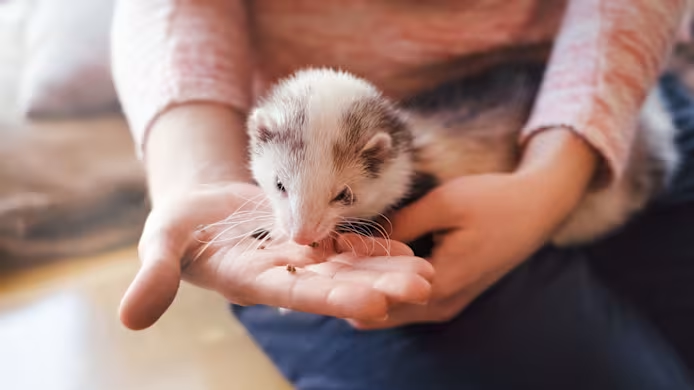
Learn what to feed your ferret and support their natural, carnivore diet.
Ferrets have grown in popularity as pets for good reason, and with that so has our knowledge and understanding of their nutritional needs. So, what do ferrets eat? Ferrets, like cats, are obligate carnivores, which means they require a meat-based diet that is very low in fiber and high in fat and protein. While there are many ferret food options available, some have higher quality ingredients and/or higher meat content than others.
This guide focuses on helping pet parents understand ferret nutrition, evaluate food options and choose a diet that support daily wellness. With thoughtful choices and quality options from trusted retailers like Petco, feeding your ferret can be both manageable and rewarding.
Understanding ferret nutrition
As obligate carnivores, ferret bodies are designed to digest and use nutrients primarily from animal sources. They require high levels of protein and fat to fuel their fast metabolisms and maintain lean muscle mass. Protein should come from real animal sources such as chicken, turkey or fish, not byproducts or plant substitutes. Fat is equally important and supports skin health, coat quality and sustained energy. Most ferret food also contains some plant ingredients, but their necessity has yet to be fully established.
Since the nutritional requirements of ferrets are not entirely known, pet parents are sometimes advised to feed their ferrets high-quality, high-protein, complete and balanced cat food. When choosing a diet for your pet, however, we always recommend consulting your veterinarian.
How to pick the best ferret food
Choosing the right ferret food starts with careful label reading and an understanding of your ferret’s life stage. These five considerations can help you decide whether to buy or say bye.
- The ingredient list is not always helpful. While ingredients should be listed on the label according to relative weight, there is little oversight for this. The ingredient list can easily be manipulated to push more desirable ingredients higher up the list. For example, meat can be included as a raw ingredient with high water inclusion to push it up the list, whereas carbohydrate flour and meals can be ranked without regard to their water weights.
- Consider age and health. Young ferrets need calorie-dense nutrition for growth, while seniors may benefit from lighter formulations. This is where reading the food label’s adequacy statement will come in handy.
- Compare feeding formats. Kibble offers convenience, while wet food tends to be more palatable and can aid hydration. Because it’s raw, freeze-dried food is at higher risk of containing food-borne pathogens.
- Transition slowly. Introduce new food gradually over 7–10 days to help reduce digestive upset.
- Monitor appetite and stool. Changes can signal whether a food is a good match or needs adjustment.
Petco carries several species-specific foods for ferrets to eat that simplify comparison shopping for pet parents.
Types of commercially available ferret food
There are many high-quality ferret diets to choose from. Commercially available ferret food is designed specifically to meet the unique nutritional demands of these obligate carnivores. They typically come in one of three formats.
- Dry kibble remains the most common option because it is both affordable and easy to store.
- Wet food can be helpful for picky eaters and older ferrets who prefer softer textures or highly palatable formulas.
- Freeze-dried diets, which can be served dry or rehydrated, appeal to pet parents looking for highly palatable, minimally processed options. These carry significant risk, however, because harmful bacteria is not as easily destroyed by freeze-drying as it is with cooking.
For growing juveniles and senior ferrets, there are commercially available ferret diets that are specifically formulated for their life stage. Both dry and wet food can be given to ferrets. Wet and water-softened food support hydration and can be a good option for picky eaters and pets who have dental issues and require softer food.
Treats and supplements
Treats can be an important part of a well-rounded diet, especially as rewards for good behavior or teaching tricks. However, they should be given in moderation only and not exceed 10% of your ferret’s total daily calories. Healthy treats include cooked meat and egg. Avoid sugary and dairy-based foods. High-fat pastes and gels can be used in moderation, but these can easily become excessive. Small protein-based treats can be hidden in puzzle toys for enrichment and to encourage natural foraging behaviors.
While there are many types of supplements and vitamins available for ferrets, you should always consult your veterinarian to see if these are recommended for your individual pet.
Food for thought: Table scraps are often cooked with ingredients that can be toxic or harmful to your pet. Limit human-food treats for your ferret to meats or eggs cooked without any added ingredients or flavoring. Stay away from foods known to be toxic to dogs and cats such as onion, garlic, grapes, chocolate and raisins. Petco offers a variety of safe treats for ferrets.
Recognizing signs of food sensitivities and dietary deficiencies
Digestive upset, changes in stool, decreased appetite and a dull coat are all signs that your ferret’s diet is not the right fit. Some ferrets may develop sensitivities over time or require dietary adjustments as they age. If concerns arise, a veterinarian can help evaluate nutrition and recommend appropriate changes based on ferret health history and symptoms.
Feeding routines and tips for picky ferrets
Whichever high-quality diet you choose, note that ferrets are notoriously finicky eaters and may refuse to change diets or have issues adjusting to a diet change. Warming food slightly can help.
If you need to change your ferret’s diet, remember to do so gradually over the course of a week to 10 days to reduce the chances of digestive system upset. Be sure to discuss any diet-related concerns with a veterinarian familiar with the care and needs of ferrets.
Consistency is key when feeding ferrets. Offer food at the same times each day and avoid frequent brand switching unless medically necessary. Maintaining a routine helps reduce stress and supports healthy eating habits.
It is normal for male ferrets to be bigger than females and to accumulate fat during the colder seasons, however, pet ferrets can become overweight or obese just like dogs and cats when fed in excess. This can have negative health implications and can even shorten their life span. If your ferret is overweight, limiting treats is a good place to start. Your veterinarian can help with making dietary adjustments and monitoring weight loss.
Food for thought: Fresh water should always be available. Ferrets—even more so than other pets—can easily overheat and become dehydrated.


Frequently Asked Questions
Most ferrets eat multiple small meals throughout the day and benefit from having food available at all times for grazing.
A high-quality cat food can be acceptable, but dog food is not recommended. Consult your vet for recommendations tailored to your specific pet.
Raw diets carry food safety risks for both pets and pet parents and should be avoided.
Plain cooked meats and eggs can be offered in moderation. Avoid sugary, dairy-based and seasoned foods.