Horse Asthma Medicine
Horse asthma has gone by many different names over the years, such as the “heaves,” COPD (chronic obstructive pulmonary disease), RAO (recurrent airway obstruction) or IAD (inflammatory air disease). It is usually characterized by heavy coughs, heaving, nasal discharge and difficulty breathing.
Causes are usually allergen or environmentally related. Pollen, grass, barn dust or mold are the most common culprits.
Luckily asthma medicine for horses is available, including natural or herbal remedies, breathing implements and aides or prescription-strength drugs. Yet like the treatment options for other health issues, these solutions come with positive and negative factors to balance when deciding on the right treatment for your horses.
Treatment options for horse asthma
One of the best places to start when trying to alleviate equine asthma is to adjust your pet’s environment. This includes giving them more time to pasture and opening up the airflow in their barn to let air circulate. Choosing a low dust bedding and ensuring that their food isn’t in a place where it can collect mold can be helpful too.
If the environmental changes don’t have a remedial effect, your veterinarian may prescribe your horse asthma medication.
One option is an oral or injectable steroid, and it’s typically the quickest and easiest form of asthma medicine to administer. However, steroids also come with side effects such as diminished immune response and laminitis—a painful inflammation of the tissue in the foot.
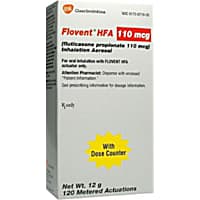
The next option is an equine inhaler. This relatively new device delivers aerosol asthma medication into your horse’s nostril. It works much the same way as asthma inhalers for humans, except it’s absorbed through the nasal passage.
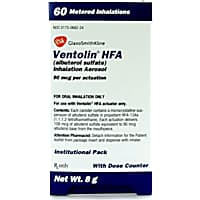
A horse inhaler can take longer to work than steroids and requires longer, more frequent treatments. However, the side effects of common asthma medications like albuterol can be less severe than with steroids.
In more severe cases, your equine vet may recommend using a nebulizer, which delivers a steroid or other medicine as a vapor that your horse inhales through a mask. This is usually less risky than the steroid injection but can be more costly, require more regular treatments, and may be more annoying for your pet.
Talk to your veterinarian to determine the best course of action. Horse asthma is a potentially major problem. Making sure you take immediate steps to help alleviate the condition—including medicine for horses with asthma—can help you ensure a stronger recovery and better overall management of the issue.


 Members-only pricing and offers, personalized care notifications, Vital Care points back on every purchase and more!
 Become a credit card member today!