Two Easy Ways to Start Earning Rewards!
Become a member today! Members-only pricing and offers, personalized care notifications, Vital Care points back on every purchase and more!
 Become a credit card member today!
Earn 2X Pals Rewards points at Petco
when you use Petco Pay!APPLY NOWLearn More About Petco Pay Benefits
Senior Dog Food


Shop our most popular brands






Get It Today

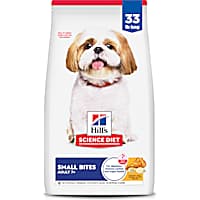

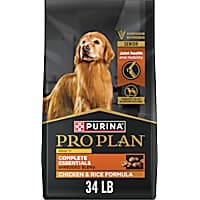

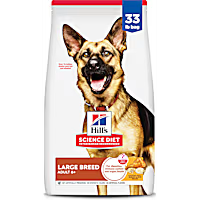
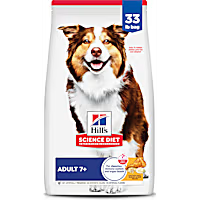


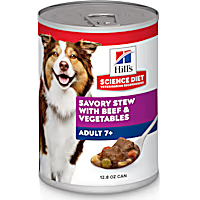
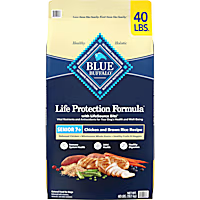
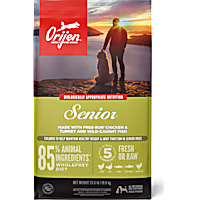


What to know about senior dog food and life stage nutrition
Senior dog food is designed for dogs that have reached a more mature life stage, with recipes tailored to support evolving feeding routines. These formulas often feature balanced ingredient profiles and adjusted calorie levels to align with less active lifestyles. Common characteristics of this category include:
- Recipes created specifically for senior dog food life stage feeding
- Adjusted calorie levels for more controlled portioning
- Ingredient lists that are easy to review and compare
How senior dog food adapts to evolving mealtime preferences
Senior dog food can be selected to align with changing mealtime preferences that develop over time. As meal habits shift, some dogs may show interest in different textures, portion sizes, or meal timing. Recipes in this category are designed to accommodate these adjustments while maintaining a familiar feeding structure. Key considerations related to mealtime changes include:
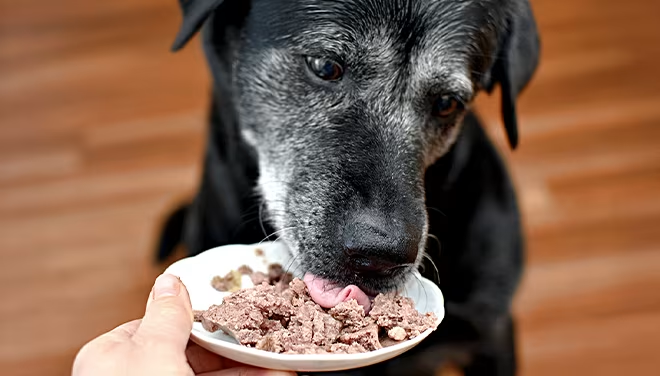
- Recipe formats that reflect different texture preferences, including options like wet dog food
- Portion flexibility that aligns with changing appetites
- Options that support adjustments in meal timing
- Clearly labeled packaging that simplifies food selection
Choosing the best senior dog food for size and preference
Selecting senior dog food often involves considering size, texture, and food format preferences. Smaller kibble pieces may be easier for some dogs to manage, while wet food can offer an alternative texture during mealtime. Recipes are typically available for both small and large breeds, helping align feeding with body size and eating habits. Important factors to consider include:
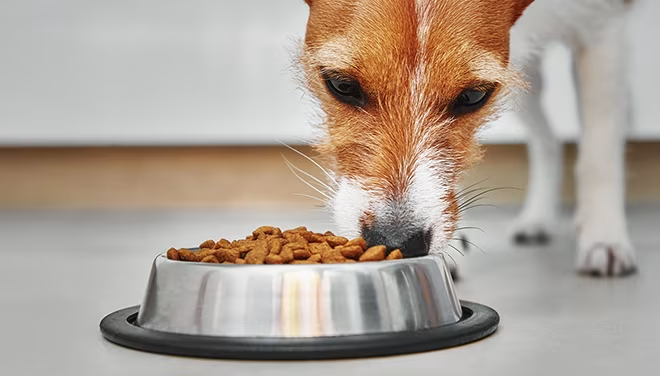
- Kibble size designed for small or large breeds, often found in dry dog food
- Wet and dry formats for different texture preferences
- Ingredient composition that supports easy comparison
- Feeding guidelines based on size and life stage
Frequently Asked Questions
-
Senior dog food is a type of food formulated for dogs in a mature life stage, with recipes designed to align with changing feeding routines and portion needs. Types of these formulas may provide support for common health problems in senior dogs, such as arthritis and heart or kidney disease.
-
Senior dog food is typically designed with adjusted calorie levels and recipe structures that reflect a more mature lifestyle. Adult dog food is formulated for maintenance during a dog’s prime years, while senior recipes may focus more on portion control and consistency.
-
A dog may transition to senior dog food when feeding routines begin to change due to age or lifestyle adjustments. This timing can vary depending on breed size and daily activity patterns. Many pet parents review life stage labels and feeding guidelines when considering a switch.
-
Transitioning to senior dog food is typically done gradually by mixing the current food with the new recipe over several days. Portion sizes are usually adjusted during the transition based on packaging guidelines. A gradual approach can make the change more manageable.
-
When choosing senior dog food, it is helpful to consider your dog's specific needs, from joint support to weight management. Talk to your vet about your dog’s health condition to understand what food is best.