Two Easy Ways to Start Earning Rewards!
Earn 2X Pals Rewards points at Petco
when you use Petco Pay!
Get It Today
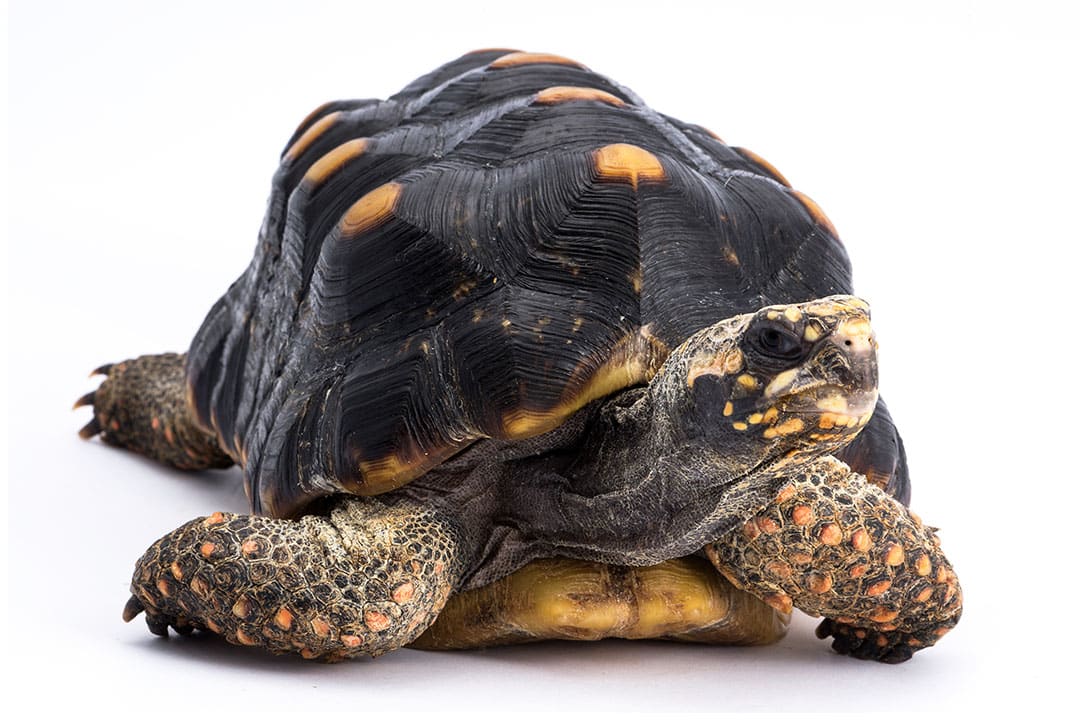
Learn how to care for tropical tortoise, recommended diet & habitat setup. Find the right food, supplies & equipment at your neighborhood Petco.
Updated on November 13th, 2025
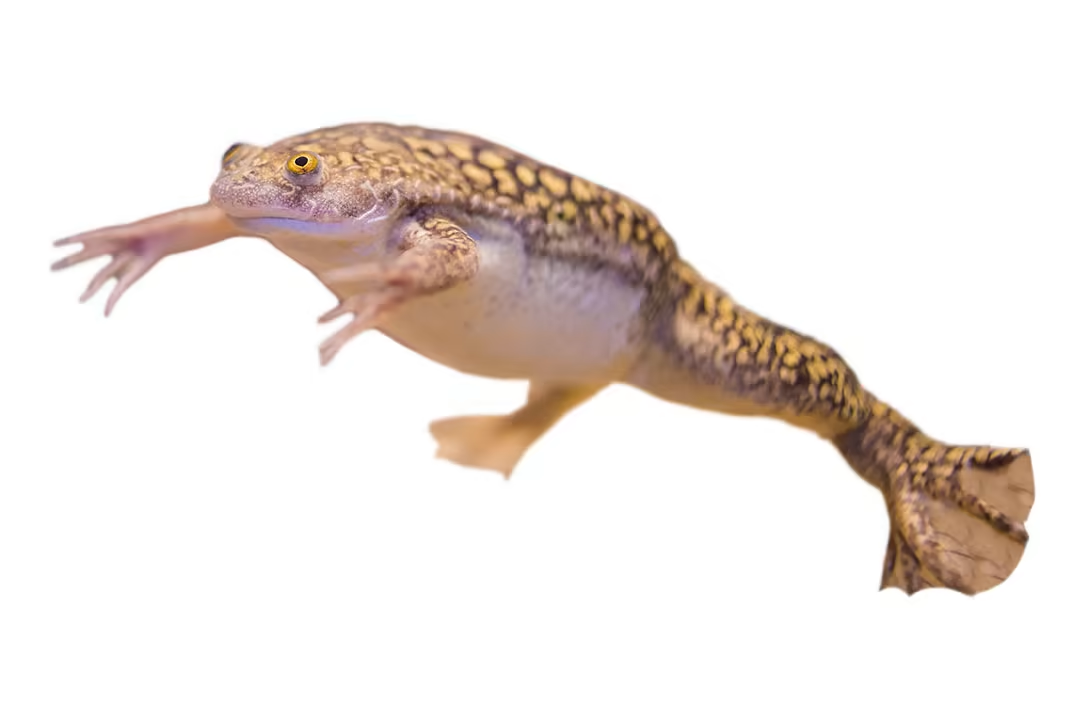
Learn how to care for Freshwater Amphibians, recommended diet and habitat setup. Find the right food, supplies and equipment at your neighborhood Petco.
Updated on November 13th, 2025
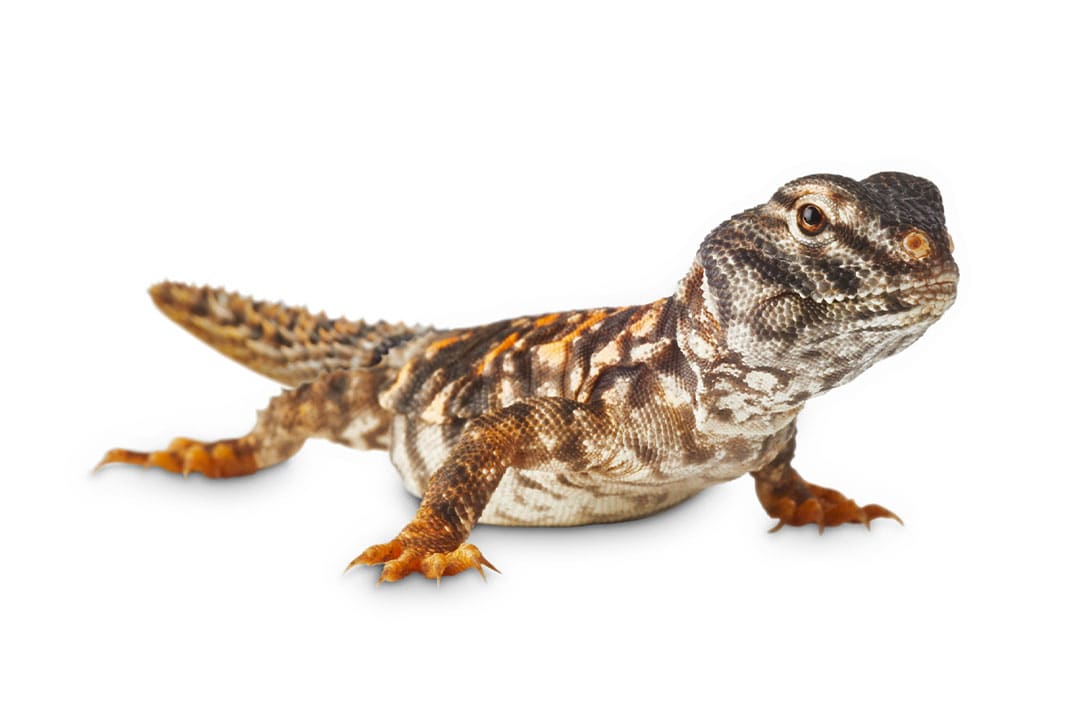
Learn how to take care of Saharan Uromastyx, recommended diet and tank setup. Find the right food, supplies and equipment at your neighborhood Petco.
Updated on November 13th, 2025
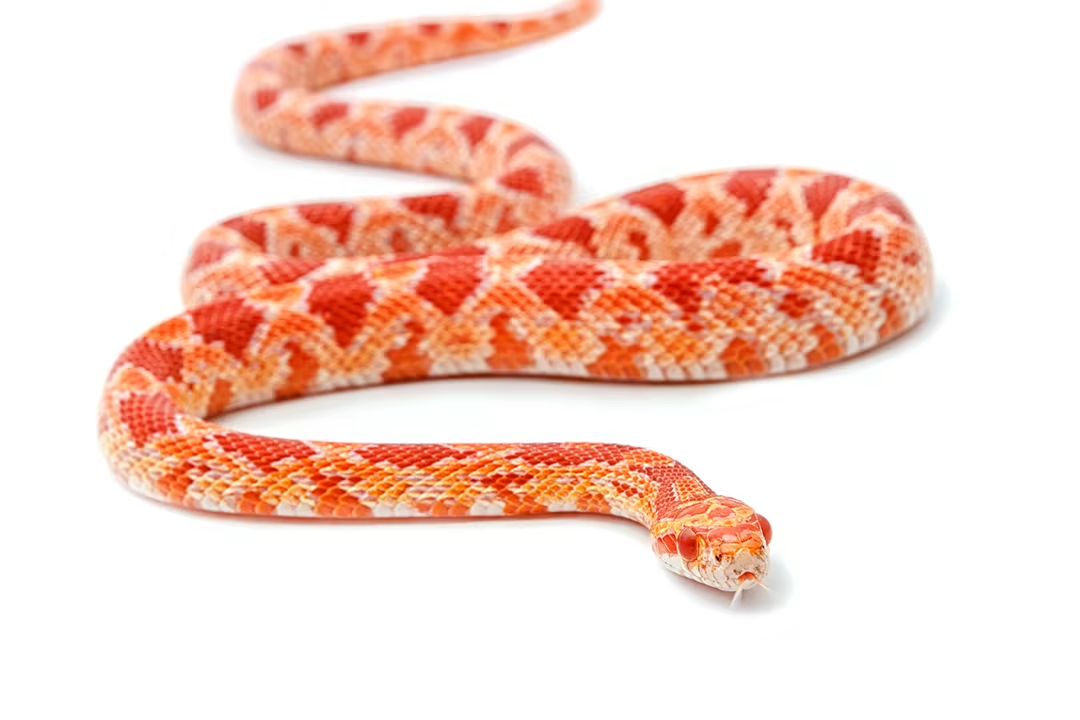
Corn Snakes are named for the pattern of their belly scales that resembles maize. Learn what to feed them, how large they grow, how to house them and more.
Updated on November 13th, 2025
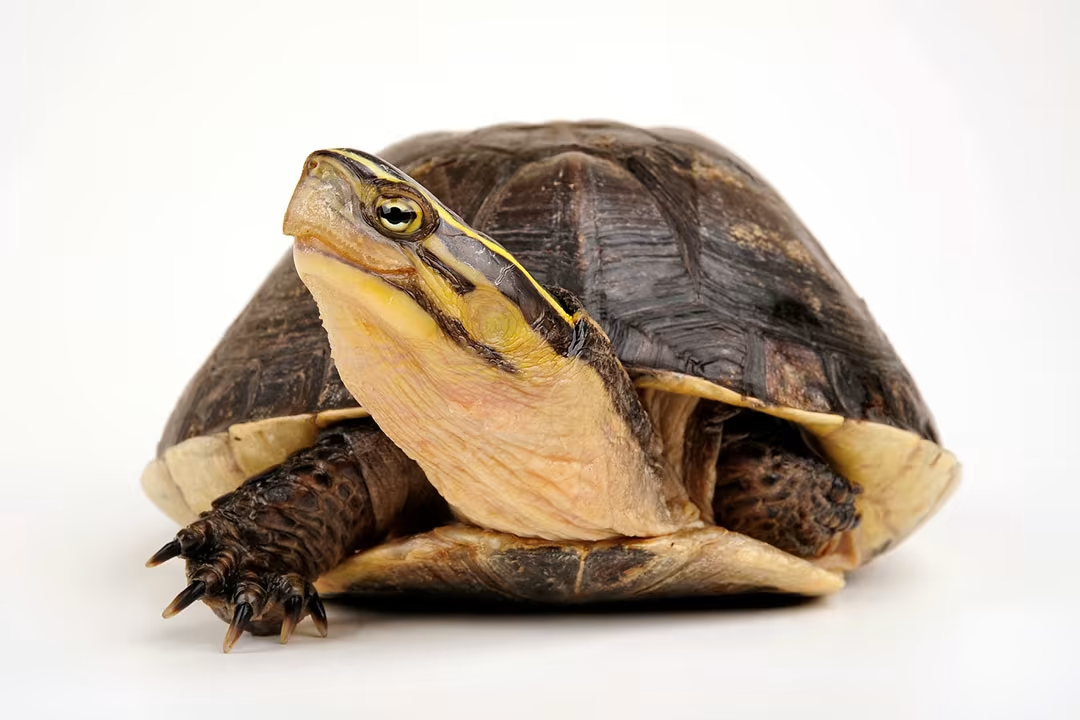
Learn how to care for terrestrial turtles, recommended diet & habitat setup. Find the right food, supplies & equipment at your neighborhood Petco.
Updated on November 13th, 2025
You must treat both the environment and the pet. You can try some over the counter products but many can be ineffective if the environment is not treated concurrently. Ivermectin can be dispensed by your veterinarian to use systemically or topically. Do not treat with ivermectin without the advice of your veterinarian as it is quite easy to overdose. A 30 minute soak in a diluted Betadine bath can remove most mites and may soothe irritated skin. Remove the substrate, bag it and take it outdoors. Clean and sanitize the cage, bowls and tank furniture. You can use hot, soapy water followed by a 1:30 dilution of bleach and water followed by a thorough rinsing on the tank, bowls and non porous surfaces. Discard anything that cannot be sanitized. You may need to clean and sanitize the enclosure weekly for several weeks. The pet may need multiple treatments as well.
Updated on August 12th, 2025
I suggest you call a reptile vet in your area and find out what options you have for assistance. They may be able to help you. I found this one in your area: http://eagle-vet.com/exotics/ This is a link to an article regarding organizations to help people with pet medical bills. I know it says "dog" but it is for all pets. http://www.dogheirs.com/resources-affordable-veterinary-care/ I am sure you will be able to find some assistance if you do some legwork. Hope this helps. Best wishes.
Updated on August 12th, 2025
Congratulations on your new addition! The tank is sufficient for a juvenile, however you will likely need a larger one when Sonora is fully grown. Make sure Sonora can get into and out of the bowl easily to prevent drowning. Place thermometers in the enclosure to monitor temperature. You will need 3. One at the cool side, one on the warm side and one for the basking spot. Hygrometers can also be used to monitor humidity. You can review care information at the link below. http://www.anapsid.org/bearded.html
Updated on August 12th, 2025
Without an image, it is difficult to determine. It may indeed be an introduced species. Another possibility would be a slow worm , or legless lizard which are common in the UK. If you still have it, submit it to a veterinarian experienced in treating reptiles or to a zoo for identification.
Updated on August 12th, 2025
One of the eyes looks odd and it appears there are some dry scales or possibly retained shed on the head. The eye could have been damaged by chronic infection or trauma that went untreated. Retained eye caps are also a possibility. A close physical exam would be needed to confirm any of these conditions. Ball pythons are notorious for their hunger strikes. Confirm proper environmental parameters before feeding. A stressed snake will not eat and low temps can affect appetite in reptiles. Instead of a rat, offer an adult mouse. If you feed live, stun the mouse first to prevent injury. Frozen/thawed prey should be at room temp (or warmer) before offering. Don't use a microwave to though prey. You can get some used gerbil bedding from the local pet store. Rub it on prey prior to offering. This will scent the mouse with a python's natural prey. Survey the area around the enclosure for any negative stimuli. This may include loud noises, bright lights, strong vibrations or strong drafts. R
Updated on August 12th, 2025