Two Easy Ways to Start Earning Rewards!
Earn 2X Pals Rewards points at Petco
when you use Petco Pay!
Get It Today
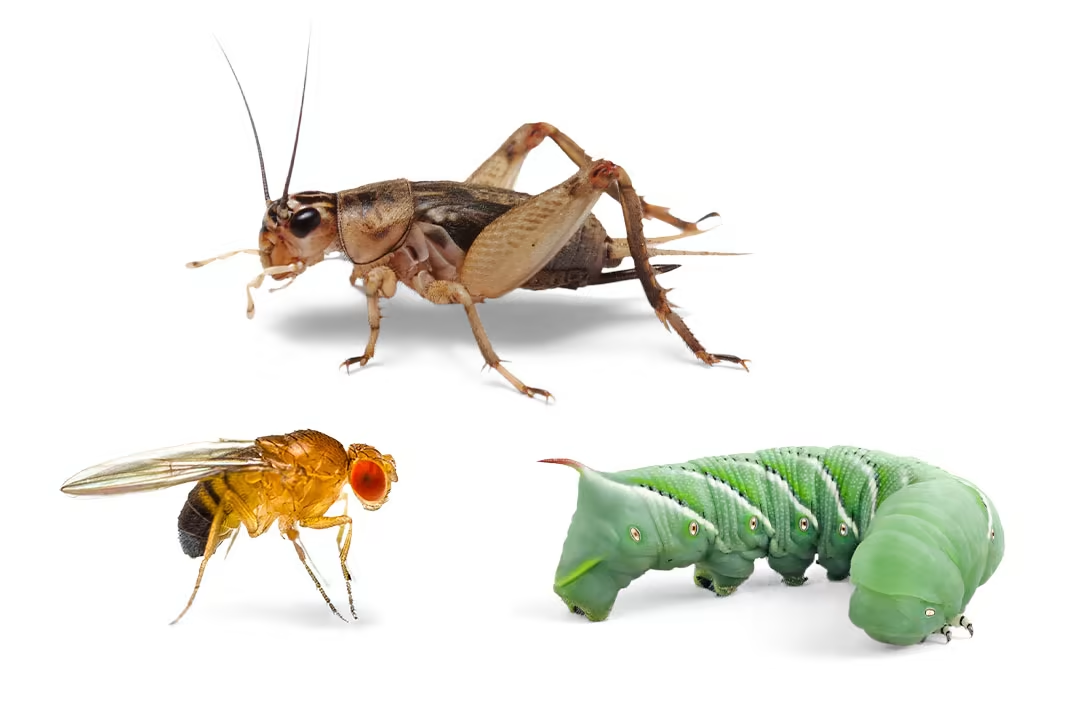
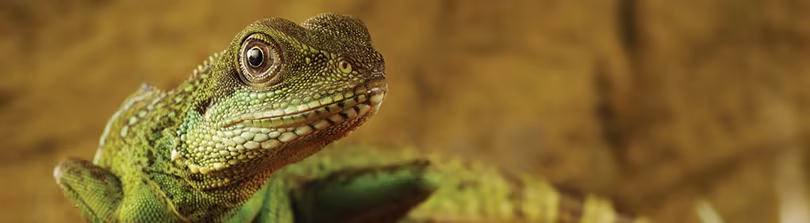
Learn about live insects for reptile feeding, recommended diet & habitat setup. Find the right food, supplies & equipment at your neighborhood Petco.
Updated on October 23rd, 2025
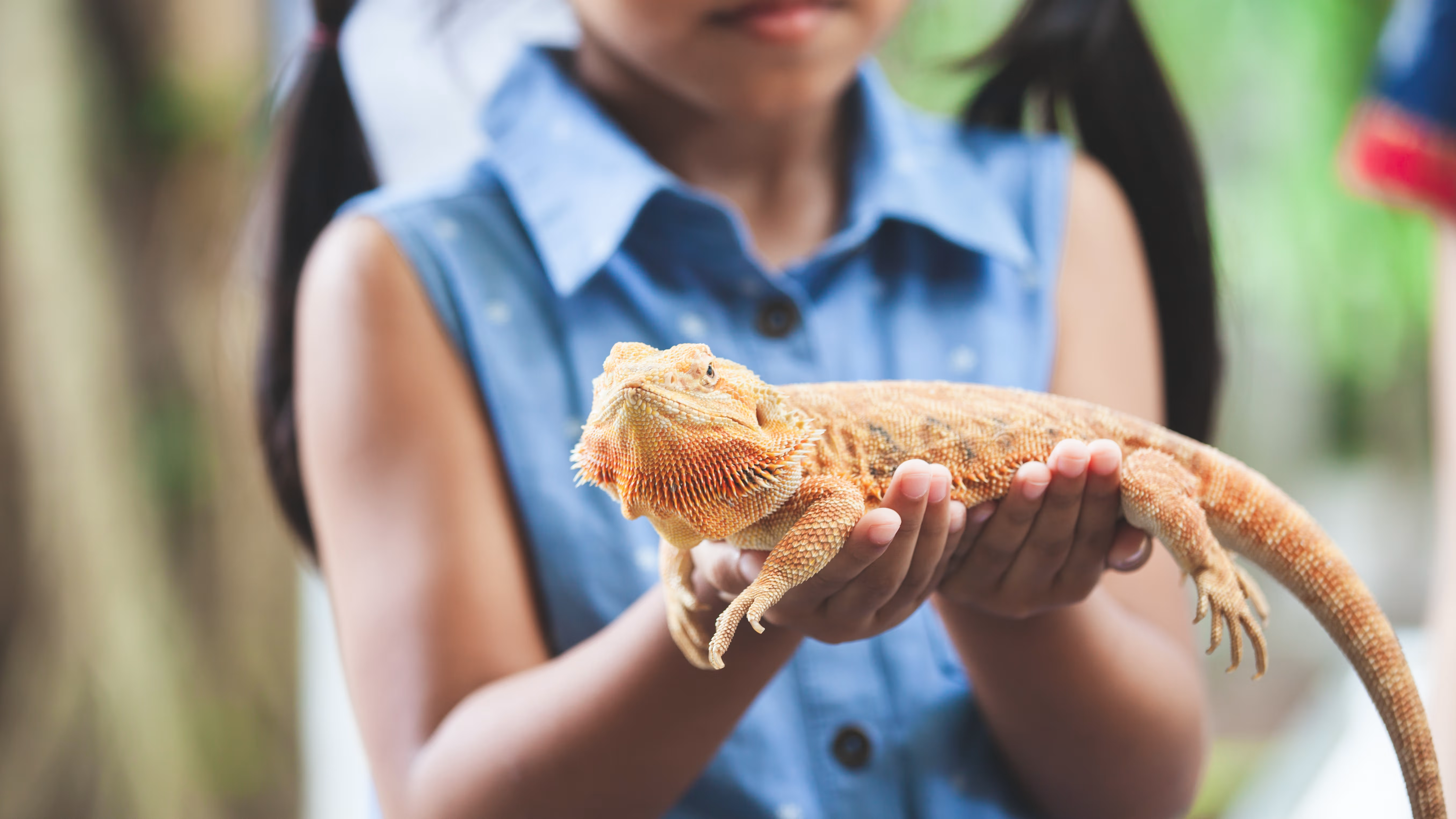
Read these guidelines about handling reptiles to provide a safe and fun environment for your pet, friends and family.
Updated on October 23rd, 2025
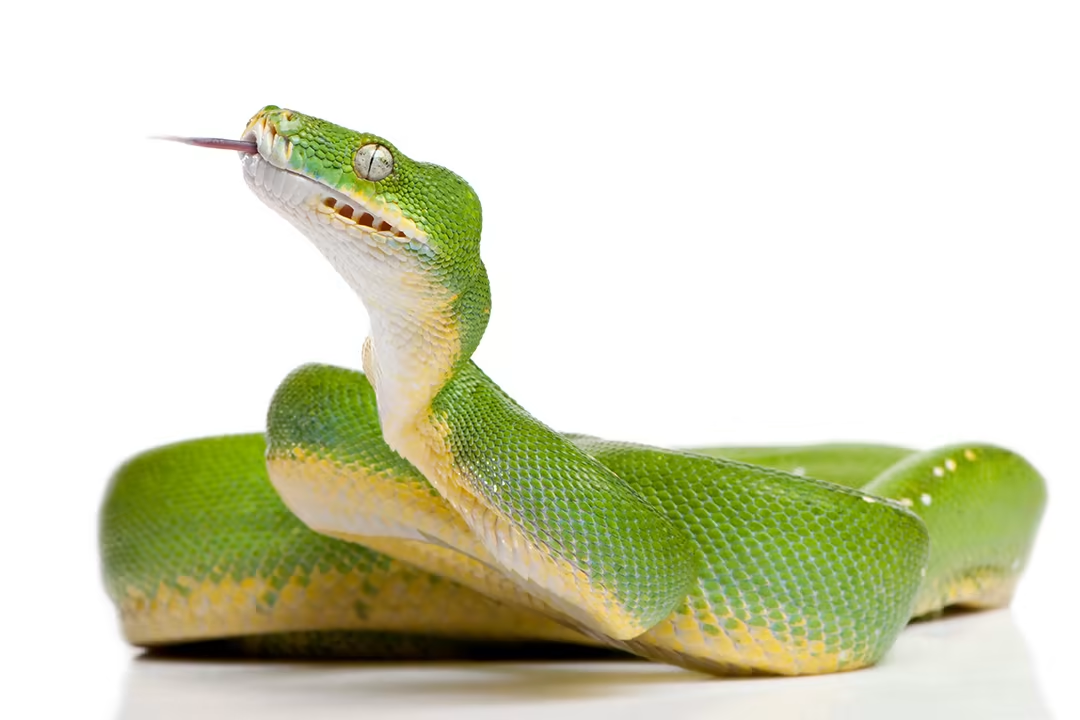
Learn how to take care of your Green Tree Python, tank size, diet & habitat setup. Find the right food, supplies and equipment at your neighborhood Petco.
Updated on October 23rd, 2025
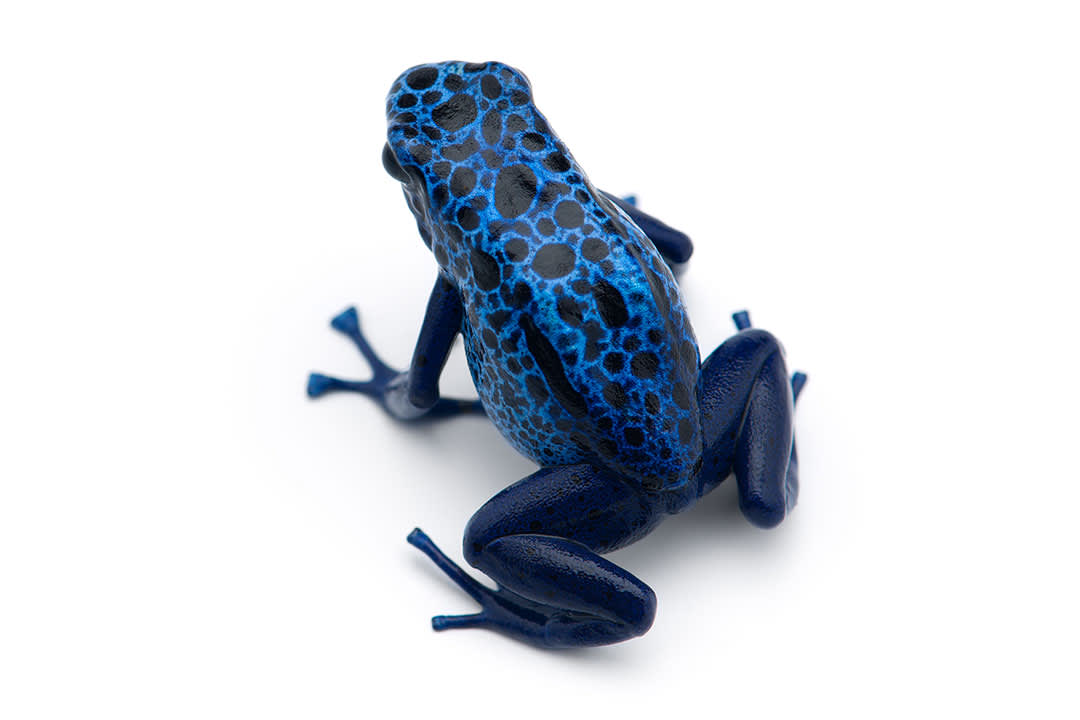
Learn how to care for small Terrestrial Frogs, recommended diet and habitat setup. Find the right food, supplies and equipment at your neighborhood Petco.
Updated on October 23rd, 2025
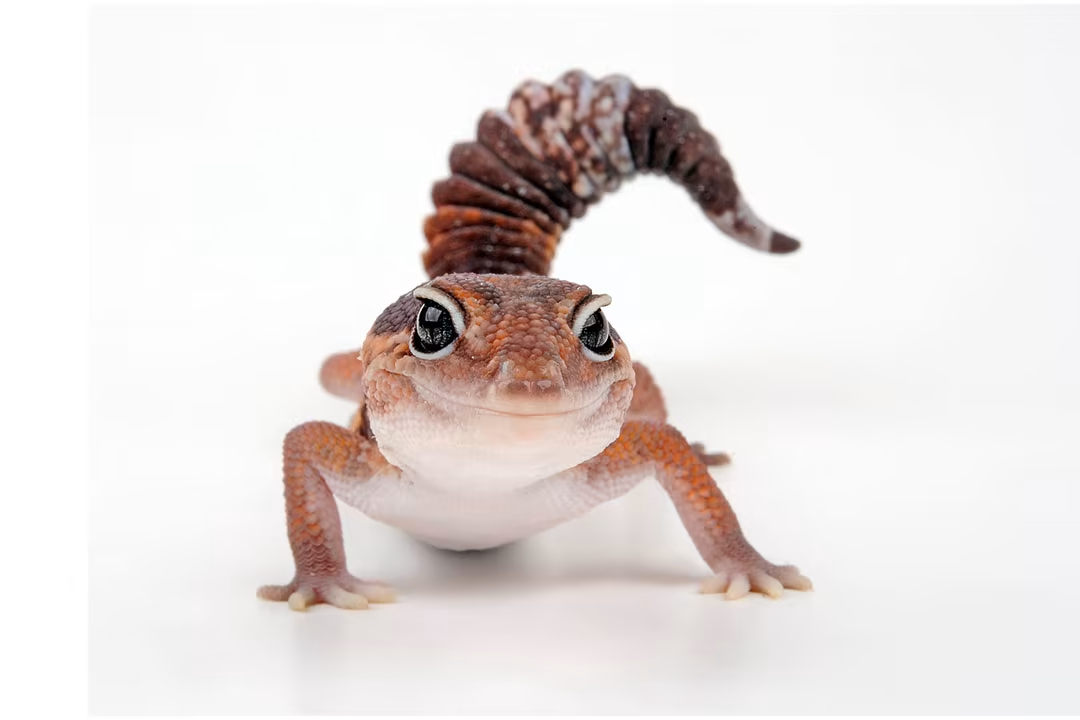
Learn how to care for tropical geckos, recommended diet & habitat setup. Find the right food, supplies & equipment at your neighborhood Petco.
Updated on December 22nd, 2025
Ideally, the UVB light source should run the entire length of the tank. A thermometer/hygrometer should be on each end of the tank to confirm cool and warm sides. Use a digital thermometer to verify temps. Those little ones you have can be inaccurate. Provide a hide on both sides as well. Personally, I would remove the fake grass as it has the potential to cause eye injuries. Your tank looks good otherwise.
Updated on September 24th, 2025
Echevaria (hen and chicks), Dracaena, Marigold, Boston fern or Bird's Nest fern are safe. Be forewarned though, any plant you put in the viv will be eaten or trampled. You may also have difficulty maintaining proper humidity levels with live plants.
Updated on September 24th, 2025
Bearded dragon owners can also add plants to the habitat, but take care when adding real plants. If a live plant is in the habitat, the bearded dragon might decide to use it as a snack. If the plant is toxic to bearded dragons, your pet could end up very sick, or dead. Artificial plants are the best option since they are easy to clean, never need water, and are very naturalistic. Most pet stores carry a wide variety of artificial plants to choose from. If you decide to use live plants, junipers are one of the most recommended plants to use. Junipers are slow-growing and do not require much water.
Updated on September 24th, 2025
Monitor for lethargy, loose droppings, regurgitation, loss of appetite or straining to defecate. These are symptoms that should be addressed by your veterinarian or a vet experienced in treating reptiles. Depending on the size of the pieces, she may be able to pass them. You can dab a bit of plain canned pumpkin (NOT pie filling) on her nose. This will add fiber to hopefully move things along.
Updated on September 24th, 2025
A small enough piece should pass uneventfully. Monitor for lethargy, loss of appetite or lack of defecation. If necessary, see your veterinarian or an experienced herp vet. Soaking him in a warm 50/50 solution of water and unflavored PediaLyte will keep him well hydrated which can help the substrate pass easier.
Updated on September 24th, 2025