Two Easy Ways to Start Earning Rewards!
Earn 2X Pals Rewards points at Petco
when you use Petco Pay!
Get It Today
When it comes to reptile habitats, one of the most essential elements to creating a happy home for your pet is including the appropriate type of lighting. Zoo Med helps outline which lights are right for your pet.
Updated on November 13th, 2025
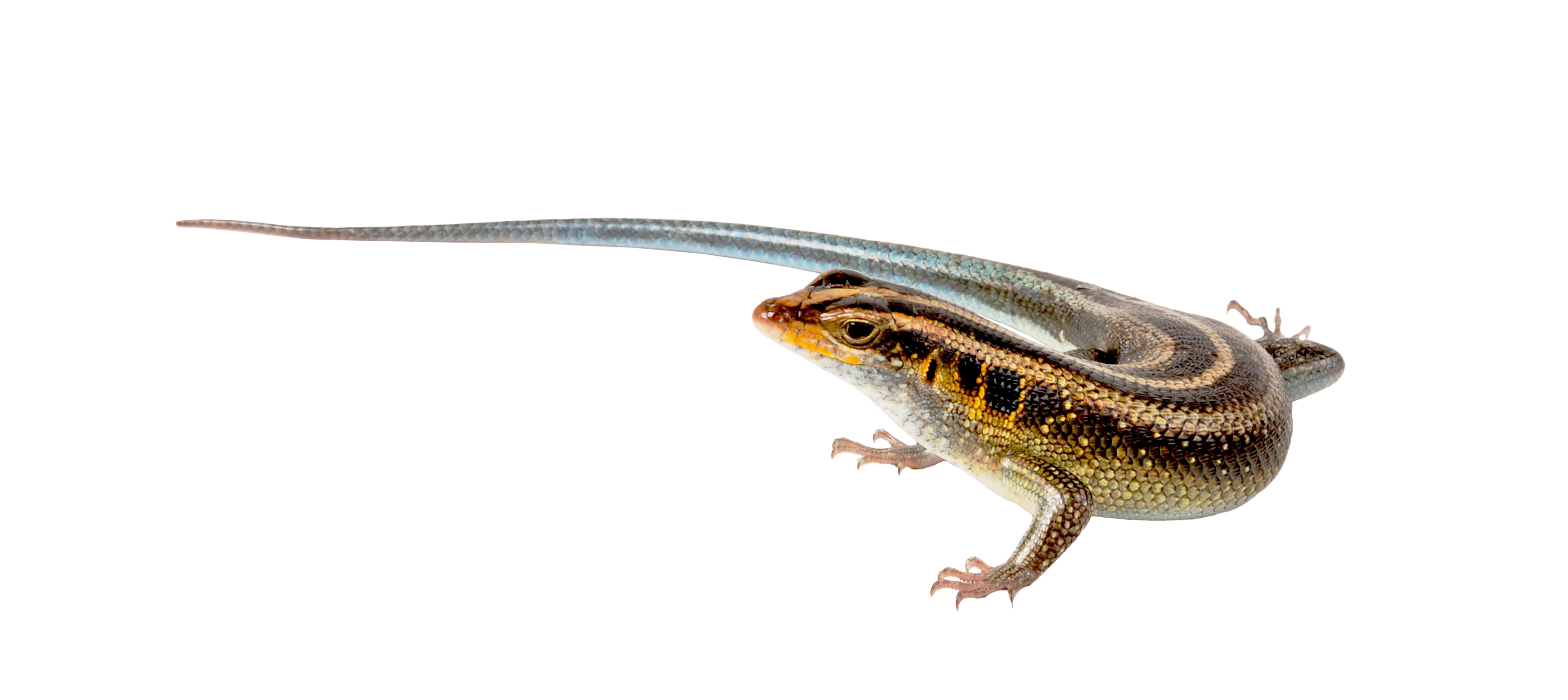
Learn how to care for an Arid Skink, recommended diet and habitat setup. Find the right food, supplies and equipment at your neighborhood Petco.
Updated on November 13th, 2025
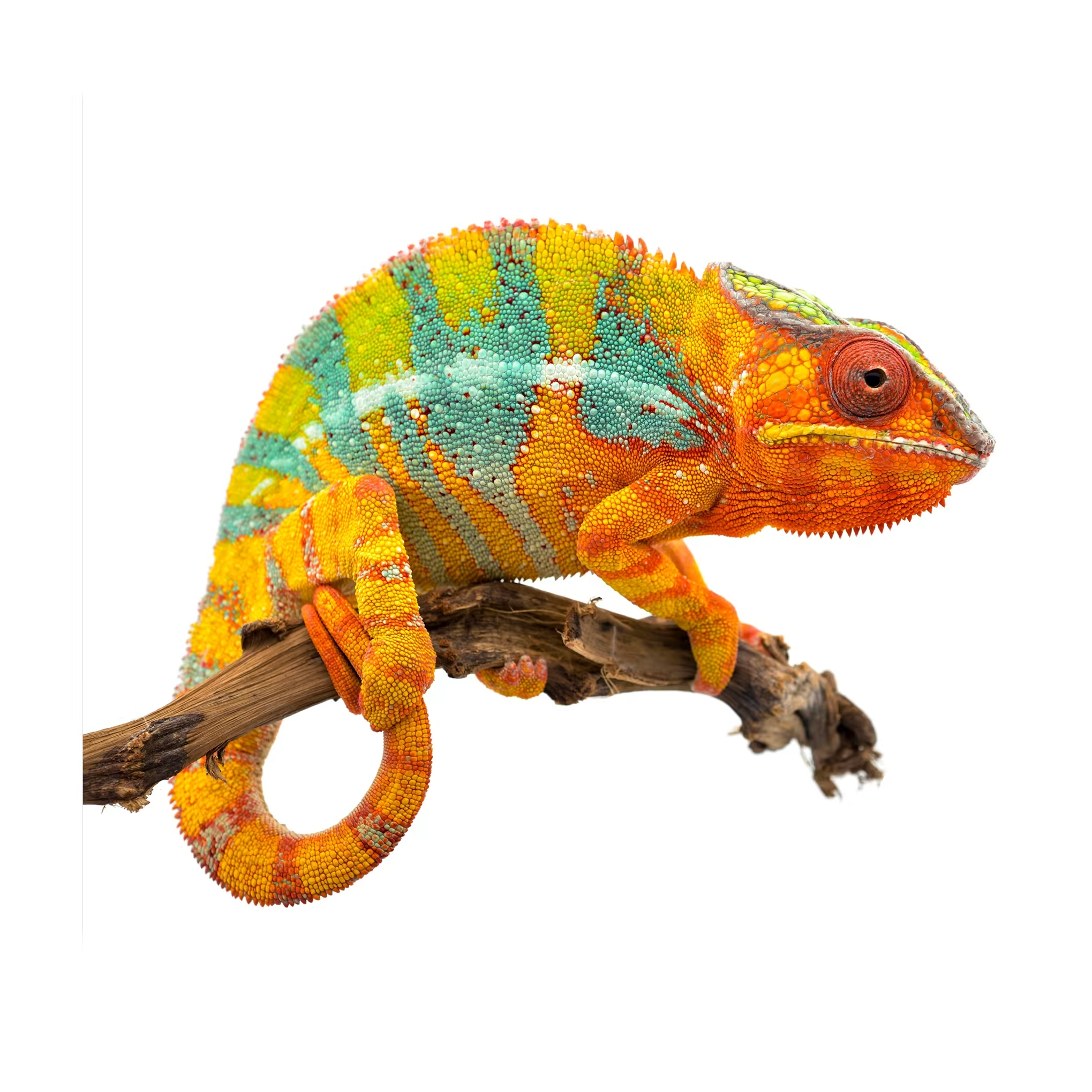
Learn how to care for warm climate Chameleons, recommended diet & habitat setup. Find the right food, supplies & equipment at your neighborhood Petco.
Updated on November 13th, 2025
Do you have questions about what to feed a reptile? Petco has the answers! Visit us to learn about reptile dietary needs.
Updated on November 13th, 2025
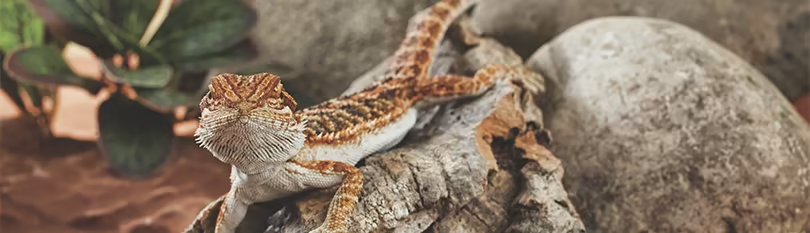
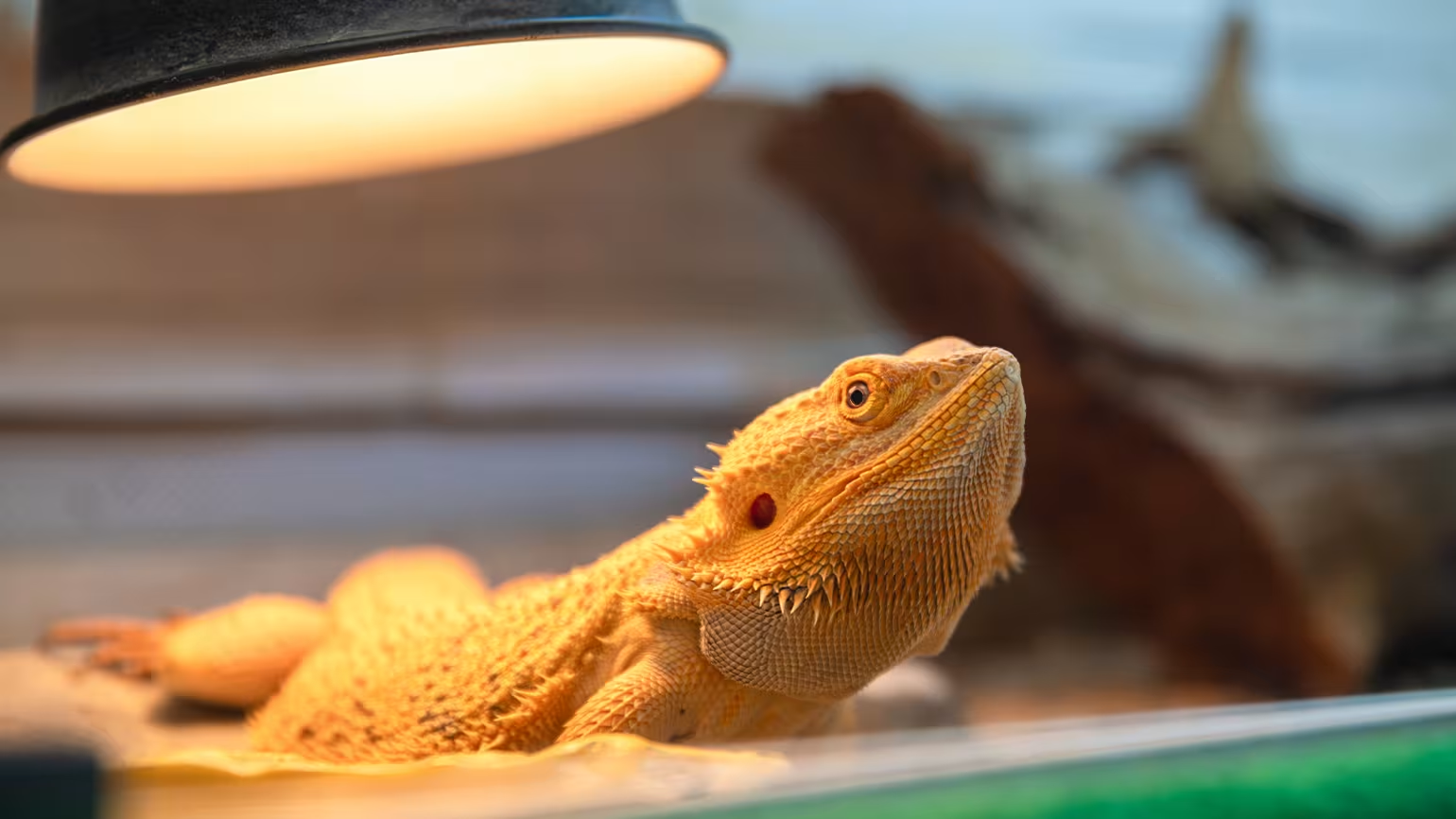
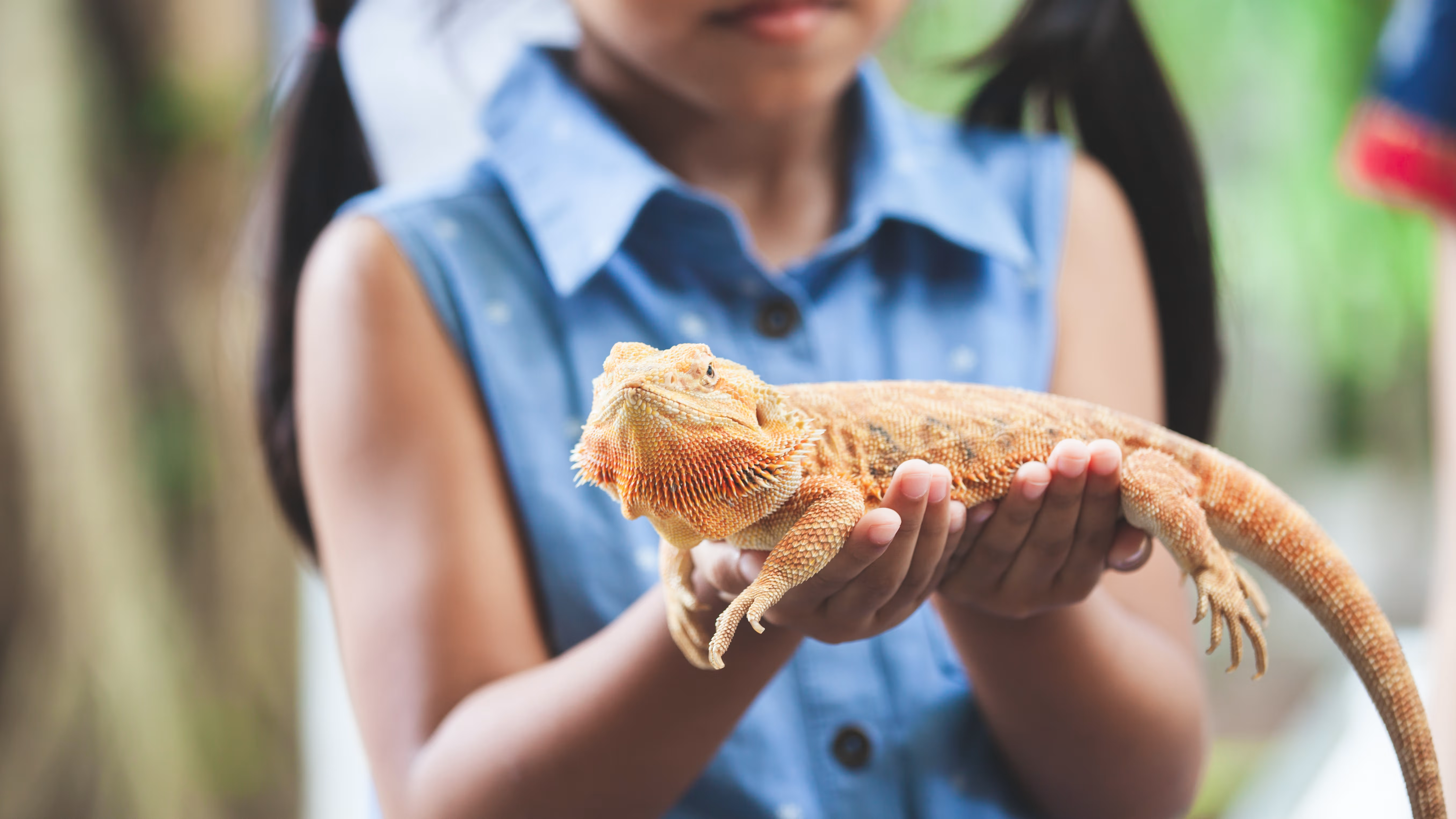
Bearded dragons have specific lighting requirements that emulate their natural warm and dry habitat. Learn about their lighting needs at Petco.
Updated on November 13th, 2025
A 10 gallon tank can be purchased in the local Petco for less than twenty dollars ( https://www.petco.com/shop/en/petcostore/product/fish/fish-aquariums-kits/aquariums-up-to-ten-gallons/aqueon-standard-glass-aquarium-tank-10-gallon ). It would be easier to keep and secure than a laundry hamper. Given the temps required for geckos, plastic may not be the best option either. You will need a a heat lamp for day use and maybe a heat source if nighttime temperatures drop below 70 F. You can use slate, reptile carpet, plain paper towels or a coconut fiber substrate. Review gecko care at the link below. http://www.reptilesmagazine.com/Care-Sheets/Lizards/Leopard-Gecko/
Updated on August 12th, 2025
An adult crested gecko should be housed in a 20-gallon tank with screen top. Larger tanks will allow for better displays. In areas with moderate to high relative humidity, crested geckos will fare well in screen cages.
Updated on August 12th, 2025
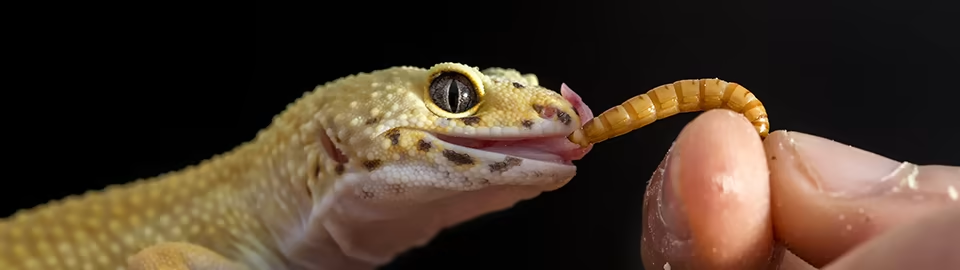
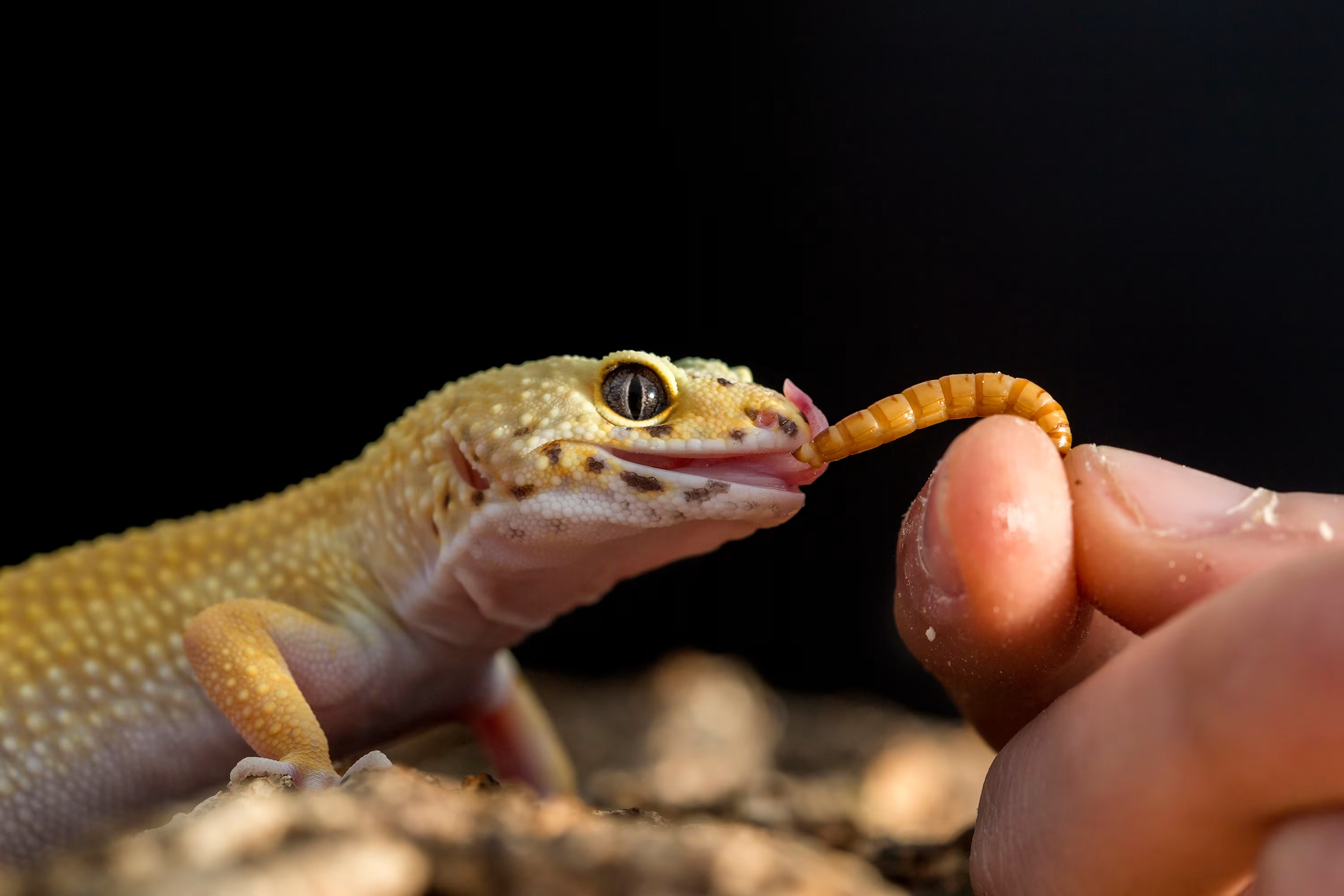
Anytime a reptile becomes excessively lethargic, you must check the ambient and basking temperatures. Low temps can dramatically affect activity and appetite. Set daytime temps between 78 F and 82 F . Night temps can drop into the low 70s F. A small basking area set at around 80 F should be provided. They are nocturnal, so don't expect a lot of daytime activity. Offer a variety of appropriately sized prey (crickets, dubia roaches, etc.) as well as a commercial gecko diet. You may need to hold prey in front of him or tap his nose to elicit a strike. Do not attempt to force feed him. Soak him in a warm 50/50 solution of water and unflavored PediaLyte. Gently stroking his abdomen during the soak may produce a bowel movement if he hasn't been defecating. The soak will treat or prevent mild dehydration. If he continues to exhibit this behavior or does not start eating, have him examined by an experienced herp veterinarian. Submit a stool sample to diagnose intestinal parasites.
Updated on August 12th, 2025
Thanks for reaching out about Aspen. It is sometimes difficult to soak them since they climb walls well. A shallow pan with a lid might keep Aspen in the water for several minutes, by not allowing to climb out. Just don't make it stressful. Abort if concerned and leave to spraying/misting. Good luck.
Updated on August 12th, 2025
Leopard geckos are great "starter" reptiles. They don't require special lighting (UVB) like other reptiles. A 20 gallon tank is big enough for one. Add a heat source, hides and a water bowl and you are good to go. You can review gecko care at the links below. http://www.reptilesmagazine.com/Care-Sheets/Lizards/Leopard-Gecko/ http://www.anapsid.org/leopardgek.html
Updated on August 12th, 2025