Two Easy Ways to Start Earning Rewards!
Earn 2X Pals Rewards points at Petco
when you use Petco Pay!
Get It Today
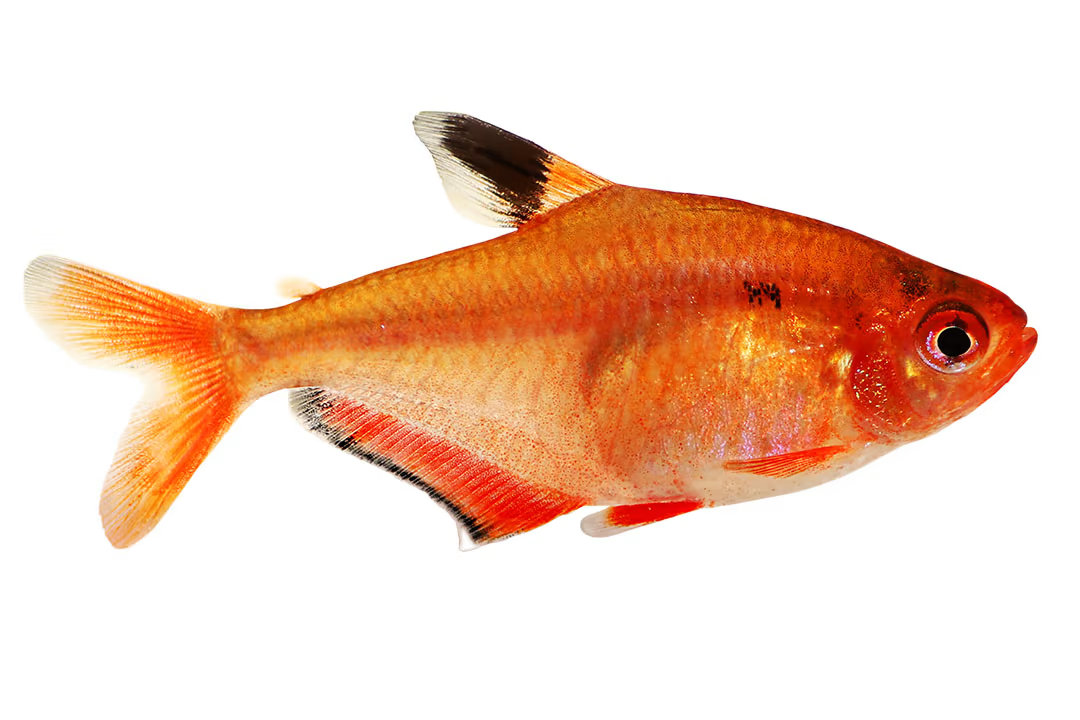
Learn how to care for freshwater community fish, recommended diet & aquarium setup. Find the right food, supplies & equipment at your neighborhood Petco.
Updated on November 13th, 2025
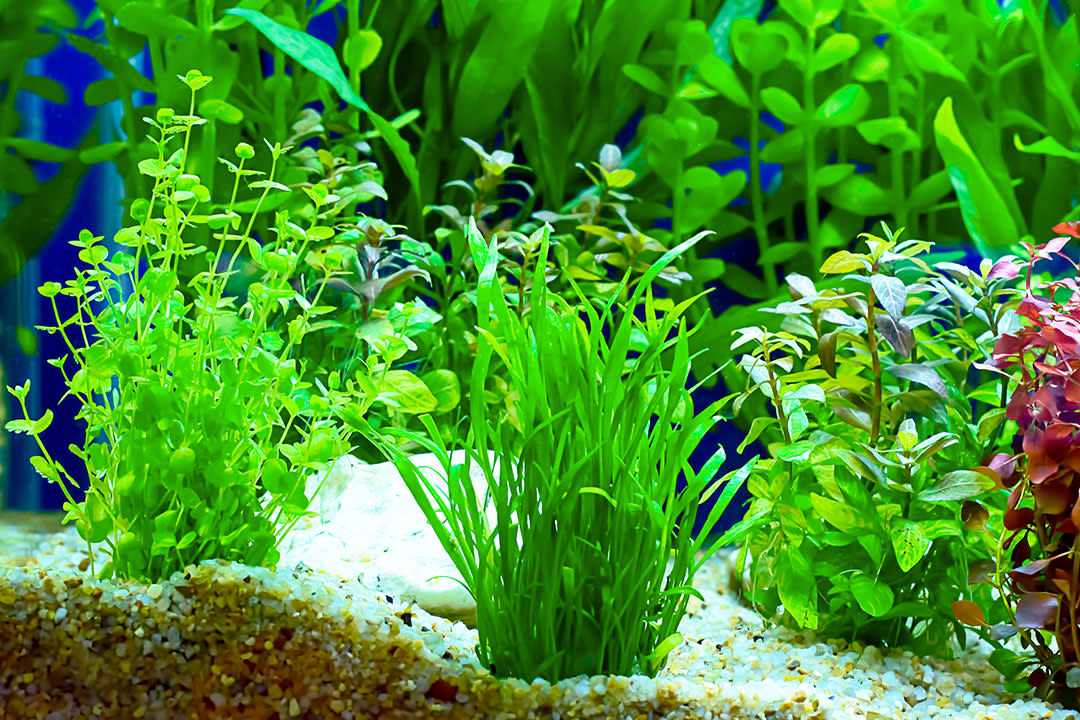
Learn how to pick the right aquarium plants, substrate, lighting, and fertilizers to ensure that your aquarium plants thrive and stay healthy.
Updated on November 13th, 2025
Although you may not realize it, aquaculture is something that touches our lives on a regular basis. Read more about what exactly aquaculture is, why it is important.
Updated on November 13th, 2025
Tanks with live plants can be excellent additions to your home, bringing a touch of nature indoors. Learn how to take care of aquatic plants.
Updated on November 13th, 2025
Learn how to use aquarium salt in freshwater aquariums to promote healthy gill functions, reduce stress, and treat infections in fish.
Updated on November 13th, 2025
Unfortunately this is a very generic sign and a radical approach must be followed in these cases to find the problem. Begin by submitting a water sample for quality testing. Most pet stores will do this for free or a nominal fee. High ammonia levels, PH imbalances may be responsible for that. Oxygen concentration and quality of the filters should be determined as well. If water quality is good and there are no major imbalances, your Fishy should examined to look for any sign of bacterial/fungal infection and eventually water should be treated. Please do not hesitate to contact us again on the forum or by requesting a consultation if you have any more questions or to discuss it any further.
Updated on August 12th, 2025
These are quite generic but concerning signs. The list of differentials is very long in this case, so I would recommend a logic and radical approach. Begin by submitting a water sample for quality testing. Most pet stores will do this for free or a nominal fee. Clinical examination should always include a water quality check, even if you have done so already. Water testing should be performed with a quality test kit, measuring NH4, NO2 and NO3. High ammonia levels, PH imbalances may be responsible for these signs. Oxygen concentration and quality of the filters should be determined as well. If water quality is good and there are no major imbalances, your fish should get examined to look for any sign of bacterial/fungal infection and eventually water should be treated. Hope this answer was helpful, but please do not hesitate to contact us again on the forum or by requesting a consultation if you have any more questions or to discuss it any further. Please find the time to give us a feed
Updated on August 12th, 2025
Check the water chemistry and quality first. Poor quality can predispose him to infection. Use a home test kit or submit a water sample for testing. Your local Petco may do this for free or for a small fee. If ammonia and/or nitrite levels are elevated, perform partial water changes until both read 0 ppm and nitrates are 20 ppm or less. Use only conditioned water that is temperature matched to prevent further stress or shock. Providing pristine water quality is the foundation for treatment and healing. Check the water temperature since low temps can affect appetite and activity in fish. If the water is too warm, it can also affect activity since warm water does not hold as much oxygen as cooler waters. Fast the fish for 2-3 days then feed tiny bits of cooked and shelled green peas. This will aid in defecation if there is constipation. Plain aquarium salt (not table salt or Epsom salt) can be used for most fish as a general tonic to reduce stress, improve gill function, treat minor in
Updated on August 12th, 2025
The majority of the acclimation guide is intended for introducing animals recently purchased online into a quarantine environment that have been inside a dark box for 24+ hours and the water quality is most likely degraded from waste. Hopefully you followed these steps before introducing your pond animals into their quarantine environment. After the quarantine period the acclimation from this environment should be relatively easy and quick – given the water parameters in the quarantine environment are ideal and similar to your pond. The best way to move the fish would be to put them in a 5 gal. bucket and float the bucket in the pond for at least 30 minutes so the temperature in the bucket can gradually reach the same temperature as the pond. Make sure you do this in a shady spot of the pond or during a time period when the bucket will not be in the sun. In order to keep the bucket from tipping it may take some creativity but it may be as simple as using a wooden pole laid across the
Updated on August 12th, 2025
These are quite concerning but generic signs. The approach must be logic but quite radical at the same time. Begin by submitting a water sample for quality testing. Most pet stores will do this for free or a nominal fee. Clinical examination should always include a water quality check, even if you have done so already. Water testing should be performed with a quality test kit, measuring NH4, NO2 and NO3. High ammonia levels, PH imbalances may be responsible for these signs. Oxygen concentration and quality of the filters should be determined as well. If water quality is good and there are no major imbalances, your fish should get examined to look for any sign of bacterial/fungal infection and eventually water should be treated. Hope this answer was helpful, but please do not hesitate to contact us again on the forum or by requesting a consultation if you have any more questions or to discuss it any further.
Updated on August 12th, 2025