Two Easy Ways to Start Earning Rewards!
Earn 2X Pals Rewards points at Petco
when you use Petco Pay!
Get It Today
Learn how to care for a Bearded Dragon, recommended diet and habitat setup. Find the right food, supplies and equipment at your neighborhood Petco.
Updated on April 9th, 2026
Your bearded dragon needs daily activity to stay physically and mentally fit. Petco is sharing tips for incorporating regular exercise and play into your reptile's routine.
Updated on June 19th, 2026
Learn some fun facts about beard dragons, available at Petco. There’s lots to learn about these fun and fascinate pets.
Updated on October 23rd, 2025
Learn why your bearded dragon is not eating. Visit petco.com for more information on the causes and what to do about them.
Updated on June 19th, 2026
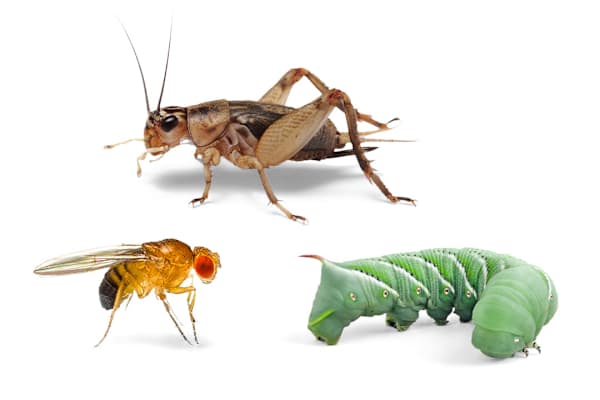
Learn about live insects for reptile feeding, recommended diet & habitat setup. Find the right food, supplies & equipment at your neighborhood Petco.
Updated on April 9th, 2026
Here is a great website for Bearded dragon husbandry: http://www.vetmed.ucdavis.edu/vmth/local_resources/pdfs/cape/Care_of_Bearded_Dragons.pdf http://www.thebeardeddragon.org/ The last one has a growth chart.
Updated on September 24th, 2025
Submit a stool sample to diagnose intestinal parasites. Monitor Drogon for difficulty breathing, blowing bubbles, lethargy, or odd sounds while breathing. These are symptoms of an upper respiratory infection. Parasites or URI may cause the condition you are seeing. Bump cage temps up by about 5F for a few days. Soak him in a warm 50/50 solution of water and unflavored PediaLyte twice daily for 15-20 minutes. Make sure the UVB light source is not older than 6 months and use quality vitamin and mineral supplements. If Drogon gets worse or does not begin eating soon, have him examined by an experienced herp veterinarian.
Updated on September 24th, 2025
Echevaria (hen and chicks), Dracaena, Marigold, Boston fern or Bird's Nest fern are safe. Be forewarned though, any plant you put in the viv will be eaten or trampled. You may also have difficulty maintaining proper humidity levels with live plants.
Updated on September 24th, 2025
It can be normal for a juvenile beardie to shed frequently. Monthly sheds are not unheard of up until one year of age. Soak him daily for 10 minutes in warm water or provide a moist hide to facilitate shedding. If he won't eat greens, you can try mixing in small meal worms, waxworms or hornworms in with greens. Provide a varied diet with proper supplementation of calcium/D3 (3-5x/week) and multivitamins(2-3x/week). As he matures, his appetite and growth will level off.
Updated on September 24th, 2025
You can mist him/her 2-4 times daily. Monitor the humidity in the tank though, as high humidity can promote bacterial or fungal growth. Feeding amounts depend on age. Juveniles will eat more and more frequently. Feed in 10 minute periods 2-3 times daily. It is very important to feed appropriately prey, no bigger than the space between your beardie's eyes. Adults can be fed less frequently and should be fed more vegetables and less prey.
Updated on September 24th, 2025