Two Easy Ways to Start Earning Rewards!
Earn 2X Pals Rewards points at Petco
when you use Petco Pay!
Get It Today
Learn how to setup your reptiles terrarium to ensure your reptile lives a wholesome & happy life. Shop at your local Petco for all reptile terrarium needs.
Updated on November 13th, 2025
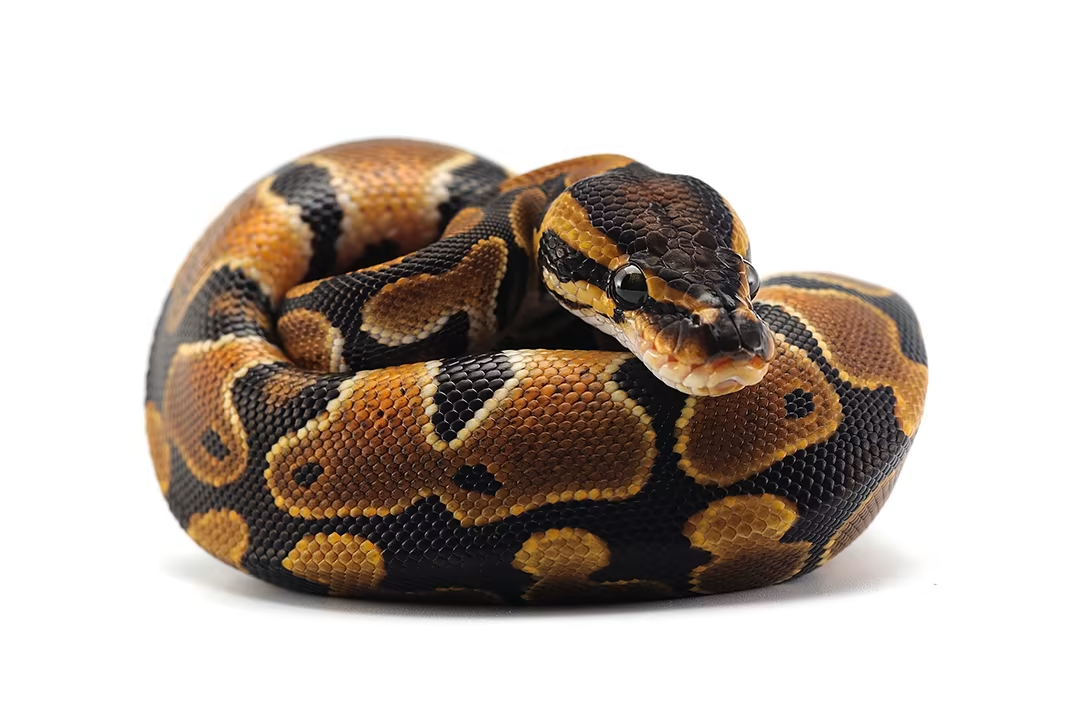
Learn how to care for a Ball Python, recommended diet and habitat setup. Find the right food, supplies and equipment at your neighborhood Petco.
Updated on November 13th, 2025
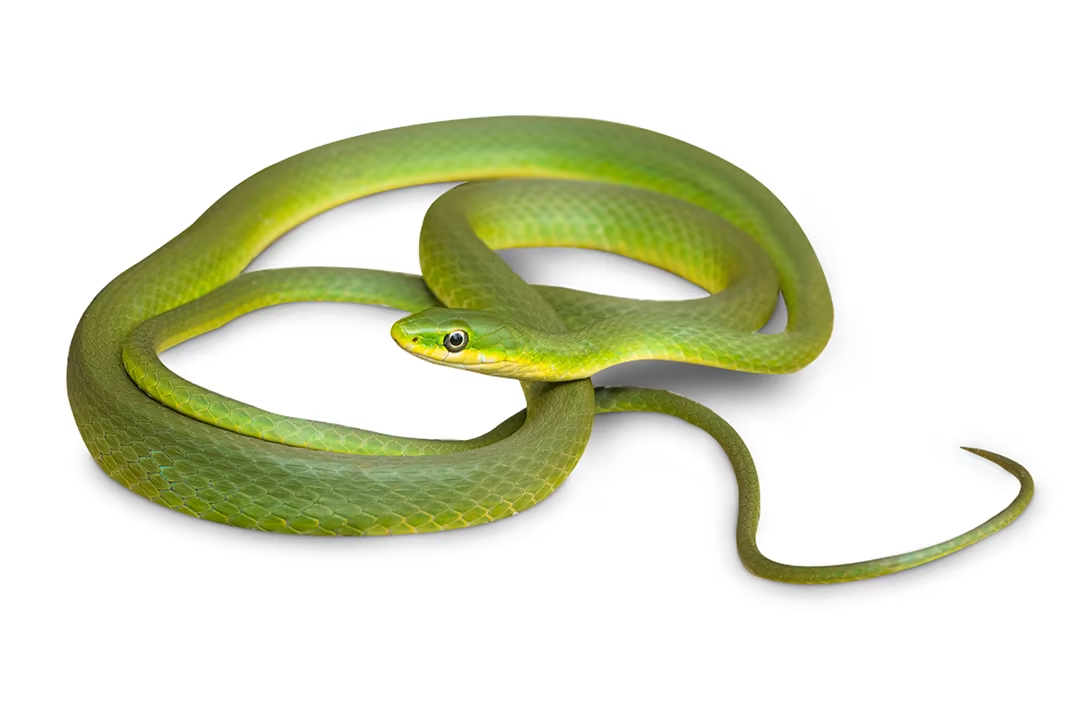
Learn how to take care of Rough Green Snakes, recommended diet and habitat. Find the right food, supplies and equipment at your neighborhood Petco.
Updated on November 13th, 2025
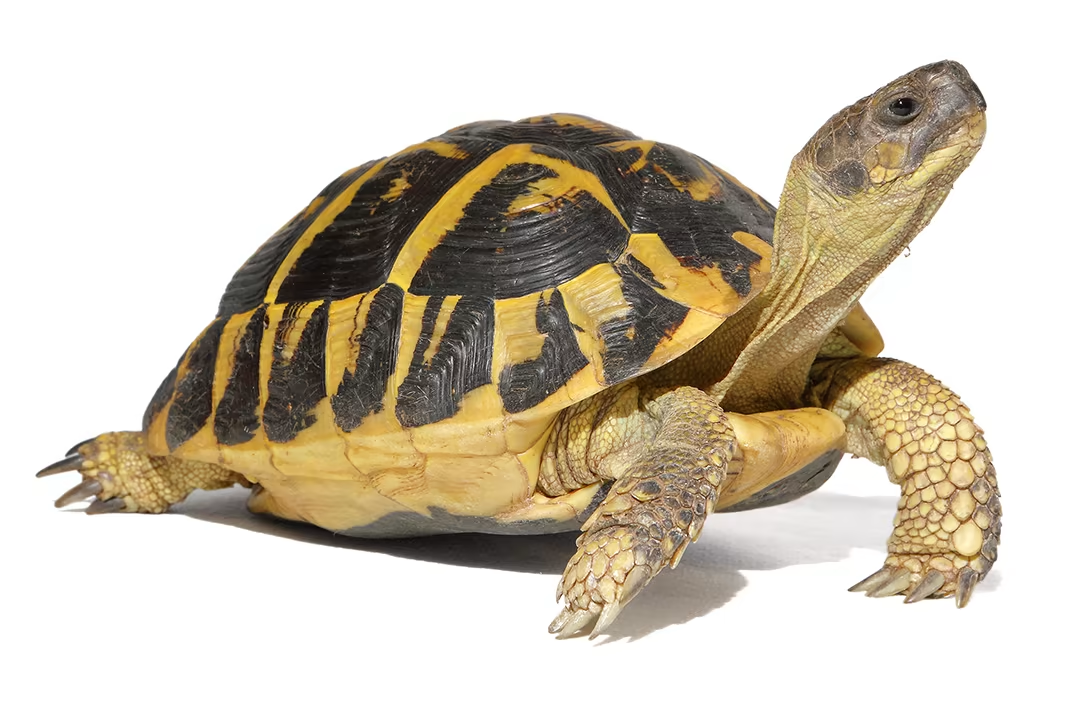
Learn how to take care of your Hermann's Tortoise, tank size, diet & habitat setup. Find the right food, supplies and equipment at your neighborhood Petco.
Updated on November 13th, 2025
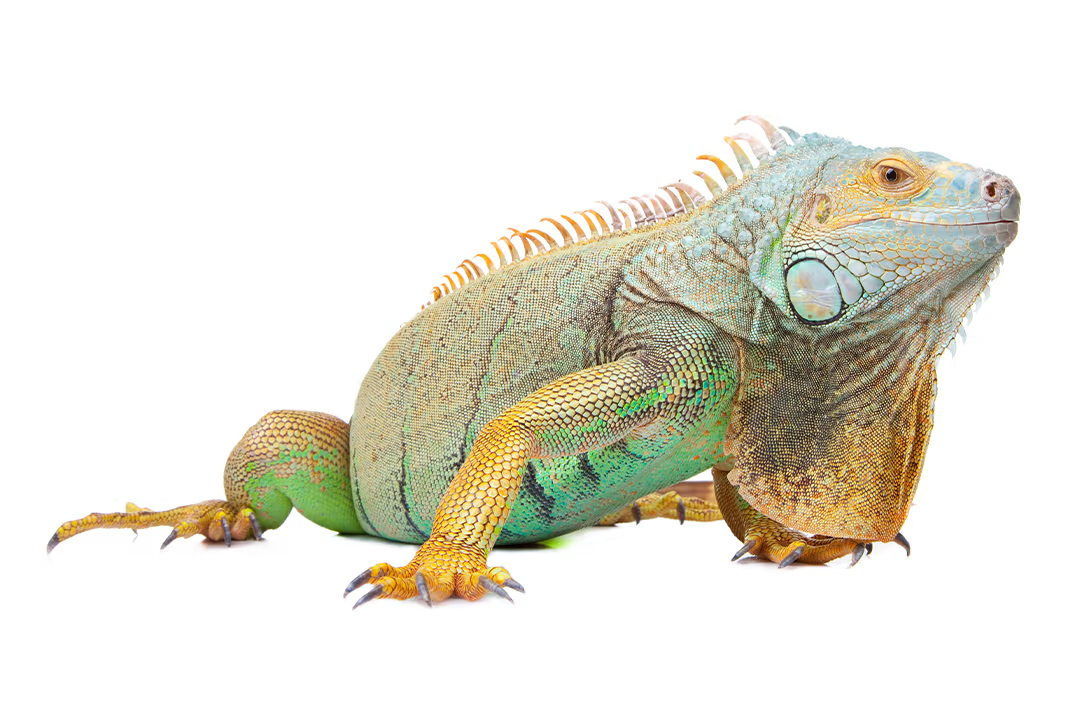
Learn how to take care of your Tropical Iguanas, recommended diet and housing setup. Find the right food, supplies and equipment at your neighborhood Petco.
Updated on November 13th, 2025
Choose the largest cage your space and budget will allow. At minimum, a 55 gallon enclosure should be considered. Acceptable substrates include slate, reptile carpet, decomposed granite or large gravel. Yes, setting up a bio-active environment for beardies is possible. It will take a bit of research and effort to get it right.
Updated on August 12th, 2025
You must treat both the environment and the pet. You can try some over the counter products but many can be ineffective if the environment is not treated concurrently. Ivermectin can be dispensed by your veterinarian to use systemically or topically. Do not treat with ivermectin without the advice of your veterinarian as it is quite easy to overdose. A 30 minute soak in a diluted Betadine bath can remove most mites and may soothe irritated skin. Remove the substrate, bag it and take it outdoors. Clean and sanitize the cage, bowls and tank furniture. You can use hot, soapy water followed by a 1:30 dilution of bleach and water followed by a thorough rinsing on the tank, bowls and non porous surfaces. Discard anything that cannot be sanitized. You may need to clean and sanitize the enclosure weekly for several weeks. The pet may need multiple treatments as well.
Updated on August 12th, 2025
Corn snakes can grow to as long as 5 feet. On average, they grow to 3-4 feet. A 10 gallon tank is too small. At minimum, a 20 gallon enclosure is recommended. A temp range of 75F-85F is best. They do not "need" a UVB light source but seem to be healthier with one. At 2 years of age, it should be eating adult mice. If it can't, feed whatever you can to get it back into a positive plane of nutrition so it can grow properly. Consider an exam with your veterinarian or an experienced herp vet to diagnose and treat any pre exiting conditions. Submit a stool sample to diagnose intestinal parasites. More information regarding care can be found here: http://www.anapsid.org/corn.html
Updated on August 12th, 2025
That's terrific news! It is great to read of your frog's recovery. Most keepers will keep a bare bottom tank. This will prevent ingestion of substrate and makes finding food easier for the frogs. It also makes it easier to keep the tank clean. Sand would be fine. If they inadvertently ingest some, it should pass easily. If you decide on gravel or river rock, make sure it it large enough to prevent ingestion.
Updated on August 12th, 2025
A silicone adhesive/sealant specifically for aquaria would be best. These are strong, durable and fish/reptile safe. You can find it in most home improvement stores. GE SCS1200 silicone is also reptile safe once cured/dried. It can also be found in home improvement stores and hardware stores.
Updated on August 12th, 2025