Two Easy Ways to Start Earning Rewards!
Earn 2X Pals Rewards points at Petco
when you use Petco Pay!
Get It Today

A few ideas to use to get your pet safely through a power outage, regardless of the time of year.
Updated on November 13th, 2025
Learn some tips and strategies that can be used to get your pet reptiles safely through a power outage regardless of the time of year.
Updated on November 13th, 2025
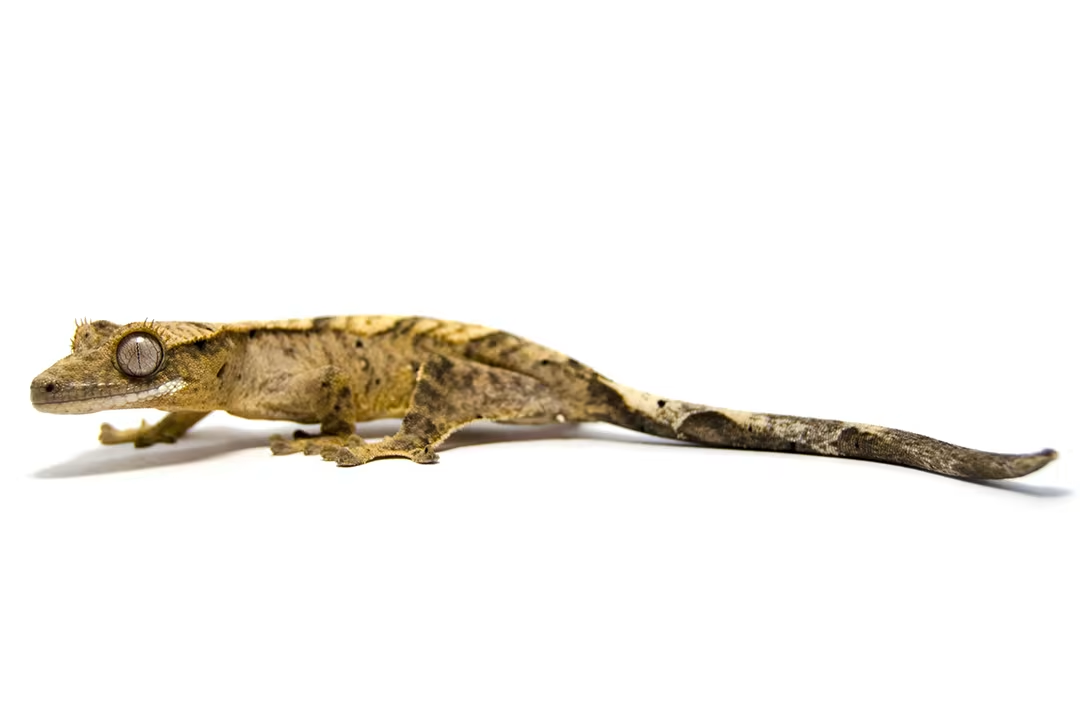
Learn how to take care of your Crested Gecko, tank size, diet & habitat setup. Find the right food, supplies and equipment at your neighborhood Petco.
Updated on November 13th, 2025
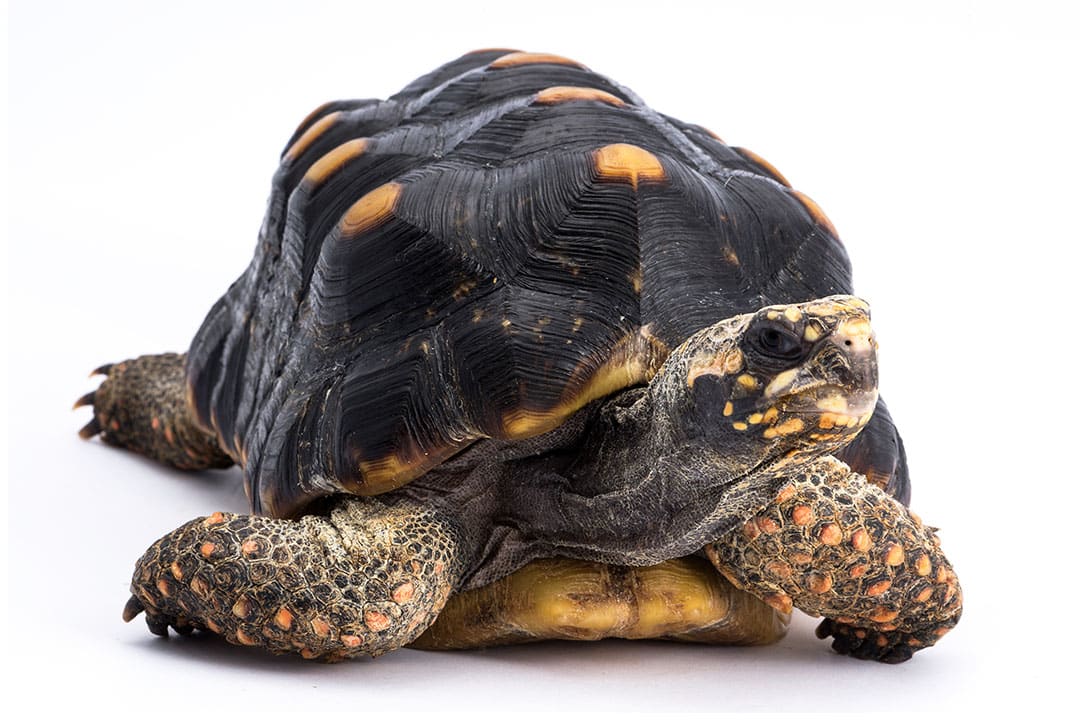
Learn how to care for tropical tortoise, recommended diet & habitat setup. Find the right food, supplies & equipment at your neighborhood Petco.
Updated on November 13th, 2025
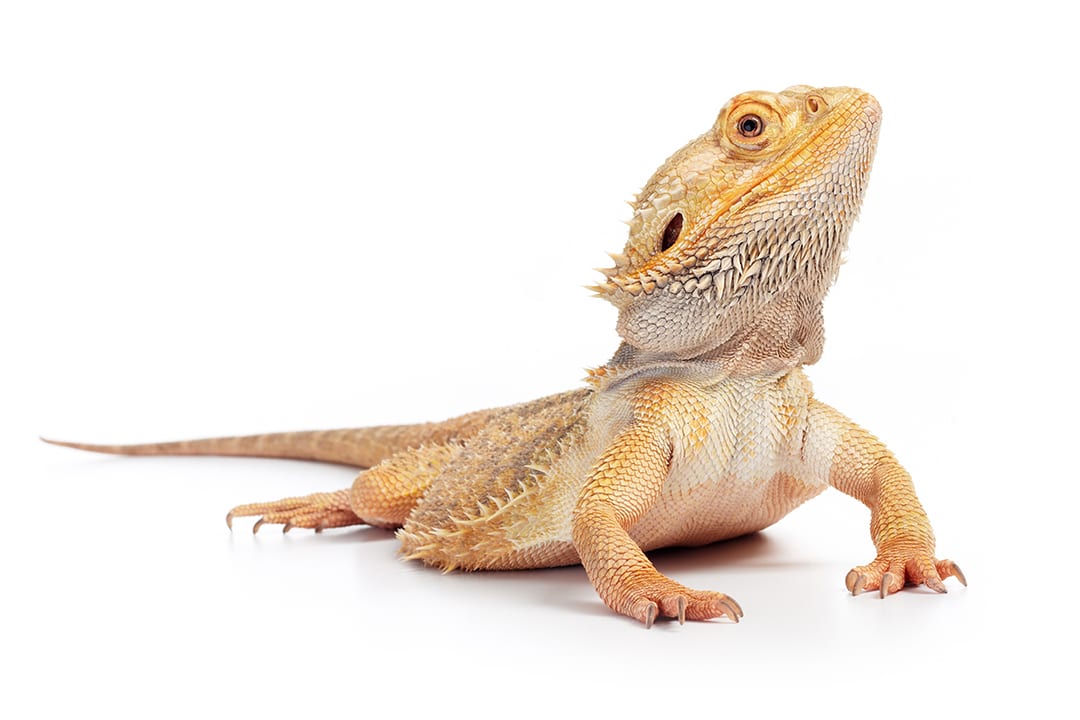
Learn how to care for a Bearded Dragon, recommended diet and habitat setup. Find the right food, supplies and equipment at your neighborhood Petco.
Updated on November 13th, 2025
Ideally, the UVB light source should run the entire length of the tank. A thermometer/hygrometer should be on each end of the tank to confirm cool and warm sides. Use a digital thermometer to verify temps. Those little ones you have can be inaccurate. Provide a hide on both sides as well. Personally, I would remove the fake grass as it has the potential to cause eye injuries. Your tank looks good otherwise.
Updated on August 12th, 2025
Hello. For the best health & living conditions for your anole, please only use products designed for them. Heating pads are dangerous & reptiles are not plants & require a very specific spectrum of light to grow in a healthy manner. In the long run, you will have less problems & metabolic health issues if you prepare a proper environment for your pet. Thanks for using Boop by Petco.
Updated on August 12th, 2025
Leopard geckos are great "starter" reptiles. They don't require special lighting (UVB) like other reptiles. A 20 gallon tank is big enough for one. Add a heat source, hides and a water bowl and you are good to go. You can review gecko care at the links below. http://www.reptilesmagazine.com/Care-Sheets/Lizards/Leopard-Gecko/ http://www.anapsid.org/leopardgek.html
Updated on August 12th, 2025
Most species of geckos, being nocturnal, do not require UVB lighting. Being cold blooded though, they do need a heat source. Your body temp will not be sufficient for good health. Replace the light/heat source with an appropriate bulb. You can easily buy one online or at most pet stores. Low temps will stress him which can lead to illness. Low temps also affect appetite activity and digestion. Sexing geckos is fairly easy. An adult male will have a bulge behind the vent that is very noticeable. You will also see a row of femoral pores shaped like a "V" in front of the vent in male geckos. Since he is going into a shed, provide a moist hide in the enclosure and/or increase the humidity temporarily. These two species look similar but there are differences. To help with identification, closely exam your gecko. Leos will lose their bands and develop spots, hence the name, as they mature. They also get much bigger than banded geckos. Leos also have rougher, bumpier skin as opposed to a
Updated on August 12th, 2025
Check the temperature in the enclosure. Low temps can affect appetite and activity in reptiles. Soak or mist him with a warm 50/50 solution of water and unflavored PediaLyte. Look in and around his mouth for any signs of infection or injury. This may include redness, swelling, discharge or bleeding. See your veterinarian or a vet experienced in treating reptiles for an exam if you see anything suspicious. Likewise, if symptoms persist or worsen, see your veterinarian. Unfortunately, the symptoms described are non specific with multiple potential causes.
Updated on August 12th, 2025