Two Easy Ways to Start Earning Rewards!
Become a member today! Members-only pricing and offers, personalized care notifications, Vital Care points back on every purchase and more!
 Become a credit card member today!
Earn 2X Pals Rewards points at Petco
when you use Petco Pay!APPLY NOWLearn More About Petco Pay Benefits
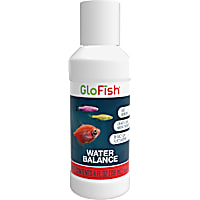
GloFish pH Treatments for Tanks
Get It Today


Related Articles & Questions
- Home & Habitat
Freshwater Aquarium Plant Maintenance Guide
Learn how to pick the right aquarium plants, substrate, lighting, and fertilizers to ensure that your aquarium plants thrive and stay healthy.
Updated on July 17th, 2026
- Care Sheets
Freshwater Semi-Aggressive Fish: Top Secrets for a Thriving Tank
Learn how to care for semi-aggressive fish, recommended diet & aquarium setup. Find the right food, supplies & equipment at your neighborhood Petco.
Updated on April 9th, 2026
- Care Sheets
How to Acclimate New Fish & Aquatic Life: Thriving Tank Guide
Acclimation helps your aquatic life adjust to the new chemistry of your tank, thereby helping ensure the health of your new addition.
Updated on October 23rd, 2025
 Home & Habitat
Fish Tank Temperature Guide: Ranges by Species
Learn general guidelines and the many factors that go into attaining and stabilizing the correct water temperature and how to acclimate your fish.
Updated on July 17th, 2026
- Care Sheets
Guppy Care: Tank Setup, Feeding, & Compatibility for Beginners
Learn how to care for Guppy fish, recommended diet & aquarium setup. Find the right food, supplies & equipment at your neighborhood Petco.
Updated on April 9th, 2026
- Health & Wellness
My Glowfish has TB. How to confirm and prevent spread to other fish?
Unfortunately there is no effective cure for mycobacteriosis in fish. Skimmer should be removed from the tank and the water of the main tank should changed gradually but completely over the next month. There are environmental factors that favor growth of mycobacterium which include low dissolved oxygen, low salinity, low pH, warmer water, and high organic loads (food feces and vegetable matter). Various antibiotics such as rifampin, erythromycin, streptomycin, kanamycin, doxycycline, and minocycline have been suggested as possible treatments, but a clinical cure is unlikely. I would suggest a check up at your local aquatic vet to confirm your suspicion and attempt a treatment.
Updated on September 24th, 2025
- Health & Wellness
How to treat dirty tap water with iron for a healthy aquarium?
Some iron is necessary for a healthy aquarium, but too much can promote algae growth or impart an unsightly yellow or orange tinge to the water. Reverse osmosis (RO) filters are deal for removing mineral and heavy metals from water but they can be prohibitively expensive. Buying RO water from a local market or pet store is also a possibility but not economically feasible if you have a large tank. The best option may be a Polyfilter, which can be purchased in the local pet store or online. These filters will remove iron or other metals/chemicals and must be changed monthly or quarterly. You can also buy a water conditioner that will precipitate out some of the iron which can then be removed by mechanical filtration. An example of just one is Rid Metals (by Kordon). Follow label directions carefully, perform regular water changes and monitor iron levels with a home test kit or by submitting a water sample for testing.
Updated on September 24th, 2025
- Vet Q & A
Goldfish fin rot: separate sick fish or treat the whole tank?
If you have another tank, it will make treatment easier. It will also preserve beneficial bacterial populations in the main tank since antibiotics may be used. The cornerstone of treatment and recovery is pristine water quality. Keep the water as clean as possible via filtration and regular partial water changes. Use only conditioned water that is temperature matched to prevent stress or shock. You can find a broad spectrum antibiotic in the aquarium section of the local Petco. Follow label directions carefully and remove the carbon filter insert during treatment if indicated. Once the fish has recovered, you can return it to the main tank. If you don't have a "hospital" tank, you can treat the main tank.
Updated on September 24th, 2025
- Vet Q & A
Why is my fish resting at the bottom and can't open its mouth?
Check the water chemistry and quality first. Elevated ammonia or nitrite levels can be toxic. Partial water changes can be done to stabilize and improve water chemistry. Use only aged or conditioned water that is temperature matched to prevent further stress or shock. For goldfish, a range of 65F to 72F is recommended. Check the filter and rinse the sponge with tank water, not tap water, to spare beneficial bacterial populations and to maintain water quality. The tank may not be large enough to support 5 goldfish. Generally, 20 gallons should be allowed for the first goldfish then a 10 additional gallons should be provided for each additional goldfish. This is due to the larger than average bio load (wastes) they produce. Consider a larger tank or decrease the number of fish in one tank. Use a filter that is rated for at least twice the volume of the tank and add an airstone and pump for increased oxygenation. Plain aquarium salt (NOT table salt). Can be used as a general tonic. It will reduce stress, improve gill function, aid in any recovery and may treat or prevent minor infection. Dissolve 1 teaspoon of salt per gallon of water in a cup of tank water and gently pour it into the tank. Treat for 10-14 days. When performing water changes, add salt only to the amount of water being replaced, not the entire tank volume.
Updated on September 24th, 2025
- Health & Wellness
My fish have growths, tattered fins, and are flashing. What's wrong?
Thanks for reaching out about your aquarium and including photos. Did you test your water quality prior to the water change? Continue to test for pH, ammonia, nitrites and nitrates. Pristine water quality is needed for health. Are any of the fish new, that could have introduced parasites? Itching/flashing can be due to water quality, external parasites, bacterial or viral infections and other causes. The white lesions on the photo could be fungal infections. A skin scrape and examination under the microscope (at a veterinarian's office) is needed for an attempt to determine a cause. Fungal infections are often secondary problems, so check water quality first. Good luck.
Updated on September 24th, 2025