Two Easy Ways to Start Earning Rewards!
Earn 2X Pals Rewards points at Petco
when you use Petco Pay!
Get It Today

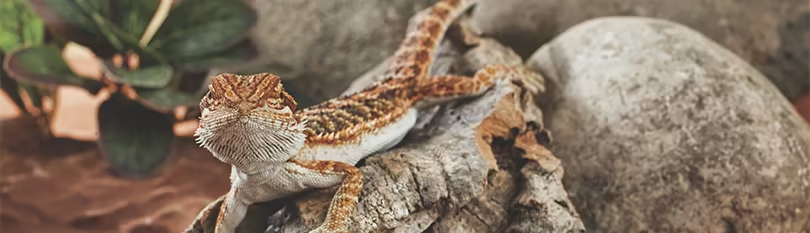
Picking the best leopard gecko substrate can be an overwhelming task; learn about some great options to help your leopard gecko live a happy & healthy life!
Updated on November 13th, 2025
Learn the importance of UVB light for your reptiles and the right reptile lights for your pet’s habitat.
Updated on November 13th, 2025
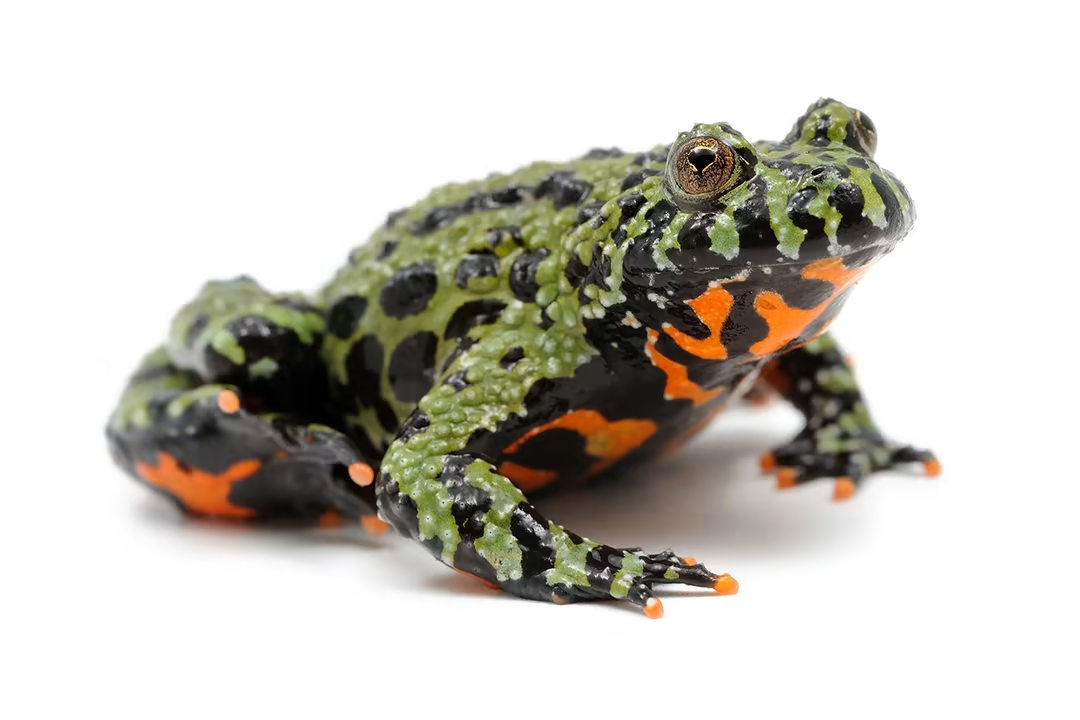
Learn how to care for Fire-Bellied Toads, recommended diet and habitat setup. Find the right food, supplies and equipment at your neighborhood Petco.
Updated on November 13th, 2025
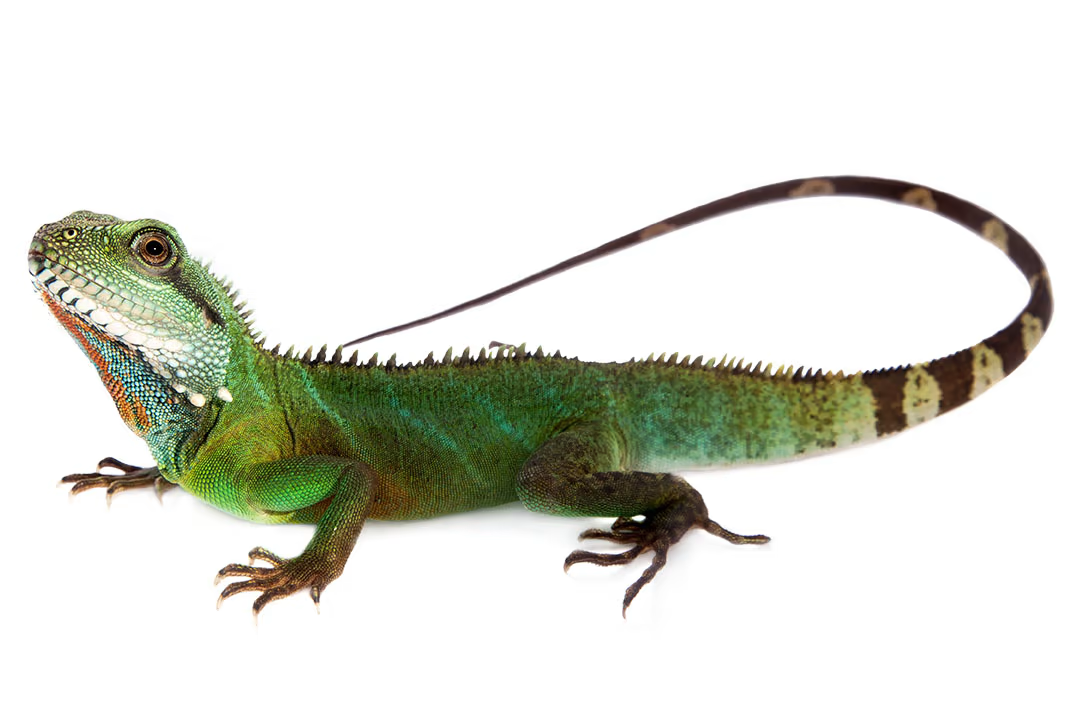
Learn how to care for tropical lizards, recommended diet & habitat setup. Find the right food, supplies & equipment at your neighborhood Petco.
Updated on November 13th, 2025
When it comes to reptile habitats, one of the most essential elements to creating a happy home for your pet is including the appropriate type of lighting. Zoo Med helps outline which lights are right for your pet.
Updated on November 13th, 2025
By your description, it could be a species of isopod. These are typically not dangerous to tank inhabitants. The best option is to empty the tank and sanitize it. Use completely new substrate and monitor humidity levels. Keep the tank clean of stool and remove any uneaten food or dead/drying plants to prevent attraction of pests.
Updated on August 12th, 2025
You must treat both the environment and the pet. You can try some over the counter products but many can be ineffective if the environment is not treated concurrently. Ivermectin can be dispensed by your veterinarian to use systemically or topically. Do not treat with ivermectin without the advice of your veterinarian as it is quite easy to overdose. A 30 minute soak in a diluted Betadine bath can remove most mites and may soothe irritated skin. Remove the substrate, bag it and take it outdoors. Clean and sanitize the cage, bowls and tank furniture. You can use hot, soapy water followed by a 1:30 dilution of bleach and water followed by a thorough rinsing on the tank, bowls and non porous surfaces. Discard anything that cannot be sanitized. You may need to clean and sanitize the enclosure weekly for several weeks. The pet may need multiple treatments as well.
Updated on August 12th, 2025
Keep her in some clean water between 68 F and 77 F. Perform daily water changes using aged or conditioned water that is temperature matched to prevent further stress or shock. Clean water is the key to treating sick frogs. Aquarium salt is a great general tonic and can treat minor infection. Dissolve 1 tablespoon in 5 gallons of water and use that for water changes. You can add conditioners such as AmQuel and NovAqua as well as some StressCoat. She should begin to improve in a few days. Offer a few pellets daily, but remove them if she doesn't eat to prevent fouling the water.
Updated on August 12th, 2025
Identification is difficult since they are so tiny and not clear in the images provided. They may have come in on substrate or plants. You can clean and sanitize the tank and bowls then replace the substrate and plants. That may solve the infestation. Monitor humidity and temp. Both are important for Billie, but both can also foster pests, bacteria and mold.
Updated on August 12th, 2025
Confirm proper environmental parameters, especially temperature. Low temps can affect appetite in reptiles and amphibians. Be sure you are offering appropriately sized prey as well. Nothing bigger than the space between the eyes. I would suggest you correct the type of pet you have in the information section. I don't think you have a tadpole if he hangs out with you on the desk. Knowing the species allows us to provide more accurate advice.
Updated on August 12th, 2025