Two Easy Ways to Start Earning Rewards!
Become a member today! Members-only pricing and offers, personalized care notifications, Vital Care points back on every purchase and more!
 Become a credit card member today!
Earn 2X Pals Rewards points at Petco
when you use Petco Pay!APPLY NOWLearn More About Petco Pay Benefits
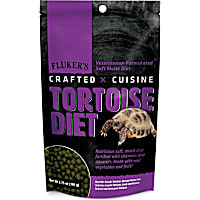
Fluker's Tortoise Food
Get It Today



Related Articles & Questions
- Care Sheets
Pet Tortoise Care: Essential Guide to Food, Habitat & Health
Learn how to care for tropical tortoise, recommended diet & habitat setup. Find the right food, supplies & equipment at your neighborhood Petco.
Updated on April 9th, 2026
- Care Sheets
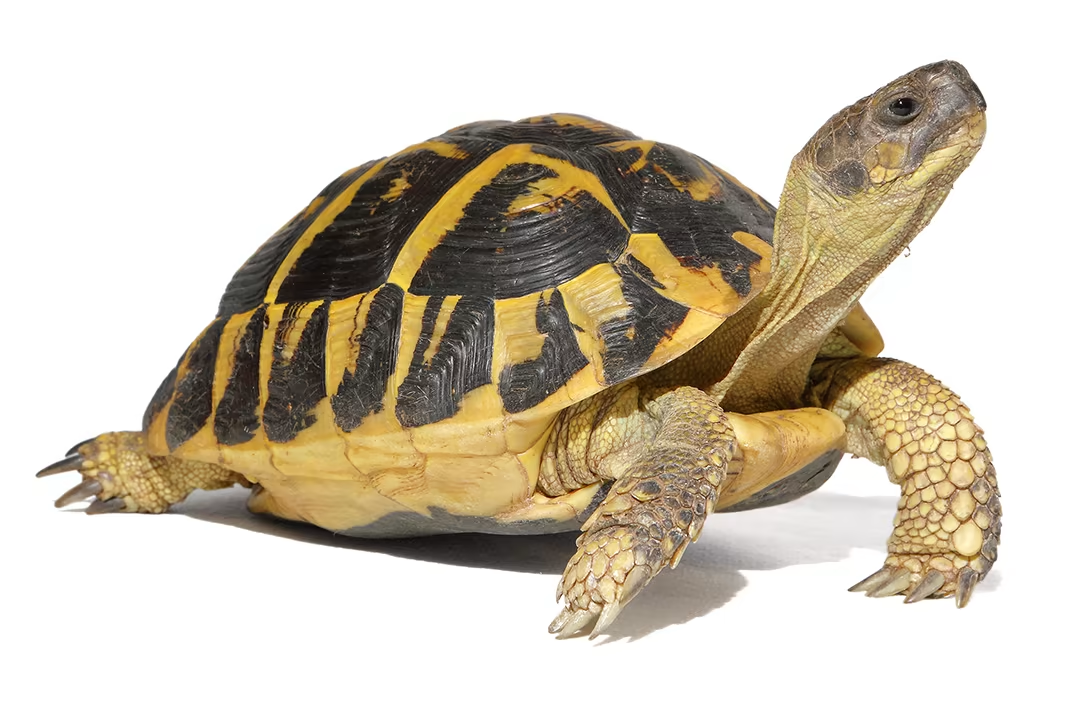
Hermann's Tortoise Care: Ultimate Guide to Habitat, Food & Health
Learn how to take care of your Hermann's Tortoise, tank size, diet & habitat setup. Find the right food, supplies and equipment at your neighborhood Petco.
Updated on April 9th, 2026
- Food & Nutrition
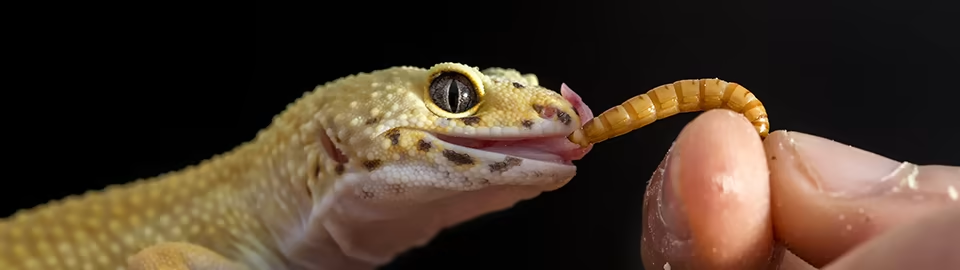
What Do Reptiles Eat? Full Feeding Guide by Species
Do you have questions about what to feed a reptile? Petco has the answers! Visit us to learn about reptile dietary needs.
Updated on July 17th, 2026
- Care Sheets
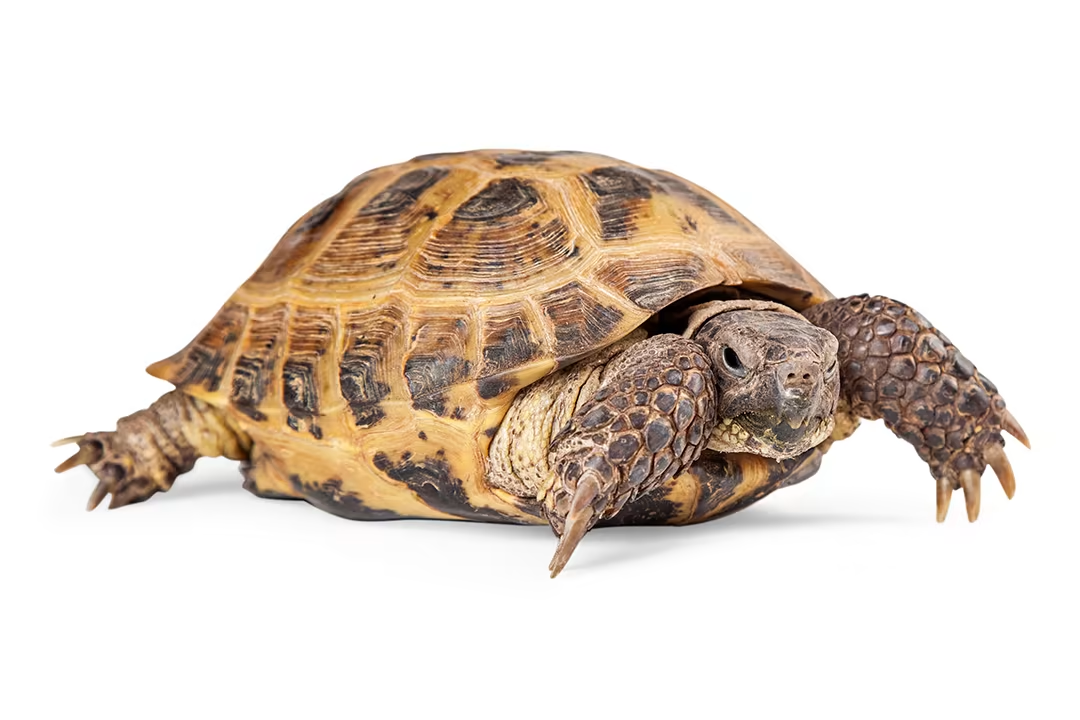
Ultimate Russian Tortoise Care: Food, Habitat & Lifespan Guide
Learn how to take care of Russian Tortoises available at Petco. Find the right food, supplies and equipment at your neighborhood Petco.
Updated on October 23rd, 2025
- New Pet
Is a Reptile Right for You? Essential Questions Before You Buy
Explore our tips about what to keep in mind when choosing the right pet reptile for your family. Consider what they need to stay happy and healthy.
Updated on October 23rd, 2025
- Health & Wellness
My turtle's shell looks split. Is her tank too small? Does she need UVB?
That hinge on her plastron (bottom shell) is normal. It is supposed to appear "split". That allows her to close up securely when she retracts her head. These turtles do not get as big as other species, but a 10 gallon tank is too small. She also needs a UVB light source. Windows will block most of the sun's beneficial rays. You can find a UVB light source in most pet stores. A popular brand is the ZooMed ReptiSun light. They are good eaters, eating a wide variety of animal protein, plant matter and commercial diets. The link below leads to a care sheet providing additional information. http://www.reptilesmagazine.com/Three-toed-Box-Turtle-Care-and-Information/
Updated on September 24th, 2025
- Food & Nutrition
My turtle's diet is dried shrimp. What should I feed for health?
Hello, & thank you for using Petco Pet Education Center, formerly Petcoach. Juvenile RES should receive commercial aquatic turtle pellets, supplemented occasionally with live fish (guppies, goldfish), & earthworms. Make sure she gets at least 15 minutes of natural sunlight weekly. Adults need 30% of diet to be the pellets & some protein like mentioned above. The krill can be offered on occasion. 70% of the diet needs to be plants in the form of chopped leafy greens, kale, romaine, mustard greens, dandelion greens, watercress, parsley, shredded carrot, frozen (thawed) mixed veggies & squash, & occasional fruit. Take care.
Updated on September 24th, 2025
- Vet Q & A
My baby sulcata tortoise has a runny nose. Should I use Reptaid?
It may provide an immune system boost and could stimulate the appetite which is important in a sick pet. Personally, I think the claims it makes as an "antibiotic" may be a bit thin. You can try it for a day or two, but if you don't see an improvement, have Tart examined by your veterinarian for a definitive diagnosis and an appropriate treatment.
Updated on September 24th, 2025
- Health & Wellness
My tortoise's shell is squishy and she won't eat or move. Help!
Thanks for reaching out about Silica. By the description, this could be a calcium deficiency or metabolic bone disease. Check and correct husbandry parameters such as environmental temperature (day/night, highs/lows, basking site/cool side), UVB exposure and diet. A veterinary visit is highly recommended, ASAP, even if you don't elect to perform any diagnostic testing. Medications can be suggested and/or provided to improve recovery. Good luck.
Updated on September 24th, 2025
- Vet Q & A
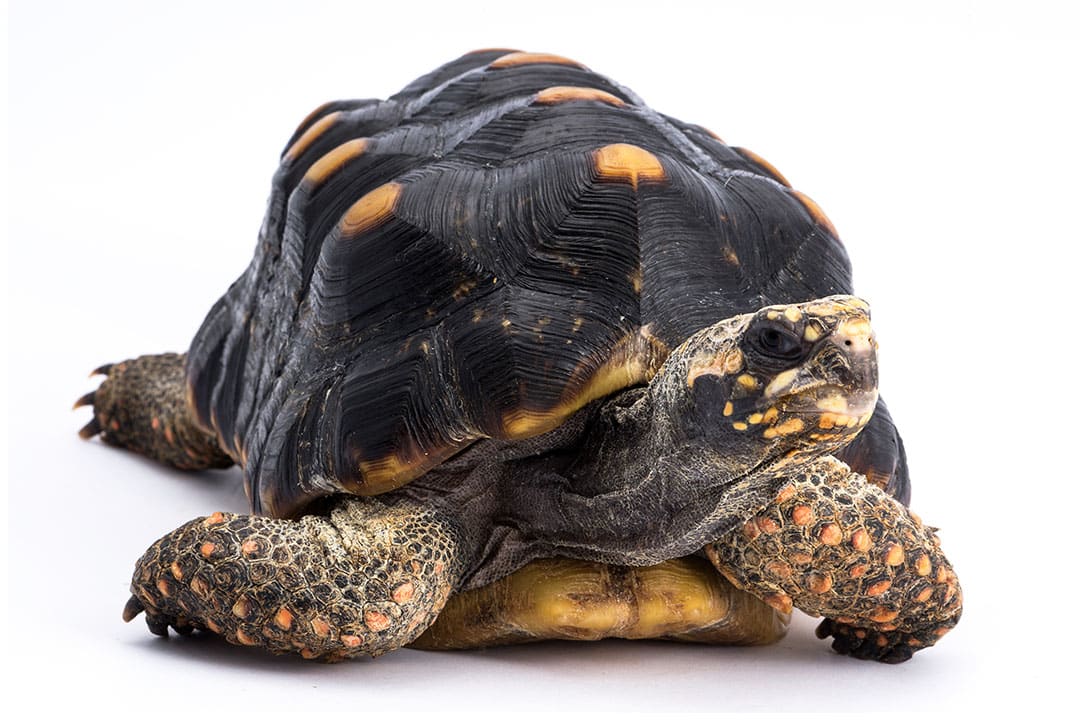
Why is my red foot tortoise lethargic with closed eyes and soft shell?
Make sure he is not chilled. Low temps can affect activity in reptiles. A Vitamin A deficiency may be responsible for the eye issues. Feed a good quality commercial diet and supplement with dark, leafy greens and fresh vegetables. Dust food with a calcium and multivitamin supplement several times weekly as well. Provide an adequate UVA/UVB light source that runs the length of the tank. Position it no more than 14 inches away from him. Do not place glass or plexiglass between him and the UVB source. Juveniles normally have a soft shell until about 6-8 months of age when it begins to harden.
Updated on September 24th, 2025