Two Easy Ways to Start Earning Rewards!
Earn 2X Pals Rewards points at Petco
when you use Petco Pay!
Get It Today
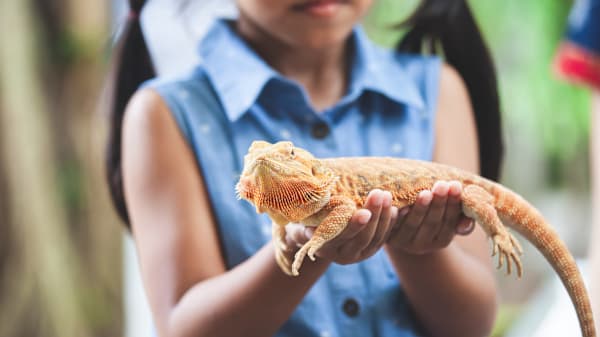
Learn some fun facts about beard dragons, available at Petco. There’s lots to learn about these fun and fascinate pets.
Updated on November 13th, 2025
Learn the signs your bearded dragon is gravid and how to care for a pregnant beardie. Also, find out if the eggs are fertile and how to care for bearded dragon eggs.
Updated on November 13th, 2025
Do you have questions about bearded dragon poop? Visit Petco.com to find all the answers about the health of your bearded dragon poop.
Updated on November 13th, 2025
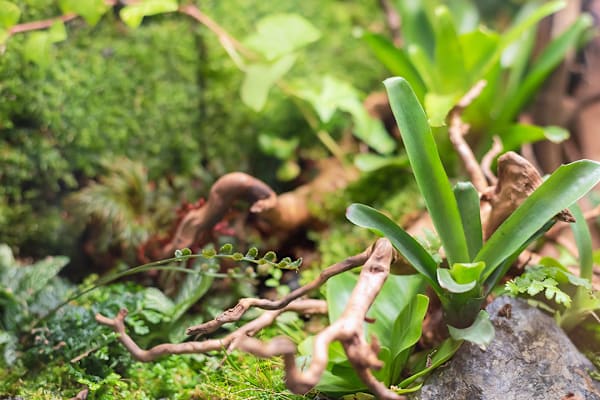
Tropical and desert terrarium plants are not only beneficial to terrestrial environments, but they also bring a more natural appearance to your reptile’s habitat.
Updated on November 13th, 2025
When it comes to reptile habitats, one of the most essential elements to creating a happy home for your pet is including the appropriate type of lighting. Zoo Med helps outline which lights are right for your pet.
Updated on November 13th, 2025
One of the most reliable sites for beardie care is found at the link below. http://www.anapsid.org/bearded.html You can find additional information here: http://www.reptilesmagazine.com/Care-Sheets/Lizards/Bearded-Dragon/ Provide heat, UVB lighting, water and a balanced diet while she recovers and beyond. Once she is healthy again, acclimate her to your presence slowly then gradually introduce her to handling by holding her for ever increasing periods of time.
Updated on August 12th, 2025
An acceptable substrate would be river rocks or large gravel. Anything smaller could potentially be ingested causing an impaction or obstruction. You could also leave the bottom bare. The basking area doesn't necessarily need substrate. A ramp out of the water leading to a simple platform is acceptable.
Updated on August 12th, 2025
The hormone is called arginine vasotocin. It is the reptile equivalent of oxytocin in mammals. Confirm she is indeed gravid (pregnant). This can be done via physical exam or x-rays by your veterinarian or a vet experienced in treating reptiles. Provide as large a lay box as possible. The substrate should be at least 10 inches deep and damp enough to tunnel into without collapse. Make it as secure and private as possible as well. Keep stress to a minimum and make sure she is eating and staying hydrated.
Updated on August 12th, 2025
Con rats on your new beardie! Conflicting information online can certainly drive you crazy. I'm not sure if you had a question or concern since the post was truncated. Juvenile beardies need temps that are a bit higher than adult dragons. As Sam gets older, you can make adjustments. For now, the basking area should range from 35C to 43C. Ambient temps should range between 29C and 32C. Nighttime temps should not drop below 22C. You can use a ceramic heat emitter at night if necessary. This is a heater that does not emit visible light which can disturb your beardie at night. Humidity levels should be 35%-40%. Beardies come from desert environments. High humidity can predispose them to respiratory infection. Use high quality thermometers and hygrometers to monitor parameters. The following links can provide great information regarding care and feeding. http://www.anapsid.org/bearded.html https://www.beardeddragon.org/index.php http://pogopogona.com/
Updated on August 12th, 2025
With that black beard, he does seem stressed. Check temps in the cage. Low temps can affect activity in reptiles. Survey the area in and around the enclosure for any negative stimuli. This may include loud noises, strong vibrations, cold drafts or high traffic. reduce or eliminate any if found. You can review dragon care at the links below. http://www.anapsid.org/bearded.html http://www.reptilesmagazine.com/Care-Sheets/Lizards/Bearded-Dragon/
Updated on August 12th, 2025