Two Easy Ways to Start Earning Rewards!
Earn 2X Pals Rewards points at Petco
when you use Petco Pay!
Get It Today
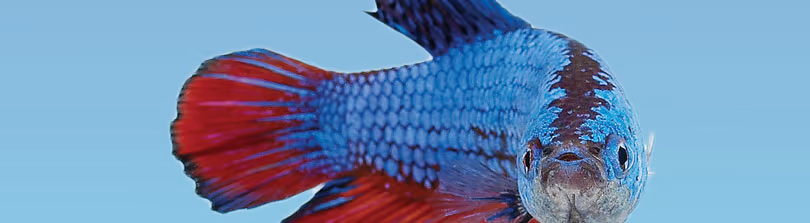
If you’re thinking of adding a betta fish to your family, learn a few fun facts about these underwater wonders.
Updated on July 17th, 2026
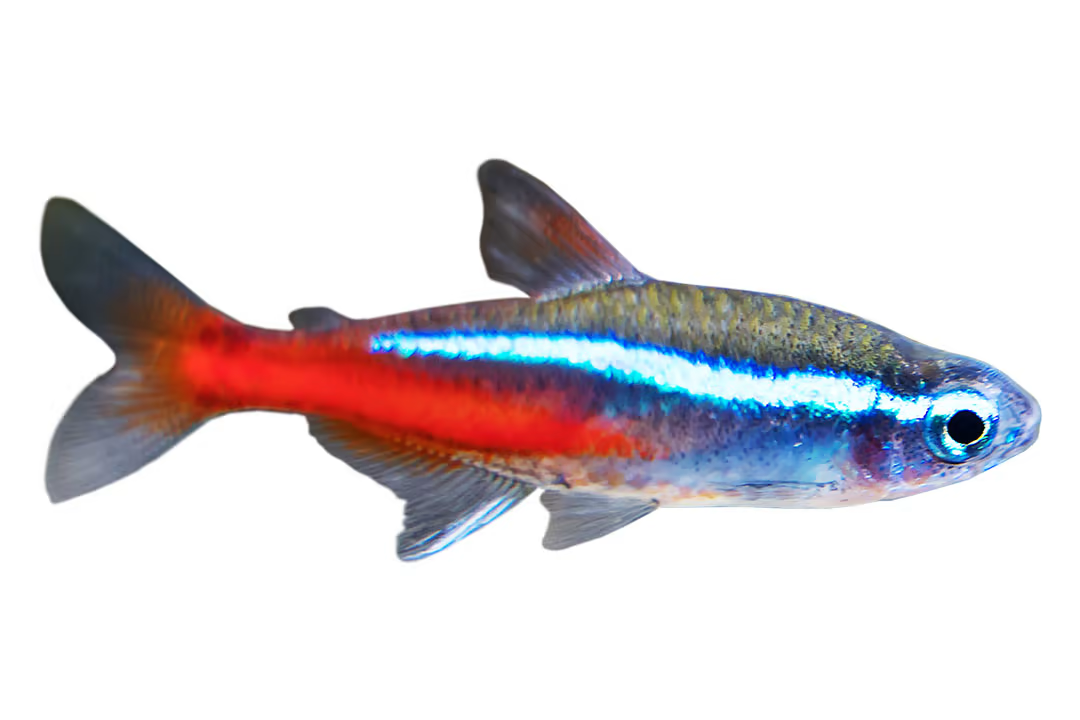
Learn how to care for a Tetra, recommended diet & habitat setup. Find the right food, supplies & equipment at your neighborhood Petco.
Updated on April 9th, 2026
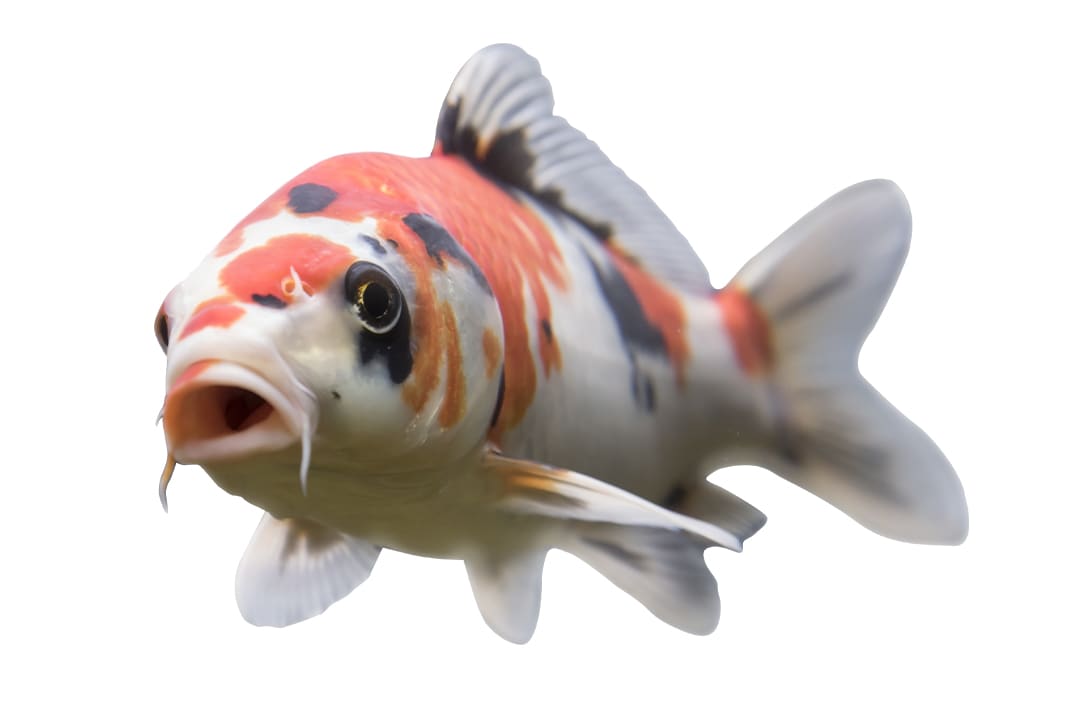
Learn how to care for a Koi, recommended diet and aquarium setup. Find Koi for sale, supplies and equipment at your neighborhood Petco.
Updated on April 9th, 2026
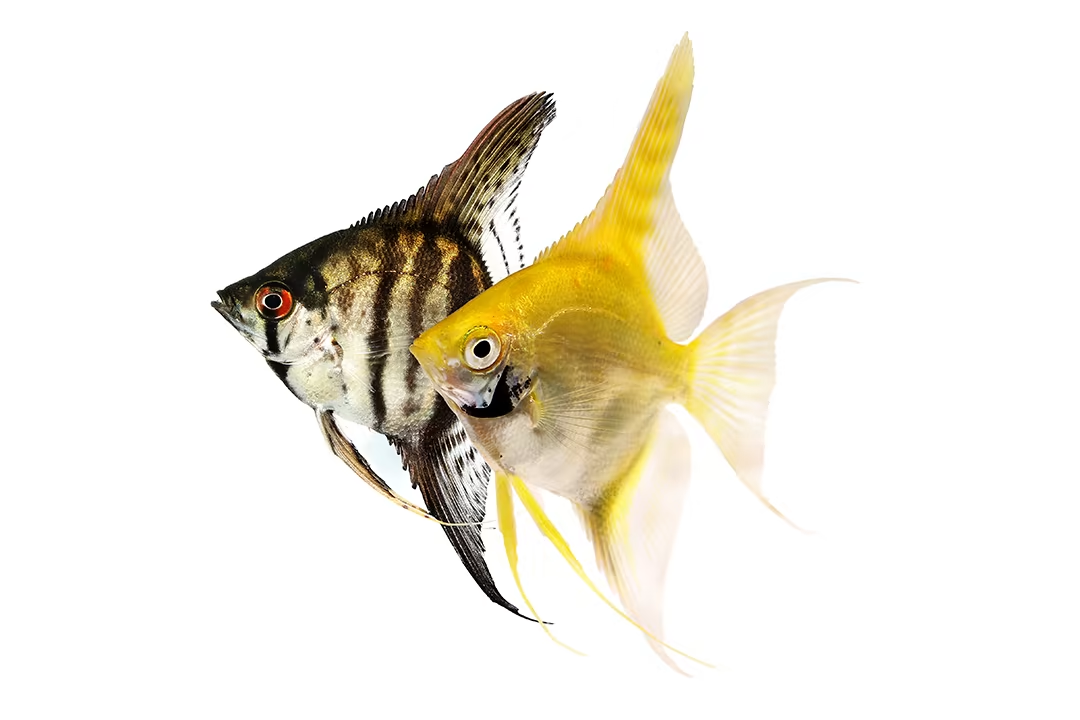
Learn how to care for angelfish, recommended diet and aquarium setup. Find the right food, supplies and equipment at your neighborhood Petco.
Updated on April 9th, 2026
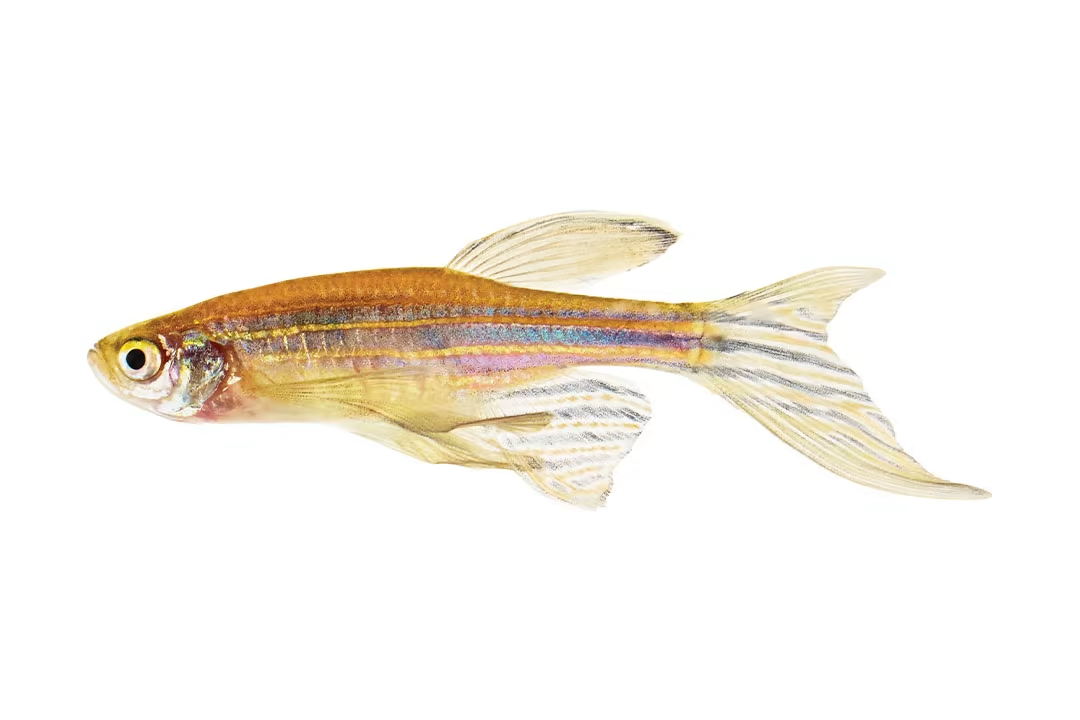
Learn how to take care of Danios, recommended diet and tank setup. Find the right food, supplies and equipment at your neighborhood Petco.
Updated on April 9th, 2026
Check water chemistry, quality and temperature. Use a home test kit or submit a water sample for testing to confirm an absence (0ppm) of ammonia and nitrites with a nitrate level of 20ppm or less. High ammonia levels may cause "burns" which may present as black spots on the scales. Most pet stores will test water for free or for a small fee. Perform a partial water change, no more than 30 percent of the total volume, to stabilize chemistry and maintain or improve water quality. Use only aged or conditioned water that is temperature matched to prevent further stress or shock. Check the water temperature as well. Bettas are tropical fish and do best between 78F and 80F. Low temps can affect digestion in fish causing constipation. Maintain water at 80F and fast for 3 days. Resume feed tiny bits of cooked and shelled green peas. Feed peas until defecation and swimming are normal. Feed a quality pelleted diet and fast him one day a week to promote regularity.
Updated on September 24th, 2025
Check water quality using a home test kit if you have one. If not, bring a water sample to the local pet or fish store. Either may test water for free or for a nominal fee. Confirm 0 ppm (parts per million) ammonia and nitrites. Nitrates should be 40 ppm or less. Partial water changes using aged or conditioned water can be done to improve water quality. Many times poor water quality can lead to stress or infection. The symptoms described may point to swim bladder disease. This can be caused by infection, constipation, stress or parasites. The red rash may indicate infection. Fast your fish for 3 days then offer bits of cooked, shelled green peas until they are swimming and defecating normally. A product such as Maracyn or Kanaplex may treat infection. You can purchase either (or generic antibiotics such as tetracycline amoxicillin or erythromycin) in the aquarium section of the local pet or fish store. Follow label directions carefully and remove the carbon filter insert if indicated during treatment. Make sure water temperature is between 78 F and 80 F, this is the optimal range for bettas.
Updated on September 24th, 2025
Confirm proper water temp. Bettas do best between 78 F and 80 F. Low temps may lead to stress and illness. You can also try a small amount of plain aquarium salt (NOT table salt). Salt can aid healing and acts as a general tonic. Use 1/2-1 teaspoon per gallon of water. Driftwood or Indian Almond Leaf can also be used to condition water.
Updated on September 24th, 2025
Check the water chemistry and water temperature. Aim for 0 ppm ammonia and nitrites with nitrates 30 ppm or below. Water temp should be between 78 F and 80 F. Add only plain aquarium salt (NOT table or Epsom salt). Add no more than 1 teaspoon per gallon and treat for 10-14 days. Lower the water level by half to make it easier for her to reach the surface. Bettas can breathe room air if necessary. Soak pellets in some garlic juice to stimulate her appetite.
Updated on September 24th, 2025
If you can adjust the filter flow, it should be fine if you turn it down. If not, you may need to use something to redirect the outflow to decrease current strength. You can use a piece of sponge or pre-filter in the intake to prevent a small fish from being drawn into the filter. Although live food is nice, it can be difficult or time consuming. Live food can be purchased online and typically includes instructions on care and feeding. Food companies all offer "micro-pellets" for smaller fish which is also an option.
Updated on September 24th, 2025