


Two Easy Ways to Start Earning Rewards!
Become a member today! Members-only pricing and offers, personalized care notifications, Vital Care points back on every purchase and more!
 Become a credit card member today!
Earn 2X Pals Rewards points at Petco
when you use Petco Pay!APPLY NOWLearn More About Petco Pay Benefits
How to Tame a Hamster: A Step-by-Step Guide
Published on January 23rd, 2024
Updated on June 18th, 2026

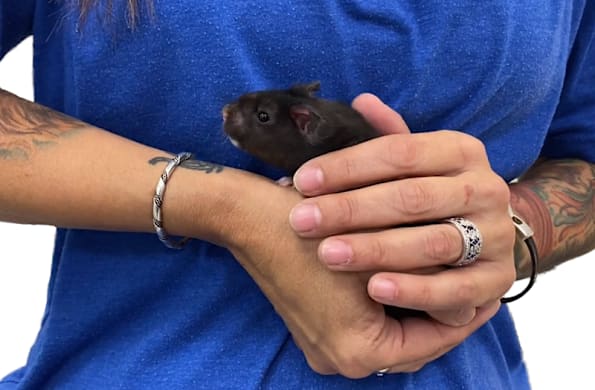
As your hamster settles into their new environment, learn how to build trust with them and pick them up with training and treats.
Bringing home a new hamster is an exciting time, but it can also be a bit stressful for your new hammie as they get used to all of the new sights, sounds, and smells. Giving your new companion time to acclimate to their new surroundings before handling—typically 3 – 7 days—will help make handling them a lot easier.
Building Trust with Treats
Observe your hamster’s behavior to ensure they are eating, drinking, playing, resting, and appear healthy. As they settle in, speak softly to your hamster and try offering them a treat from your hand so that they learn they can trust you.
- Allow them to approach you and sniff your hand and treat.
- As they become more comfortable, they will take the treat from your hand and may even climb into your hand, showing that you’re gaining their trust.
- You can also encourage your hamster to start climbing into your hand by slowly placing the treat further back on your palm so that they need to step onto your hand to reach it.
Depending on the friendliness of your hamster, you may need to repeat this process daily until your hamster is eager to interact with you.

How to Pick Up a Hamster
Picking up a hamster successfully comes down to timing, technique and patience. Follow these steps every time you reach into your hamster's home, and you'll build the kind of trust that makes handling feel natural for both of you.
Step-by-Step: Picking Up Your Hamster
Step 1: Confirm your hamster is awake. Never pick up a sleeping hamster. A hamster startled out of sleep may scream or bite — and that single unpleasant moment can set your taming progress back significantly, because your hamster will begin to associate your hand with a sudden shock rather than something positive. If your hamster is asleep, wake them gently first (see the section below).
Step 2: Approach slowly and let your hamster come to you. Place your hand flat inside the home, palm up, and hold still. If you've been practicing treat-based introductions, your hamster may walk right onto your hand or even climb up on their own. Let that happen — it's the ideal first pickup because your hamster is choosing the interaction.
Step 3: If your hamster isn't ready, use a scoop method. Not every hamster will hop aboard on day one, and that's completely normal. If you need to move your hamster — for example, to clean their home — try scooping them up inside their hideaway or the small cardboard carrier you brought them home in. This keeps your hamster feeling secure while you get the job done without forcing direct handling before they're comfortable.
Step 4: Cup your hands and lift gently. When your hamster is ready for full handling, slide both hands underneath them and cup them loosely — think of forming a small bowl with your palms. This prevents them from jumping and gives them a stable, enclosed feeling that's far less alarming than being gripped.
Step 5: Speak softly and check in before lifting. Before you bring your hamster out of their home, speak in a calm, quiet voice and use your thumb to gently stroke their back. Watch their body language: a relaxed hamster will sit still or sniff curiously. If they're freezing up, flattening or trying to back away, give them another moment before proceeding.
Step 6: Hold close to your body or over a surface. Until you're both comfortable with the routine, always hold your hamster low — close to your chest or hovering just above a table or soft surface. Hamsters can wriggle free unexpectedly, and a fall from even a modest height can cause serious injury. Keep sessions close to the ground until you know each other's rhythms well.
Step 7: Keep treats coming. Offer small treats throughout the handling session. Pairing your touch with something your hamster loves reinforces that being held is a good experience, which makes every future pickup a little easier.
How to Wake a Sleeping Hamster Safely
If your hamster is napping when you'd like to interact, resist the urge to simply reach in and grab them. Instead:
- Talk first. Speak softly near the home for 30 seconds or so before touching anything.
- Rustle the substrate gently. Move the bedding around the outside of their hideaway with a finger, giving your hamster a chance to stir naturally.
- Try a fragrant treat. Holding a small piece of a favorite treat near the entrance of their hideaway can rouse them far more pleasantly than a sudden touch.
- Wait until they're fully alert. A groggy hamster is still a startled hamster. Give them a moment to orient before you attempt a pickup.
Stay Calm — Every Hamster Is Different
Hamster personalities vary widely. Some will settle into your hands like they've always lived there; others may screech, freeze or bolt for the nearest corner. Both responses are normal, and neither means you've failed.
The most important things to remember:
- Never punish a frightened hamster. Fear is not defiance — it's just where they are right now.
- Keep sessions short and positive. End on a good moment, even if that moment is simply your hamster sniffing your hand without running away.
- Let your hamster set the pace. Consistent, calm, positive interactions build trust over time. Rushing the process almost always slows it down.
With repetition and patience, most hamsters come to genuinely enjoy time with their pet parent — and you'll feel the difference the moment your hamster chooses to climb into your hand without any coaxing at all.
Frequently Asked Questions
How long does it take to tame a hamster? Every hamster is different, but most pet parents see real progress within two to four weeks of daily, patient handling sessions. Some hamsters — especially those who were handled frequently before you brought them home — may warm up in just a few days, while shyer individuals can take a month or more. Consistency matters far more than speed: short, positive interactions every day build trust faster than occasional long sessions.
What if my hamster won't take a treat from my hand? Don't worry — this is completely normal in the first week or two. Start by simply resting your open hand flat inside the habitat without moving or reaching toward your hamster. Let him sniff you on his own terms. Once he approaches confidently, try placing a small, fragrant treat — a tiny piece of vegetable or a species-appropriate nibble — right at the edge of your palm. Patience and stillness are your best tools here.
My hamster bit me. Does that mean he'll never be tame? A bite almost always signals fear, not aggression. Hamsters bite when they feel cornered, are startled from sleep, or smell food on your fingers. Wash your hands before every session, always wake your hamster gently before reaching in, and go back to the earlier trust-building steps — hand presence, then treat offering — before attempting to pick him up again. Most hamsters who bite early in the taming process become comfortable with handling once trust is established.
How do I pick up a hamster who won't climb onto my hand willingly? If your hamster needs to be moved — for example, during habitat cleaning — scoop him up using his hideaway or the small cardboard carrier you brought him home in rather than grabbing him directly. This keeps your hand out of the equation until trust is stronger. Never chase or corner your hamster; that sets the taming process back significantly.
Is it safe for children to handle a hamster during taming? Children can absolutely participate, but always with close adult supervision and while seated close to the floor or over a low table. Hamsters are quick and a fall from even a modest height can be life-threatening for such a small animal. Teach children to use a soft, cupped-hand hold, to speak quietly, and to return the hamster to his habitat the moment he shows signs of stress — such as freezing, squeaking or attempting to scramble away.
When should I call a veterinarian about my hamster's behavior? Taming challenges are usually a patience issue, not a health issue — but behavior changes can sometimes signal illness. If your hamster suddenly becomes aggressive after previously being calm, stops eating or drinking, appears lethargic, or shows any physical symptoms alongside fearful behavior, consult your veterinarian. A hamster who feels unwell will naturally be more defensive, and ruling out an underlying health concern is always the right first step.
This article was created with assistance from AI tools and reviewed for accuracy by Petco's content team.


