


Two Easy Ways to Start Earning Rewards!
Become a member today! Members-only pricing and offers, personalized care notifications, Vital Care points back on every purchase and more!
 Become a credit card member today!
Earn 2X Pals Rewards points at Petco
when you use Petco Pay!APPLY NOWLearn More About Petco Pay Benefits
How to stop my dog from eating poop on a special low-fat diet?
Updated on September 23rd, 2025
Pet's info: Dog | Chihuahua | Female | spayed | 4 years and 7 months old | 8 lbs
Dove is on a special low fat diet for the rest of her life and we finally figured out that she eats her old poop and her sister’s poop. We noticed that the more poop she eats thats too much fat and then we have to get her probiotics to help her ease the diarrhea. We have tried to forbid to get her to stop eating poop. But that doesnt seem to be working. Is there anything else we can try? Thank you.
1 Answer
Most Helpful Answer
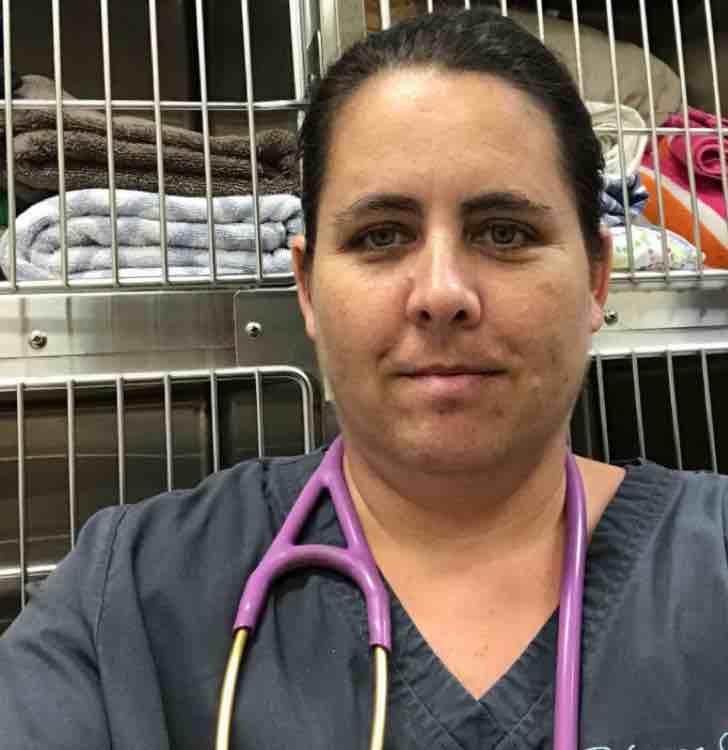
Answered By Rebecca, DVM
Veterinarian
Published on June 21st, 2018
Hi, thanks for using Petcoach. Unfortunately eating stool is a behavior problem without a simple answer. Cleaning up immediately after the dogs defecate and/or leash walking Dove may be the only viable way to prevent this. In some cases training along with deterrents such as Forbid may help, but preventing access to stool is the true solution. This article has a bit more information. https://vcahospitals.com/know-your-pet/dog-behavior-problems-coprophagia
 1Pet Parents found this answer helpful