


Two Easy Ways to Start Earning Rewards!
Become a member today! Members-only pricing and offers, personalized care notifications, Vital Care points back on every purchase and more!
 Become a credit card member today!
Earn 2X Pals Rewards points at Petco
when you use Petco Pay!APPLY NOWLearn More About Petco Pay Benefits
How to Tell If Your Dog Is Overweight
Published on March 20th, 2024
Updated on June 18th, 2026

Written by Elizabeth Anderson Lopez
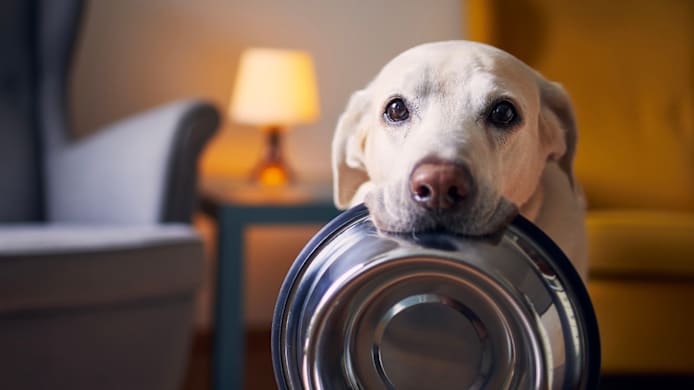
Learn how to tell if your dog is a healthy weight.
How to check if your dog is overweight?
Many dog parents search for guidance on how to tell if their dog is overweight, and with good reason. Luckily, dogs aren’t prone to the same body image issues we humans are, but maintaining a healthy body weight is one of the most effective ways to protect long-term health. Even mild excess weight strains joints, increases metabolic risk and affects quality of life. Fortunately, you can assess your dog’s weight at home using touch, observation and structured tools used by veterinarians. With support from your veterinary team and reliable resources like Petco for supplies and nutrition expertise, early action can improve your dog’s health in meaningful ways. Here’s the skinny on what you need to know.
How to Check If Your Dog Is Overweight: At-Home Assessment Methods
1. How to Feel for Ribs and Body Shape
Start with your hands — this is one of the most reliable at-home checks you can do.
Run your fingers gently along your dog's rib cage using light pressure. According to the American Kennel Club (AKC), ribs should be easy to feel without pressing hard — think of how it feels to run your fingers across the back of your hand. If you have to push firmly to detect them, that layer of resistance is likely excess fat. If ribs are impossible to feel at all, your dog may be significantly overweight.
Next, check the spine. Run your palm down the center of your dog's back. The vertebrae should be detectable but not sharp or jutting outward. A healthy spine has a smooth, subtle feel — present but well-padded without being buried.
Compare what you find against a Body Condition Score (BCS) chart published by the World Small Animal Veterinary Association (WSAVA). At an ideal weight, ribs remain palpable beneath a thin, even fat layer — not hidden, not exposed. The WSAVA BCS system is the same tool veterinarians use, and it's freely available for pet parents to reference at home https://wsava.org/global-guidelines/global-nutrition-guidelines/.
Tip: The WSAVA also publishes species-specific BCS charts for cats and horses, so if you share a life with multiple species, you're covered.
2. Observing Your Dog's Profile: From Above and the Side
Visual checks are a powerful complement to hands-on palpation. You don't need any equipment — just good lighting and a moment to look at your dog from two angles.
Top-down view: Stand directly above your dog while he stands on all four legs. Look for a visible waist — a gentle inward curve or indentation behind the rib cage. The AKC identifies this hourglass silhouette as a hallmark of a fit, healthy body condition. A dog at a healthy weight should show a clear narrowing between the ribs and hips. If the sides appear straight or bulge outward, that's a signal worth noting.
Side view: Crouch down to your dog's level and look at his profile. A dog at a healthy weight will show an abdominal tuck — the belly line rises upward from the chest toward the hind legs rather than hanging level or sagging. A belly that drops straight down or rounds outward suggests excess weight. Keep in mind that certain breeds — Basset Hounds and Corgis, for example — naturally carry their bodies lower and may show a less dramatic tuck even at a healthy weight. When in doubt, combine the visual check with rib palpation and a BCS assessment.
3. Using the Body Condition Score (BCS) System at Home
The BCS is the gold standard for evaluating a dog's weight relative to his body — and pet parents can use it at home, no veterinary equipment required https://wsava.org/global-guidelines/global-nutrition-guidelines/.
Veterinarians most commonly use the 1–9 BCS scale:
| BCS Score | What It Means | What You May Notice |
|---|---|---|
| 1–3 | Underweight to thin | Ribs, spine and hip bones visibly prominent; no palpable fat |
| 4–5 | Ideal weight | Ribs easily felt with light pressure; visible waist and abdominal tuck |
| 6–7 | Overweight | Ribs felt only with firm pressure; waist barely visible or absent |
| 8–9 | Obese to severely obese | Ribs not palpable; no waist; belly may sag; fat deposits on neck and limbs |
AKC veterinary advisors note that BCS allows a consistent way to evaluate dogs across vastly different sizes and builds — a 10-pound Chihuahua and a 100-pound Labrador Retriever can both be assessed meaningfully on the same scale. Because the system is relative to body structure rather than a fixed number on a scale, it's often more informative than weight alone.
Pair the BCS chart with your rib and spine palpation for the most complete picture. This method requires no special tools and gives you a reliable baseline to track changes over time.
4. When to Use a Scale — and How to Weigh Your Dog at Home
A household scale is all you need for dogs you can safely lift. Here's how to do it accurately:
- Step on the scale alone and note your weight.
- Pick up your dog and step back on the scale.
- Subtract your weight from the combined weight — the difference is your dog's weight.
Once you have a number, you can compare it against healthy weight ranges for your dog's breed or size class, using resources like the AKC breed standards as a general reference. However, treat that number as context, not a verdict.
Weight trends and BCS matter more than a single number. Dogs vary considerably in body composition even within the same breed. A working dog or a highly muscular breed may weigh more than a typical breed chart suggests — not because of excess fat, but because of greater muscle mass. Your veterinarian is the right person to confirm your individual dog's ideal weight target https://wsava.org/global-guidelines/global-nutrition-guidelines/.
Weigh your dog weekly or monthly to catch trends early. A gradual gain of even half a pound per month can add up significantly over a year, and spotting it early makes course-correction much simpler.
At-home weight monitoring checklist: - ☐ Weigh monthly (or weekly if actively managing weight) - ☐ Record the date and weight each time - ☐ Note any changes in appetite, activity or body shape - ☐ Share your log with your veterinarian at annual wellness visits
Petco carries a range of nutrition tools and portion-control solutions to support your weight-monitoring routine at home. If you're reassessing what goes in the bowl, exploring dry dog food options formulated for weight management is a practical next step — and keeping dog treats to no more than 10% of your dog's daily caloric intake is one of the simplest adjustments you can make right away https://wsava.org/global-guidelines/global-nutrition-guidelines/.
Understanding healthy dog weight and common causes of weight gain
Similar to the nature or nurture that goes into human traits, there are multiple factors that influence a dog’s body weight, including age and breed. Ultimately, it’s up to dog moms and dads to help ensure their pets maintain a healthy body weight.
Factors that influence ideal weight
- Breed and size: Some breeds have naturally lean builds while others are stockier. Breed guidance such as that from the AKC can offer context.
- Age: Senior dogs often lose muscle mass and may be less active. Obesity is often associated with middle-aged dogs.
- Activity level: Dogs with limited activity burn fewer calories.
- Feeding habits: Portion size, feeding frequency, treat type and amounts, and nutrient composition matter. You can find some healthy and tasty treats for your pup.
Common causes of canine weight gain
- Overfeeding: Free-feeding or eyeballing portions can easily lead to unintended weight gain. Measuring tools, slow feeders and food scales from Petco can help.
- High-calorie treats: Treats should make up no more than 10% of total daily calories, as recommended by the AKC.
- Limited exercise: Reduced physical and mental stimulation lowers caloric expenditure.
- Medical causes: Conditions such as hypothyroidism or Cushing’s disease may drive weight gain. The AKC advises veterinary evaluation if weight fails to respond to lifestyle changes. A veterinary evaluation should also be scheduled if your dog experiences any sudden, extreme weight fluctuations.
What to do if your dog is overweight: realistic next steps
Helping a dog lose weight is a journey, not an overnight transformation. Small adjustments made consistently can create meaningful results, and your goal should be steady, sustainable progress rather than rapid change. To make the process easier, we’ve outlined a clear step-by-step guide you can follow at home. These practical actions focus on manageable shifts in feeding, activity and monitoring so you can support your dog’s health without feeling overwhelmed. Even minor improvements count, and with patience, structure and support from your veterinary team and resources like Petco, most dogs can return to a healthier weight over time.
Adjusting feeding and calorie intake
- Measure portions precisely. The AKC suggests reducing daily intake by about 10% when beginning a weight-loss plan.
- Consider weight-management diets or lower-calorie formulas recommended by your veterinarian; these can help your dog eat the same amount of food instead of looking in the bowl like, “Hey! Where’s the rest?!”
- If your dog is overweight or obese, your vet may recommend a veterinary therapeutic weight-loss diet. These diets can help weight-loss and allow cutting back on calories without risking nutritional deficiencies. A veterinary prescription and supervision are required. Choose low-calorie treats, and use them sparingly.
Dr. Jonathan Stockman, DVM, DACVIM, says that successful weight loss requires keeping accurate account of food and treats given to the dog each day and monitoring body weight. “A typical weight loss rate we aim for is 1 to 2% of the dog’s body weight each week,” says Dr. Stockman. “If the dog isn’t losing weight at the desired rate, the food intake needs to be reduced.”
Petco nutrition specialists can help you compare foods and select options appropriate for weight control.
Increasing activity safely
- Add daily walks, gradually increasing duration or pace based on comfort and ability. This is an area other than the scale where you can celebrate successes; being able to walk farther is a sign your dog is getting more fit!
- Use mental enrichment activities like puzzle feeders or scent games to help burn off excess energy.
- Interactive toys can help your dog get moving while you do something together. Win win!
- Avoid abrupt shifts to intense exercise, especially for older or overweight dogs.
When to consult a veterinarian
Consult your vet if weight loss plateaus, if you suspect underlying disease, if your dog’s weight fluctuates dramatically or if your dog has a significant amount of weight to lose. Your veterinarian can set a safe goal weight and monitor progress at regular visits. Don’t have one? Petco can help!
Health risks of excess weight
Excess weight carries significant health risks. Dogs with healthy body weight and lesser food intake were found to live up to two years longer than dogs who were fed in excess. Age-related diseases were also diagnosed later in the leaner dogs. According to the AKC, overweight dogs face increased likelihood of:
- Joint problems, including arthritis and ligament injury
- Heart disease and high blood pressure
- Diabetes
- Respiratory challenges
- Liver disease, kidney complications, certain cancers and reduced longevity
Key Takeaways: Helping Your Dog Reach a Healthier Weight
Recognizing the signs of excess weight early — a waistline you can't see from above, ribs you can't easily feel, or a belly that hangs low — gives you and your veterinarian the best chance to act before health risks compound. Dogs who carry extra weight face real consequences, including added stress on joints, reduced heart and lung function, and a shorter, less active life https://wsava.org/global-guidelines/global-nutrition-guidelines/.
The good news: small, consistent changes make a measurable difference. Here's where to focus:
- Use the Body Condition Score (BCS). Run your hands along your dog's sides monthly. You should feel ribs without pressing hard, see a visible waist from above, and notice an abdominal tuck from the side. If you can't, it's time to talk to your veterinarian.
- Audit what your dog is eating — all of it. Meals, treats, table scraps, and food-based enrichment all count toward daily calorie intake. Treats should make up no more than 10% of your dog's total daily diet https://wsava.org/global-guidelines/global-nutrition-guidelines/.
- Choose food formulated for your dog's life stage and size. A dry dog food labeled for weight management or a formula recommended by your veterinarian can help support a more appropriate calorie load without leaving your dog feeling unsatisfied https://www.aafco.org/consumers/understanding-pet-food/.
- Build movement into the routine. An extra walk, a longer play session, or a few minutes of fetch adds up over weeks and months — no dramatic overhaul required.
- Partner with your veterinarian. Weight changes can sometimes signal an underlying condition like hypothyroidism. A vet visit rules out medical causes and gives you a personalized, safe plan for your individual dog.
Every dog's path to a healthier weight looks a little different. What stays the same is this: the earlier you notice the signs, the more options you have. Keep monitoring, keep adjusting, and lean on your Petco team and your veterinarian as partners along the way. Browse dog food options to find a formula that fits where your dog is right now — and where you want him or her to be.


Frequently Asked Questions
What's a healthy weight for my dog's breed? There is no single number that applies to every dog, even within the same breed. Body composition — muscle mass, bone structure and overall build — matters more than a number on the scale. Your veterinarian is the best resource for establishing your individual dog's ideal weight target. As a starting framework, veterinary nutrition guidelines recommend pairing a scale weight with a Body Condition Score (BCS) assessment to get a complete picture. [https://wsava.org/global-guidelines/global-nutrition-guidelines/]
How fast should my dog lose weight safely? A gradual, steady pace is far safer than rapid loss. Veterinary nutrition specialists typically target 1–2% of a dog's body weight per week as a sustainable rate. For a 50-pound dog, that means roughly half a pound to one pound per week. Losing weight too quickly can lead to muscle loss and nutritional gaps, so any weight-loss plan should be supervised by your veterinarian, who can adjust calorie targets as your dog progresses. [https://petnutritionalliance.org/]
Can I use the Body Condition Score chart at home without a vet? Yes — the WSAVA's 1–9 BCS chart is designed to be used by pet parents as a hands-on monitoring tool between veterinary visits. You run your fingers along the ribs, observe the waist from above and check for an abdominal tuck from the side, then match what you find to the chart's descriptions. That said, a BCS assessment at home is a screening tool, not a diagnosis. Bring your findings to your veterinarian to confirm and set a plan. [https://wsava.org/global-guidelines/global-nutrition-guidelines/]
Could a medical condition be causing my dog's weight gain? Yes. Conditions such as hypothyroidism and Cushing's disease can drive weight gain that does not respond to diet and exercise changes alone. If your dog is gaining weight despite reasonable portion control and regular activity — or experiences sudden, significant weight fluctuations — schedule a veterinary evaluation promptly. A vet can rule out underlying health issues before you adjust feeding or begin a weight-loss program. [https://www.merckvetmanual.com/management-and-nutrition/nutrition-small-animals/nutritional-requirements-of-small-animals]
How many treats can I give my dog without contributing to weight gain? Treats should make up no more than 10% of your dog's total daily calorie intake. [https://petnutritionalliance.org/] That percentage adds up faster than most pet parents expect — a few standard biscuits can represent a meaningful portion of a small dog's daily calorie budget. Opt for low-calorie treats, break larger treats into smaller pieces and count every treat as part of the daily total, not as extras on top of meals.
When should I call my veterinarian about my dog's weight? Contact your veterinarian if your dog gains or loses weight rapidly without a clear dietary cause, if a home weight-loss effort produces no measurable change after four to six weeks, or if you notice other symptoms alongside weight changes — such as increased thirst, lethargy, hair loss or changes in appetite. These signs can point to an underlying medical condition that needs professional evaluation before any nutrition adjustments are made. [https://www.merckvetmanual.com/management-and-nutrition/nutrition-small-animals/nutritional-requirements-of-small-animals]
This article was created with assistance from AI tools and reviewed for accuracy by Petco's content team.


