


Two Easy Ways to Start Earning Rewards!
Become a member today! Members-only pricing and offers, personalized care notifications, Vital Care points back on every purchase and more!
 Become a credit card member today!
Earn 2X Pals Rewards points at Petco
when you use Petco Pay!APPLY NOWLearn More About Petco Pay Benefits
How To Choose a Dog Toy
Published on March 25th, 2026
Updated on April 22nd, 2026


Written by Elizabeth Anderson Lopez
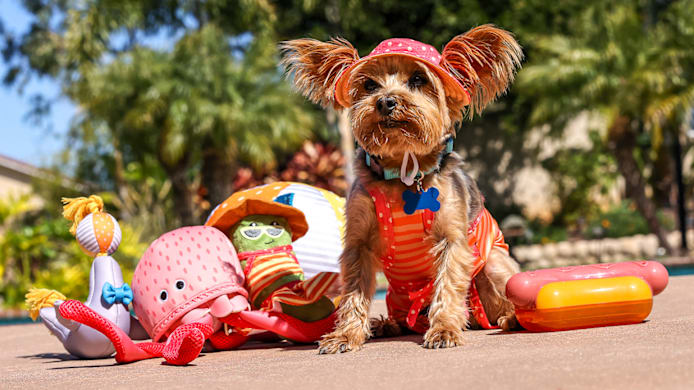
Discover how to choose a dog toy tailored to your pet’s breed, size, and personality to keep them engaged and happy.
Pupper playtime is serious business! That’s why choosing the right dog toy is more than just a fun shopping decision. The right toy supports safe play, mental enrichment and healthy behavior while the wrong one can lead to boredom, frustration and even injury. Dogs interact with toys differently based on both instinct and personality, which is why there is no single best option for every pup.
Two key factors guide smart dog toy selection. The first is breed tendencies, which can influence how dogs are wired to move, chase and chew. The second is individual play style, which determines whether your dog prefers gnawing, fetching, tugging or cuddling. This guide breaks down both so you can confidently select toys that fit your dog’s needs.
You will learn how to match toys to chewing strength, energy level and natural instincts along with how to choose toys by size, material and durability. “Chewsing” wisely means more fun for your dog with fewer potential hazards.
Understand your dog’s play style
While every dog’s personality is unique, most dogs fall into one or more toy personality categories. Identifying your dog’s style helps narrow choices quickly and prevents wasted toys that sit untouched.
Common dog toy personality types
- Power Chewers–These dogs love to gnaw and tend to destroy toys quickly. They need tough materials that hold up to constant pressure
- Fetch Fanatics–Obsessed with chasing and retrieving, these dogs thrive on movement-based toys
- Tuggers–Interactive dogs who enjoy pull games with people or other dogs
- Puzzle-Solvers–Highly curious dogs who enjoy mental challenges and problem-solving
- Cuddlers–Dogs who carry toys around, nap with them or use them for comfort rather than destruction
How to identify your dog’s play style
Watch how your dog interacts with their toys over time.
- Notice which toys are interacted with frequently versus ignored
- Observe what excites them most: chasing, chewing, shaking or squeaking
- Pay attention to whether they prefer independent play or interactive games
Many dogs enjoy more than one style, which is why rotating different toy types helps keep playtime engaging.
Choose dog toys by breed group
If you aren’t sure how to get started, your dog’s breed or mix might prove helpful. Many dogs who share a breed also share some similar tendencies, but they are not guarantees. Personality always matters more than breed alone.
Sporting and working breeds
Examples: Doberman Pincher, Golden Retriever, Labrador Retriever. These breeds are energetic and task-driven and often enjoy toys that combine movement with strength.
Best toys:
- Fetch balls
- Flying discs
- Tug toys
- Durable rubber toys
Herding breeds
Examples: Australian Shepherd, Border Collie, Corgi. Mental stimulation is just as important as physical exercise for these dogs.
Best toys:
- Puzzle toys
- Interactive treat toys
- Herding-style balls
Terrier breeds
Examples: Jack Russell Terrier, Scottish Terrier, West Highland Terrier. Terriers are curious and tenacious, which makes toys with movement or hidden elements especially appealing.
Best toys:
- Squeaky toys
- Burrowing toys
- Small tug toys
Toy breeds
Examples: Chihuahua, Pomeranian, Yorkie. Smaller jaws and bodies require scaled-down toys that are easy to carry and manipulate.
Best toys:
- Plush toys
- Mini squeakers
- Lightweight chew toys
Bully and power breeds
Examples: English Bull Terrier, American Pit Bull Terrier, Boxer, Rottweiler. Durability is essential to prevent breakage and accidental ingestion.
Best toys:
- Heavy-duty rubber toys
- Reinforced rope toys
- Long-lasting chew toys
Pick the right toy material
Material matters just as much as shape and size. Choosing the right material helps reduce wear while increasing engagement.
- Rubber is durable and ideal for chewers and treat stuffing
- Nylon provides long-lasting chewing satisfaction for strong jaws
- Plush offers comfort and light play for gentle dogs
- Rope supports tug games and provides mild dental engagement
- TPR (thermoplastic rubber) and specialty materials combine flexibility, bounce and durability for interactive play
Consider age and energy level
A dog’s needs change throughout their life, which means their toys should change, too. As your pup ages, you may notice them gravitate toward different toys.
Puppies
Best toys:
- Teething toys
- Soft rubber chews
- Lightweight toys for developing coordination
Adult Dogs
Best toys:
- Durable chews
- Interactive toys—the interaction can be between your dog and the toy or add you to the mix
- Fetch and tug toys that match their energy levels
Senior Dogs
Best toys:
- Softer chew toys
- Gentle puzzle toys
- Lightweight fetch toys that don’t tax the joints
Petco offers age-specific toy options that make it easier to match toys to your dog’s life stage.
Safety tips for choosing dog toys
This is an area where, again, playtime is serious business. When your dog has the wrong toy, it can cause boredom and even injuries. When in doubt, remove damaged toys immediately.
- Choose the right size (no choking hazards)
- Avoid toys that easily splinter
- Supervise interactions with new toys
- Rotate toys to prevent boredom
- Wash toys regularly
Takeaways
The best dog toy depends on a combination of breed tendencies and individual personality. Matching toys to chewing style, energy level and age improves both safety and engagement. Durable materials, proper sizing and regular toy rotation help keep playtime fun and enriching. When you understand how to choose a dog toy thoughtfully, you create safer play experiences and stronger bonds with your dog.
Related Articles


Frequently Asked Questions
Durable rubber and nylon chew toys designed for power chewers are typically the best choice.
A toy should be large enough that your dog cannot swallow it but small enough to carry comfortably.
Puppies need softer, teething-safe toys designed for developing teeth and gums.
Replace toys when they show signs of damage, missing pieces or excessive wear.