


Two Easy Ways to Start Earning Rewards!
Become a member today! Members-only pricing and offers, personalized care notifications, Vital Care points back on every purchase and more!
 Become a credit card member today!
Earn 2X Pals Rewards points at Petco
when you use Petco Pay!APPLY NOWLearn More About Petco Pay Benefits
Can Dogs Eat Beans? Safe Types & How to Serve
Published on January 19th, 2023
Updated on June 16th, 2026

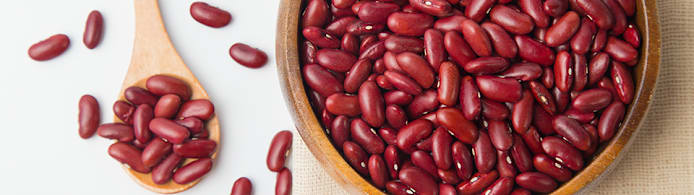
Do you have any questions if you can you give beans to a dog? Visit Petco for answers to these & other questions!
Yes, most types of beans are considered safe for dogs to consume in small amounts when they’ve been properly cooked and prepared. However, you should always consult your veterinarian before introducing any new foods to your dog’s diet—and that includes beans. Beans are legumes and they can be found in commercially available dog food. While they offer health benefits, it’s important to remember that beans should be considered an occasional treat, not a staple part of your dog’s regular diet. All treats combined should make up no more than 10 percent of your dog’s daily calories, otherwise there is a risk of nutritional imbalances.
Types of beans dogs can eat
Here’s a list of some beans that are appropriate to serve dogs when cooked without any potentially toxic ingredients such as onions or garlic, or ingredients that may be too much for their diet such as salt.
- Black beans
- Pinto beans
- Kidney beans
- Garbanzo beans
- Soybeans
- Lima beans/Butter beans
- Lentils
If beans are part of your regular diet and your dog begs for them, you may wonder, “Can dogs eat beans?” When plainly cooked, the beans listed above are typically considered safe for dogs to eat, but there are some techniques and precautions to keep in mind. Your dog should get all the nutrition they need from a high-quality, nutritionally balanced dog food. Beans also need to be cooked and prepared in specific ways to help avoid gastrointestinal upset and/or toxicity from added ingredients. Additionally, there are some beans that you should avoid giving your dog altogether, including fava beans.
Can dogs eat canned beans?
No, dogs can’t eat canned beans. Canned beans contain a lot of sodium and preservatives that aren't good for a dog's digestive system. Most canned beans contain high levels of salt, as well as calcium chloride, an inorganic salt, used to keep beans firm. Disodium EDTA—a common ingredient in canned beans that preserves color, adds a salty flavor and reduces leeching metal ions from the can—has also been found to cause stomach issues in humans when consumed in high doses.
Health benefits of beans for dogs
Beans are full of protein, antioxidants, vitamins, minerals and fiber. These legumes have a low glycemic index, meaning they don’t raise blood sugar quickly when you eat them. The high fiber content in beans helps slow the digestive process and stabilize blood sugar levels.
Beans are full of other nutrients, too.
- Antioxidants May help reduce inflammatory tissue damage associated with type 2 diabetes, arthritis, heart disease and cancer
- Iron is incorporated into red blood cells that carry oxygen throughout your pet’s body
- Magnesium Supports enzyme reactions in the body, including those that synthesize protein, contract muscles, regulate blood sugar and control blood pressure
- Potassium An electrolyte that supports bone, muscle and nerve health
- Protein Provides vital amino acids to build lean muscles, ligaments, tendons, cartilage, skin and hair
- Vitamin A Promotes eye and heart health
- Vitamin C Helps boost the immune system
With all of that said, beans aren’t essential for your dog’s diet. Your pet already gets everything they need from their regular, high-quality nutritious dog food. The high protein paired with high fiber content also comes with potential risks. Like humans, dogs can get gassy or experience diarrhea if they eat too many beans. Moderation is key for any type of food you feed your pet. Portions should only ever be treat sized and you should always start with an even smaller amount than what you think your dog might enjoy. You’ll also need to monitor your pup for signs of gastrointestinal upset. If your dog experiences no gastrointestinal upset after trying beans, they can be offered as an occasional treat in small amounts.
How to feed beans to your dog
Consult your veterinarian for approval before adding beans to your dog’s treat rotation. If your veterinarian gives you the OK, make sure you follow proper instructions. Never feed raw or seasoned beans to your dog as they can be harmful.
If you’re starting with raw beans, soak them overnight before cooking. Once cooked, mash them up. Dogs can eat too quickly—especially when trying new foods—and a mashed version might slow them down. Spices can cause gastrointestinal issues, like bloating and gas, and we’ve already established that ingredients like onions, garlic and excessive salt can be toxic.
Can dogs eat refried beans or other beans from a can? Your dog should pass on canned and refried beans because they are typically high in sodium and preservatives and might also contain unnecessary and potentially harmful ingredients for your canine companion. Avoid baked, refried or chili beans because the added ingredients can be dangerous for dogs.
Featured Dog Food and Treats with Beans
If you'd like to work beans into your dog's diet without the prep work, a growing number of commercial dog foods and treats use legumes as a wholesome ingredient — offering fiber, plant-based protein and complex carbohydrates alongside other balanced nutrition. Here's what to look for and how to shop smart.
What to Look for on the Label
Before picking up any bag or pouch, scan the ingredient list and the nutritional adequacy statement. The Association of American Feed Control Officials (AAFCO) sets the standards that define whether a dog food is complete and balanced for your pet's life stage https://www.aafco.org/consumers/understanding-pet-food/. A food that lists beans or lentils as an ingredient should still meet those standards — beans are a supporting ingredient, not a nutritional shortcut.
A few things worth checking:
- Named protein source first. Chicken, beef, salmon or another animal protein should appear before any legume in the ingredient list, since dogs are omnivores who thrive on a diet anchored by animal protein https://www.merckvetmanual.com/management-and-nutrition/nutrition-small-animals/nutritional-requirements-of-small-animals.
- AAFCO nutritional adequacy statement. Look for "complete and balanced" language for your dog's life stage (puppy, adult or all life stages).
- Whole legumes vs. legume fractions. Whole black beans, chickpeas or lentils tend to deliver more fiber and nutrients than heavily processed legume flours or concentrates.
- No added salt or seasonings. Commercial foods formulated for dogs should never contain onion, garlic or excess sodium — the same rule that applies when you prepare beans at home.
A note on grain-free and legume-heavy diets: The FDA has been investigating a potential link between certain grain-free diets high in peas, lentils and other legumes and dilated cardiomyopathy (DCM) in dogs https://www.fda.gov/animal-veterinary/animal-foods-feeds/pet-food. Research is ongoing. If you're considering a grain-free formula that features legumes prominently, talk with your veterinarian before making the switch.
Types of Products That Commonly Feature Beans
| Product Type | How Beans Typically Appear | What to Watch For |
|---|---|---|
| Dry dog food (kibble) | Lentils, peas or chickpeas as a carbohydrate and fiber source | Check legume position in ingredient list; consult your vet on grain-free formulas |
| Wet dog food (canned/pouch) | Black beans or kidney beans blended into stews and broths | Confirm no added salt, onion or garlic |
| Soft-baked treats | Chickpea flour or pea protein as a base | Treats should make up no more than 10% of your dog's daily diet |
| Freeze-dried or dehydrated treats | Whole lentils or peas as a crunchy ingredient | Ideal for dogs who do well with high-fiber snacks |
Shop Petco for Bean-Inclusive Options
You don't have to search far. Petco carries a wide selection of dry dog food options — including formulas that incorporate legumes as part of a balanced recipe — so you can compare ingredients, life-stage suitability and brand philosophy all in one place. Browse the full dog food assortment to filter by protein source, life stage and dietary preference, or explore dog treats if you're simply looking for a bean-based snack to complement your dog's current meals.
When in doubt about which formula is the right fit — especially if your dog has a sensitive stomach, a history of digestive issues or a condition that affects nutrient absorption — your veterinarian is your best resource for a personalized recommendation https://wsava.org/global-guidelines/global-nutrition-guidelines/.
Frequently Asked Questions
Can dogs eat black beans? Yes — plain, cooked black beans are generally considered safe for dogs in small amounts. Serve them mashed and unseasoned, without onions, garlic or salt, and offer only a treat-sized portion. All treats combined should make up no more than 10% of your dog's daily calories to avoid nutritional imbalances. https://petnutritionalliance.org/
Can dogs eat kidney beans? Yes, cooked kidney beans are on the safe list for dogs. Raw kidney beans, however, contain high levels of phytohaemagglutinin (a naturally occurring lectin) that can cause serious gastrointestinal distress — always soak dried kidney beans overnight and cook them thoroughly before offering any to your dog. https://www.aspca.org/pet-care/animal-poison-control
Can dogs eat green beans? Plain, cooked or raw green beans are widely regarded as a dog-friendly vegetable and are lower in calories than most treats — but green beans are not the same as legume beans covered in this article. Always serve them plain, with no added salt, butter or seasonings, and check with your veterinarian before making them a regular part of your dog's diet.
Can dogs eat canned beans? No. Canned beans are high in sodium and typically contain preservatives such as calcium chloride and disodium EDTA that are not appropriate for dogs. Stick to dried beans that you soak overnight and cook plain at home. https://www.fda.gov/animal-veterinary/animal-foods-feeds/pet-food
How much beans can a dog eat? Beans should be treated as an occasional treat, not a dietary staple. All treats combined — beans included — should account for no more than 10% of your dog's total daily caloric intake. Start with a very small amount the first time, monitor your dog for gas, bloating or diarrhea, and increase only if no gastrointestinal upset occurs. When in doubt, ask your veterinarian for portion guidance specific to your dog's size and health status. https://petnutritionalliance.org/
Are any beans toxic or dangerous for dogs? Yes. Fava beans (broad beans) should be avoided entirely, as they have been associated with adverse reactions in dogs. Baked beans, refried beans and chili beans are also off-limits because they routinely contain onions, garlic, excessive salt and other seasonings that can be harmful or toxic to dogs. If you suspect your dog has eaten something toxic, contact your veterinarian or the ASPCA Animal Poison Control Center immediately. https://www.aspca.org/pet-care/animal-poison-control
Safe vs. Unsafe Beans for Dogs: A Quick-Reference Guide
Not all beans are created equal when it comes to your dog's wellbeing. Use this table to quickly identify which beans can be offered as an occasional treat and which ones to keep out of your dog's bowl entirely. When in doubt, always check with your veterinarian before sharing any new food with your dog.
| Bean Type | Safe for Dogs? | Notes |
|---|---|---|
| Black beans | ✅ Yes — when plain and cooked | Good source of protein, fiber and antioxidants; serve in small amounts only |
| Pinto beans | ✅ Yes — when plain and cooked | Nutritious occasional treat; avoid canned versions high in sodium |
| Kidney beans | ✅ Yes — when fully cooked | Raw kidney beans contain phytohaemagglutinin (a natural toxin); must be soaked and thoroughly cooked before serving |
| Garbanzo beans (chickpeas) | ✅ Yes — when plain and cooked | Offer plain only; hummus and seasoned preparations are off-limits |
| Soybeans (edamame) | ✅ Yes — when plain and cooked | Plain, shelled and cooked only; avoid salted or flavored varieties |
| Lima beans / Butter beans | ✅ Yes — when plain and cooked | High in fiber; introduce slowly to reduce risk of gas and digestive upset |
| Lentils | ✅ Yes — when plain and cooked | Frequently used in commercial dog foods; serve plain with no added seasonings https://www.aafco.org/consumers/understanding-pet-food/ |
| Fava beans (broad beans) | ❌ No | Can cause vomiting, diarrhea and other adverse reactions in dogs; avoid entirely https://www.aspca.org/pet-care/animal-poison-control |
| Canned beans (any variety) | ❌ No | High sodium content and preservatives such as calcium chloride and disodium EDTA are not appropriate for dogs https://www.fda.gov/animal-veterinary/animal-foods-feeds/pet-food |
| Refried beans | ❌ No | Typically contain salt, garlic, onion and added fats — all potentially harmful to dogs |
| Baked beans | ❌ No | Often contain sugar, onion, garlic and sometimes xylitol — a sweetener that is toxic to dogs https://www.aspca.org/pet-care/animal-poison-control |
| Chili beans | ❌ No | Prepared with onion, garlic, spices and chili peppers that can cause serious gastrointestinal distress |
| Seasoned or flavored beans (any) | ❌ No | Onion and garlic — common seasonings — are toxic to dogs regardless of the bean variety https://www.aspca.org/pet-care/animal-poison-control |
| Raw beans (any variety) | ❌ No | Raw beans can be difficult to digest and some, like raw kidney beans, contain natural compounds that are harmful before cooking |
Key safety reminders: > - All treats — beans included — should make up no more than 10% of your dog's daily calories to avoid nutritional imbalances. https://petnutritionalliance.org/ > - Always introduce any new food in a very small amount first and monitor your dog for signs of gastrointestinal upset such as gas, bloating or loose stools. > - If you suspect your dog has eaten something toxic, contact your veterinarian or the ASPCA Animal Poison Control Center immediately. https://www.aspca.org/pet-care/animal-poison-control
This article was created with assistance from AI tools and reviewed for accuracy by Petco's content team.
-
Canidae Pure Grain Free Limited Ingredient Senior Real Chicken, Sweet Potato & Garbanzo Bean Dry Dog Food
-
Canidae PURE Grain Free Petite Small Breed Fricassee Style Dinner with Turkey & Green Beans Wet Dog Food
-
Solid Gold Fit & Fabulous Chicken, Sweet Potato & Green Bean Weight Control Grain Free Adult Dog Food with Superfoods
-
Nutro Premium Loaf Healthy Turkey, Sweet Potato & Green Bean Recipe Adult Canned Wet Dog Food
-
Solid Gold Grain-Free & Gluten-Free Mighty Mini with Cold Water Salmon, Lentil & Green Bean Recipe Adult Dry Dog Food
-
Applaws Taste Toppers Chicken Breast with White Beans, Peas & Pumpkin in Gravy Wet Dog Food


FAQs about feeding your dog beans
None of them. Raw beans contain phytohemagglutinin—often referred to as lectin—a protein that is known to be toxic to dogs. Washing and cooking the beans removes enough of the toxin so dogs can enjoy small portions of plain, cooked beans.
Now that you know some beans are OK, you might be wondering which ones aren’t. Here is a list of beans that your dog shouldn’t consume.
Fava beans
Refried beans
Baked beans
Chili beans
In addition, don’t prepare beans with salt, garlic, onion, tomatoes, preservatives or any other toxic ingredients if you’re planning on sharing them with your dog.
Canned beans tend to have a high sodium content and may contain dangerous/toxic ingredients for dogs. However, canned beans in water without any extra ingredients are ok for your dog. While refried beans are a staple of Mexican food dishes and some people think that a Fourth of July barbeque just isn’t the same without baked beans, you should avoid giving them to your pup. If you love these types of canned beans, you may wonder, “Can dogs eat refried beans?” or “Can dogs eat baked beans?” The answer is no.
While many humans love salt, spices and preservatives, they’re not suitable for dogs. When dogs overeat salt, they can suffer from dehydration and sodium ion poisoning. Refried, baked and chili beans also contain other ingredients toxic to dogs, such as garlic and onions. Baked beans have high sugar content, which may increase the risk of upset stomach and obesity.