


Two Easy Ways to Start Earning Rewards!
Become a member today! Members-only pricing and offers, personalized care notifications, Vital Care points back on every purchase and more!
 Become a credit card member today!
Earn 2X Pals Rewards points at Petco
when you use Petco Pay!APPLY NOWLearn More About Petco Pay Benefits
Vizsla
Updated on June 17th, 2025

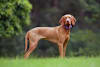

The Vizsla is an athletic, people-loving dog who enjoys the outdoors and staying close to family. Energetic and emotionally sensitive, they do best with daily exercise, gentle training, and plenty of together time, making them devoted companions for active pet parents.
Temperament
Affectionate, Energetic, Loyal
AKC-Recognized Colors
Golden Rust, Golden, Red, Sandy Yellow, Rust
 WEIGHT
44 - 60 Pounds
 HEIGHT
21 - 24 Inches
 LIFE EXPECTANCY
12 - 14 Years
Maintenance Level
Low Maintenance
High Maintenance
Friendliness
Reserved
Extroverted
About Breed
Vizslas are very active and love the outdoors. From the hiking trail to the competition ring, these affectionate and athletic dogs enjoy any chance to burn off energy. If you can’t devote at least an hour per day to exercise with your Vizsla, this might not be the breed for you. For the right owner willing to train and take care of a member of this breed, the Vizsla offers a loyal companion on long walks, mountain paths, beach runs, or wherever you choose to take them.
Origin: Hungary
Other Names: Hungarian Vizsla, Magyar Vizsla, Hungarian Pointer
Sporting Group
Dogs of the AKV Sporting Group are naturally active and alert and make likeable, well-rounded companions. Dog breeds in the Sporting group are usually remarkable for their instincts in water and woods, and many of these breeds actively continue to participate in hunting and other field activities. Potential owners of Sporting dogs need to realize that most require regular, invigorating exercise.
Breed Appearance
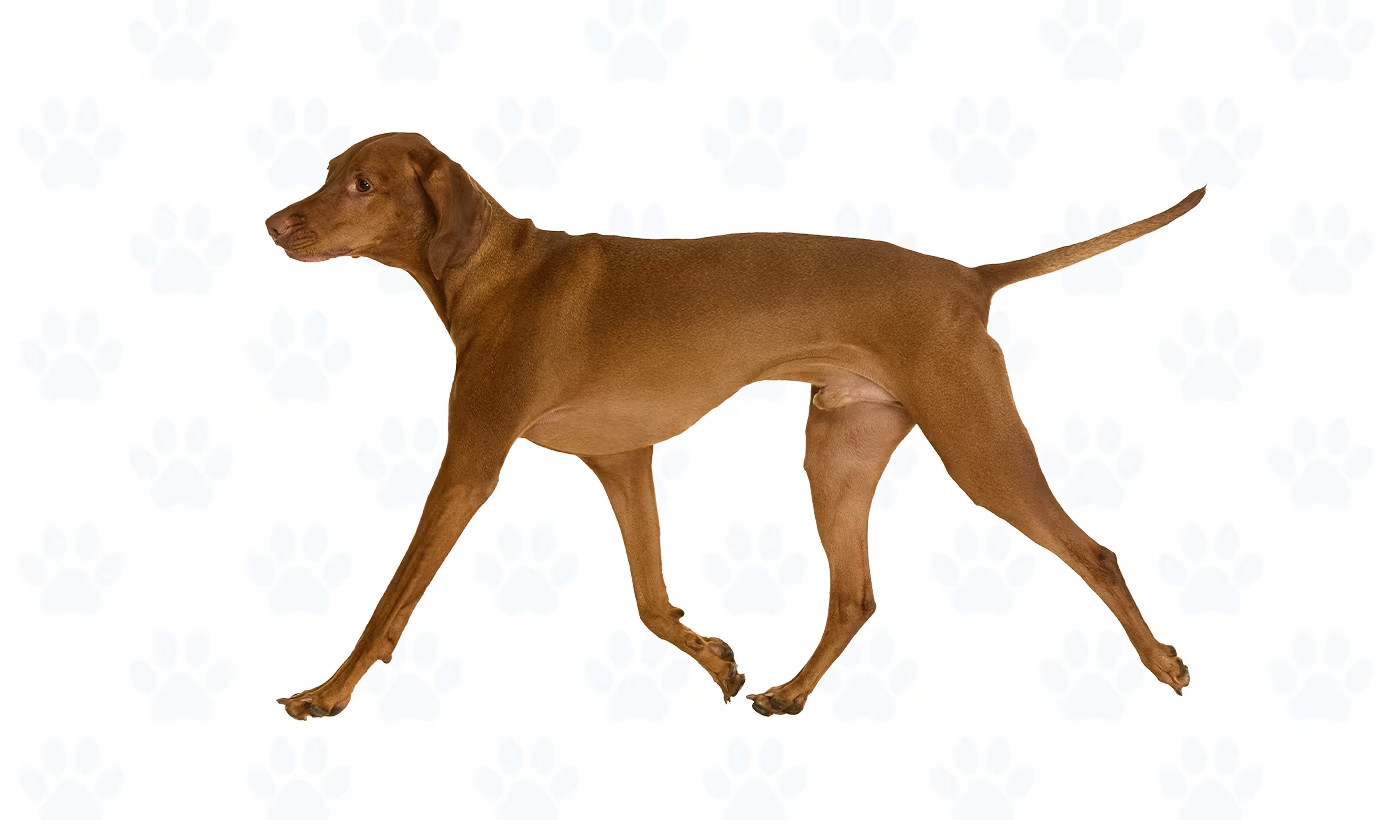
Vizslas are short-coated and muscular dogs with a medium build. They are built light enough to travel long distances, but Vizslas have well-defined muscles and a strong body. Vizslas have a traditional pointer head with a golden rust coat. Some refer to the Vizsla coat as copper, brown, or sandy, but the American Kennel Club recognizes a single standard color, golden rust. Other non-standard colors often seen at breeders around the United States are golden, rust, red golden, red, rust golden, and sandy yellow. There are no standard markings, but white markings are common in non-standard Vizslas. The AKC standard defines their coat as smooth, short, dense, and lying close to the body. Vizslas usually lack an undercoat completely. Since they are self-grooming dogs, Vizslas don’t need much intervention on your part to maintain a healthy and clean appearance.
Size & Weight
The Vizsla is a medium-sized dog. Adult males can grow to be 60 pounds and measure 22-24 inches tall. They possess a strong, athletic body with a big heart and lots of energy to burn.
Full Grown
Female
23 in. / 55 lbs.
Male
24 in. / 60 lbs.
Height is measured up to the shoulders.
Characteristics
- Size & Coat
- Lifestyle
- Training & Behavior
How to Care for a Vizsla
Caring for a Vizsla means supporting their active body and deeply people-focused nature. With consistent exercise, positive training, balanced nutrition, and routine health and grooming care, these affectionate dogs can thrive as happy, engaged companions.
How to Care
Cost of Owning
Savings & Rewards
Unlock exclusive rewards with Petco Perks. Plus, members get 35% off their first Autoship order and 5% off all future orders.

Enjoy exclusive rewards on expert rated and pet parent approved products, like member prices, extra points and special offers designed to help you save on what your pet needs.

Get your pet’s essentials delivered on your schedule so you never run out and save up to 35% on your first order, then 5% on every order after that.
Your love story starts here.
Find adoptable pets near you with a simple search.
Fun Facts
Vizslas have a close cousin called the Wire-haired Vizsla. They are a separate breed that came from a desire for a heartier cold weather version of the Vizsla. A Vizsla and a German Wire-haired Pointer mixed to form the new breed in the 1930s.
The Vizsla is one of the recognized national symbols of Hungary. Many Hungarians own Vizslas with a sense of national pride and deep respect for the storied history of the breed.
Radio personality Baba Booey and former White House Press Secretary Dana Perino own Vizslas.
History
The Vizsla comes from Hungary and in fact, outdated early Hungarian historical records. The breed is likely descended from the dogs of Magyar people in the Carpathian Basin of ancient history. Vizslas found work as war dogs, hunting dogs, and companion animals to wealthy barons and war lords. The purity of the bloodline was guarded closely by these early royal families. They truly loved their Vizslas and took great pride in their hunting abilities.
Other European breeds and the World Wars caused the Vizsla to lose popularity and even threatened their existence in some cases. After WWII, Hungarian breeders searched the entire country for prime breeding dogs but only managed to find twelve remaining. Through a successful breeding program and surprise popularity in post-war America, the Vizsla came back to be one of the top thirty dog breeds today. From the first Vizsla arriving in 1951 to AKC recognition in 1960 and beyond, the Vizsla remains a popular breed here in the US and around the world.