


Two Easy Ways to Start Earning Rewards!
Become a member today! Members-only pricing and offers, personalized care notifications, Vital Care points back on every purchase and more!
 Become a credit card member today!
Earn 2X Pals Rewards points at Petco
when you use Petco Pay!APPLY NOWLearn More About Petco Pay Benefits
Anemone Care Guide: Tank, Food, & Compatibility for Experienced Aquarists
Updated on January 23rd, 2024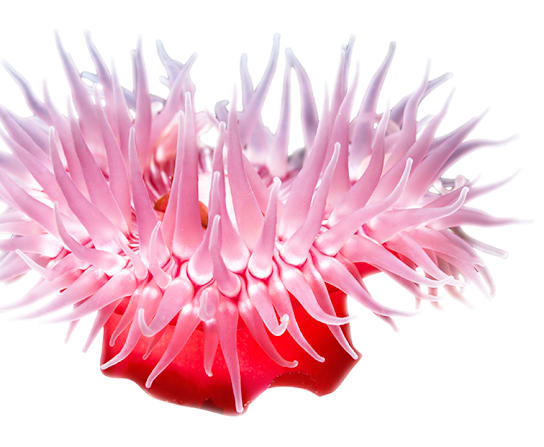
Scientific names Condylactis gigantea, Entacmaea guadricolor, Stichodactyla gigantea, Macrodactyla doreensis, Heteractis crispa
- Sea anemones are beautiful invertebrates found in tropical reefs. The tips of their tentacles house stinging cells called nematocysts, which contain a venomous toxin, and neurotoxin, which is used for defense or to stun potential prey that comes within reach. Avoid direct contact with anemone tentacles, as they are venomous. People with strong reactions to bee stings may react similarly to contact with anemone tentacles. Recommended for experienced marine aquarists only
Anemones are beautiful invertebrates found in tropical reefs. Their tentacles are venomous, and stun potential prey that comes within reach. Many Anemones have developed a mutually beneficial relationship with clownfish and with some marine crabs. Recommended for experienced marine aquarists only.
Includes a variety of anemone, including:
- Condylactis anemone
- Bubble anemone
- Carpet anemone
- Long tentacle anemone
- Haitian anemone
- Sebae anemone
Typical appearance and behavior
- Multiple tentacles arranged around the mouth.
- Many anemones have developed a mutually beneficial relationship with clownfish and some marine crabs
- Attach to rocks and other surfaces with a specialized adhesive foot
- Very sensitive to rapid changes in their environment; require excellent water conditions to survive
Characteristics
| Care Difficulty | Intermediate to advanced, depending on species |
|---|---|
| Average Life Span | Depends on species |
| Average Adult Size | 4-48 inches across, depending on species |
| Diet | Carnivore and photosynthetic |
| Minimum Habitat Size | 29+ gallons |
| Water Temperature | 74-80°F |
| Specific Gravity | 1.023-1.025 |
Habitat
Habitat size
An aquarium of 29 gallons or larger, depending on species, is recommended to provide enough room to thrive. As some anemone species grow quickly and can get quite large, ensure you research each individual species’ needs when determining aquarium size.
Building your habitat
- Water health - Provide proper filtration to ensure optimal water quality to help maintain health. Moderate water circulation should be provided to mimic water currents found in the anemone's natural habitat. Stable water quality (pH, ammonia, nitrate, nitrite) and water temperature are critical to the health of aquatic life. If you are unsure of your water quality, bring a sample to Petco for free testing. The addition of a protein skimmer can aid with maintaining great water quality and high dissolved oxygen levels. An aquatic heater should be used to stabilize water temperature, ensuring it does not fluctuate more than +/- 2 degrees in a 24-hour period. The specific gravity should remain stable. Do not allow specific gravity to fluctuate more than +/- .001 in a 24-hour period.
- Lighting - Full-spectrum lighting is essential for the health of the photosynthetic zooxanthellae cells living in the tissue of anemones
- Décor - Live rock and sand can provide a stable location for the anemone to attach to while also enhancing biological filtration
Feeding
What to feed your anemone
A well-balanced anemone diet consists of:
- Small amounts of frozen food such as mysis shrimp, brine shrimp or silversides as well as freeze-dried krill
Things to remember when feeding your anemone:
- Feed once or twice a week; larger anemones need more frequent feeding
- Thaw frozen food before feeding
Anemone care
- Water care:
- Maintaining great water quality with regular water changes and adequate filtration is important to the health of aquatic life
- Daily: Test specific gravity, check filter, water temperature and other equipment
- Weekly: Test water quality at least once a week
- Weekly to monthly: Change 10 to 25 percent of the total volume of water every two to four weeks, or as needed. Change filter media monthly.
- Keep anemones away from the aquarium heater
- Copper-based medications are toxic to anemones
- Avoid overcrowded conditions, as this is a major cause of stress and disease.
Where to buy
Anemones are available for purchase at Petco online and in-store, availability varies by location. If visiting your local location, call ahead to check availability.
Supplies
- Appropriate size aquarium
- Appropriate food, dry and frozen
- Décor
- Water conditioner
- Filter
- Water test kit
- Full-spectrum lighting
- Net
- Thermometer
- Protein skimmer
- Marine substrate
- Heater
- Refractometer
- Live rock
Tank mates
- Introduce new inhabitants to the aquarium gradually
- Depending on species, compatible with species of clownfish, damsels and cardinals; check species-to-species compatibility before purchase
- Anemones may eat smaller fish, urchins, crabs and other roaming invertebrates
Health
Signs of a healthy animal
- Securely attached to chosen surface
- Responds to food or touch
- Healthy appetite
- Fully expanded
- Mouth closed
Red flags (If you notice any of these signs, contact your local aquatic specialist or veterinarian.)
- Loss of color
- Loss of appetite
- No response to stimuli
- Shrunken tentacles
- Does not maintain an upright position
- Remains closed up for more than 24 hours
- Abnormal discharge coming from mouth
- Mouth gapping open
Common health issues
- Little is known about diseases that affect invertebrates; as long as environmental conditions and food supplies are adequate, invertebrates are fairly resistant to disease. Coral bleaching can be a concern with anemones. Bleaching can be triggered by drastic environmental changes from items like excessive lighting to large swings in temperature. An anemone experiencing bleaching may be corrected if environmental conditions are corrected and the anemone continues to eat
FAQs
- What is an anemone? Anemones are predatory marine animals, similar to jellyfish, but they do not swim
- What do anemones eat? In nature, anemones are predatory, feeding on plankton and fish. In the aquarium, you can provide frozen food such as mysis shrimp, brine shrimp or silversides as well as freeze-dried krill
- How do you feed an anemone? Using feeding tongs or a syringe, food can be offered directly into the mouth of the anemone
- How do sea anemones reproduce? Anemones can reproduce by budding or breaking a small fragment from the foot. These small tissues split off and develop into a new anemone. Some are capable of splinting in half, forming another anemone
- Is a sea anemone an animal? Sea anemones are marine animals and close relatives to jellyfish and corals
- Clownfish
- Soft Coral
- Hard Coral
Notes and sources
Ask a Pet Care Center associate about Petco's selection of products available for the care and happiness of your new pet. All products carry a 100% money-back guarantee.
Because all aquatic life are potential carriers of infectious diseases such asatypical mycobacterium and salmonella, always wash your hands before and after handling your aquatic life or habitat contents to help prevent the potential spread of disease.
Pregnant women, children under the age of 5, senior citizens and people with weakened immune systems should contact their physician before purchasing or caring for aquatic life and should consider not having aquatic life as a pet.
Go to cdc.gov/healthypets for more information about aquatic life and disease.
The information on this Care Sheet is not a substitute for veterinary care. If you need additional information, contact your veterinarian as appropriate.
Related Articles


