UTI Support Cat Food
Shop our most popular brands



Get It Today




Related Searches
Urinary Health Cat Food for a Happier, Healthier Cat
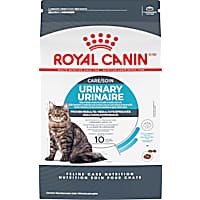
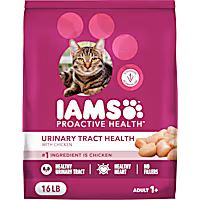
Urinary health cat food is specially formulated to support a healthy urinary tract and promote normal urine flow in cats. These recipes are designed to maintain urine pH at levels that may reduce the likelihood of crystal formation, one of the most common contributors to urinary tract issues in cats. Many formulas also promote increased water intake, since good hydration is one of the most effective ways to support your cat’s urinary health.
Key features of urinary health cat food may include:
- Controlled mineral levels, particularly magnesium, phosphorus, and calcium
- pH-balanced formulation to promote a healthy urinary environment
- Higher moisture content in wet recipes to promote hydration
- Antioxidants and targeted nutrients that may support urinary tract tissue health
Choosing a Urinary Cat Food That Fits Your Cat
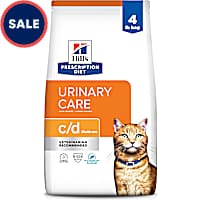
Wet urinary cat food is often recommended over dry because the higher moisture content directly promotes urine dilution, which supports a healthy urinary tract. Dry urinary health formulas are also available and can be effective when your cat stays well hydrated. If your cat has been diagnosed with struvite or oxalate crystals, your vet may recommend a prescription urinary diet rather than an over-the-counter formula.
Talk to your vet and look for these features when selecting a urinary formula:
- Wet format when possible for built-in hydration support
- Controlled sodium and mineral content
- A note about the type of crystals the formula targets, since formulas vary
- AAFCO complete and balanced statement
Frequently Asked Questions
-
Diet plays an important role in urinary health. Urinary health cat food can help maintain urine pH and mineral balance, which promotes conditions less favorable to crystal and stone formation. However, cat food alone cannot guarantee prevention of UTIs or urinary blockages. Consult your vet if your cat shows signs of urinary discomfort.
-
Watch for straining to urinate, frequent trips to the litter box without producing much urine, blood in the urine, crying while urinating, or urinating outside the litter box. These signs warrant a vet visit. Urinary blockages, especially in male cats, can become life-threatening quickly.