Two Easy Ways to Start Earning Rewards!
Become a member today! Members-only pricing and offers, personalized care notifications, Vital Care points back on every purchase and more!
 Become a credit card member today!
Earn 2X Pals Rewards points at Petco
when you use Petco Pay!APPLY NOWLearn More About Petco Pay Benefits
Cat Food





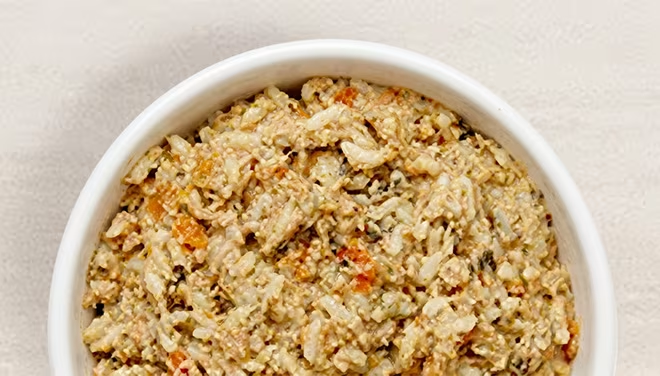
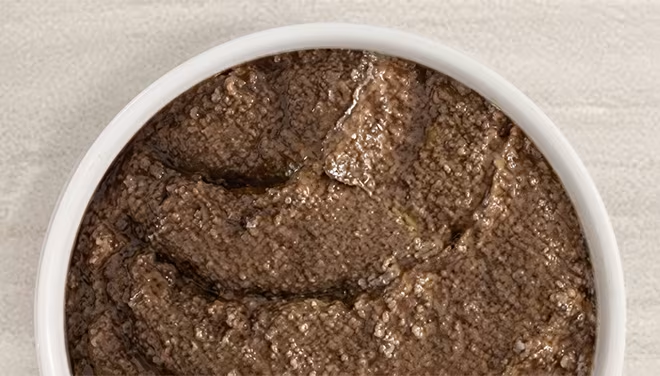
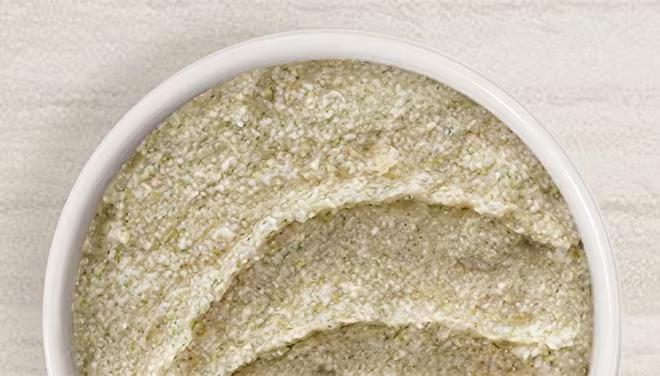


Shop our most popular brands







Get It Today

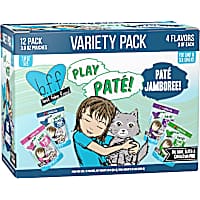

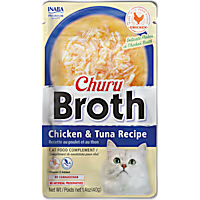
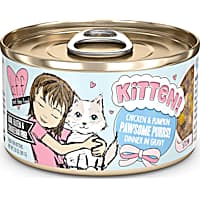
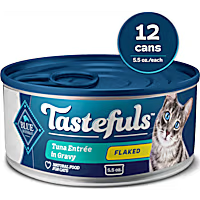


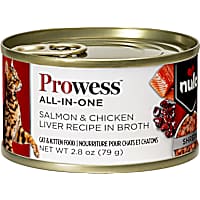
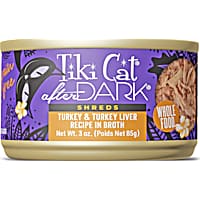
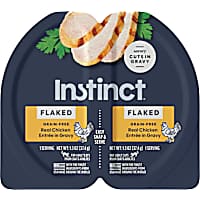
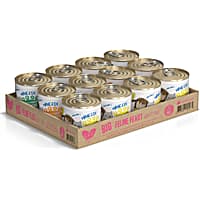


Choosing the Right Cat Food
Finding the best cat food starts with understanding your cat’s unique preferences, life stage, and daily routine. Cats thrive on balanced nutrition, and today’s formulas come in a variety of textures, flavors, and ingredient profiles to accommodate different needs. The most common options, dry cat food and wet cat food, both offer advantages depending on what fits your household. Reviewing ingredient lists, checking feeding guidelines, and speaking with a veterinarian can help narrow down the right match. Key things to consider include:
- Your cat’s life stage and activity level
- Texture and flavor preferences
- Feeding style, such as scheduled meals or free feeding
- Ingredient sensitivities or dietary restrictions
- Guidance from a veterinary professional
Benefits of Dry Cat Food for Simple Daily Feeding
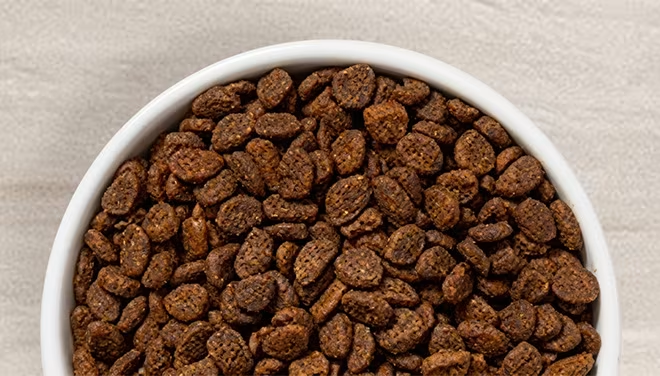
Dry cat food offers a convenient option for pet parents who want easy storage, quick serving, and consistent portioning. Kibble works well for low-maintenance feeding plans and pairs easily with automatic feeders for cats who graze or follow a set schedule. Many dry formulas feature crunchy textures that can support chewing, although kibble is not a replacement for routine dental care. Consider cat food toppers to add extra flavor for your furry friend!
Benefits of wet cat food for moisture and texture variety
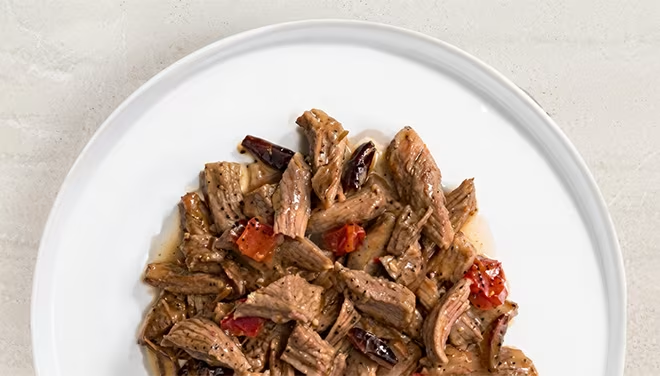
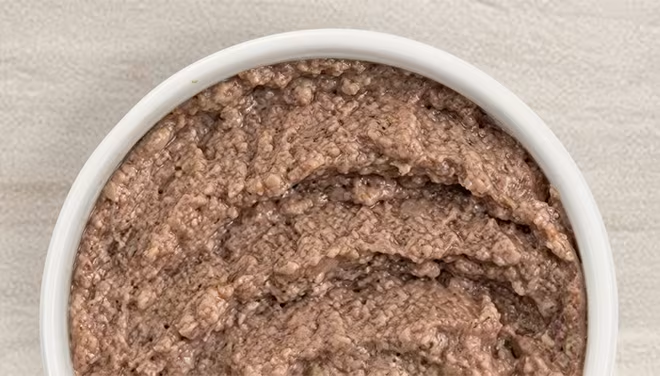
Wet cat food provides a flavorful, aromatic option that many cats find appealing, especially if they are selective eaters or struggle with chewing harder textures. The soft consistency and high moisture content can make mealtime more enticing. Wet food comes in multiple textures, including paté, minced, and gravy styles, giving you flexibility to match your cat’s taste.
Cat Food for Different Life Stages
Cat food designed for specific life stages helps support the changing nutritional needs of kittens, adult cats, and senior cats. Kittens benefit from energy-dense formulas that support rapid growth and development, while adult cats typically require balanced nutrition that maintains weight and activity levels. Senior cats may need adjusted textures or specialized nutrient ratios to match their shifting appetites and daily routines. Choosing life stage appropriate cat food ensures your feline receives the right balance of ingredients at every age.
Frequently Asked Questions
-
Feeding frequency depends on your cat’s age, activity level, and eating style. Many adult cats do well with two set meals each day, while some prefer controlled free-feeding with measured portions. Kittens may require more frequent meals due to higher energy needs. Monitoring your cat’s habits and adjusting portions or schedules helps ensure mealtime remains consistent and balanced.
-
Dry cat food offers convenience, simple storage, and easy portioning, making it suitable for free feeding or scheduled meals. Wet cat food provides higher moisture content and softer textures that many picky eaters prefer. Both can be part of a complete diet, and many pet parents combine them for variety. Choosing between the two comes down to texture preferences, feeding habits, and lifestyle needs.
-
Cats with selective eating habits often respond well to texture variety, especially options that offer more aroma or moisture. Paté, minced, shredded, and gravy-rich recipes can help attract cats that turn away from drier or denser foods. Experimenting with different consistencies allows you to see which textures your cat prefers. Observing their enthusiasm at mealtime is a helpful guide when choosing future foods.