Two Easy Ways to Start Earning Rewards!
Become a member today! Members-only pricing and offers, personalized care notifications, Vital Care points back on every purchase and more!
 Become a credit card member today!
Earn 2X Pals Rewards points at Petco
when you use Petco Pay!APPLY NOWLearn More About Petco Pay Benefits
Grain Free Cat Food
Shop our most popular brands





Get It Today



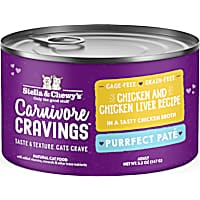

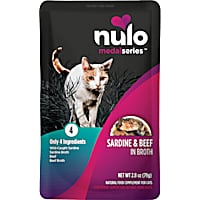
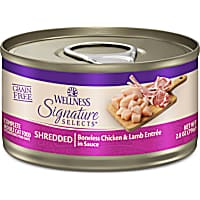
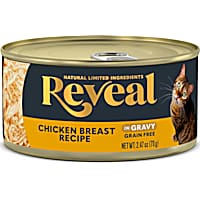
Related Searches
What Grain-Free Cat Food Means for Your Cat
Grain-free cat food is made without common grains like wheat, corn, rice, or barley. These formulas replace grains with alternative carbohydrate sources such as sweet potato, peas, lentils, or chickpeas. Many cat owners choose grain-free recipes to reduce their cat’s carbohydrate intake, eliminate potential grain-related sensitivities, or align with a more protein-forward diet.
Grain-free does not automatically mean low-carb. Look for these qualities to confirm the recipe matches your goals:
- High named-protein content as the first ingredient
- Alternative carbs listed lower on the ingredient list
- Complete and balanced AAFCO statement for your cat’s life stage
- No fillers like pea protein concentrate used primarily to inflate protein percentages
Choosing a Grain-Free Cat Food That Works
Grain-free cat food works well for cats with diagnosed grain sensitivities or for owners who prefer to minimize grains in their cat’s diet. It is available in wet, dry, raw, and freeze-dried formats, so you have flexibility in how you feed. If your cat has a sensitive stomach, a grain-free limited ingredient formula may offer additional benefits.
Compare grain-free options based on these factors:
- Protein source: chicken, fish, duck, turkey, rabbit, or beef
- Carbohydrate quality: whole vegetables and legumes vs. starchy fillers
- Fat content: healthy fats from animal sources promote coat and skin health
- Life stage labeling: select a formula appropriate for your cat’s age
Frequently Asked Questions
-
Cats do not require grain-free food to be healthy. Many cats do well on foods that include grains. Grain-free formulas are most beneficial for cats with confirmed grain sensitivities or allergies. If you are considering a switch, consult your vet to determine whether grain-free is the right choice for your specific cat.
-
Not always. Grain-free cat food eliminates grains but may still contain significant carbohydrates from legumes or starchy vegetables. True low-carb cat food minimizes all carbohydrate sources. Check the guaranteed analysis and ingredient list if you need to limit overall carbohydrate intake.
-
Not noticeably. Most cats respond to the protein source and texture of their food rather than the presence or absence of grains. If your cat is a picky eater, the bigger factor in acceptance is typically the protein type, wet versus dry format, and texture.