Two Easy Ways to Start Earning Rewards!
Become a member today! Members-only pricing and offers, personalized care notifications, Vital Care points back on every purchase and more!
 Become a credit card member today!
Earn 2X Pals Rewards points at Petco
when you use Petco Pay!APPLY NOWLearn More About Petco Pay Benefits
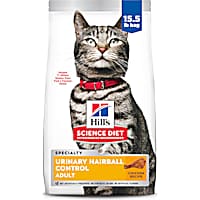
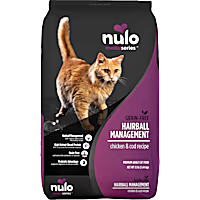
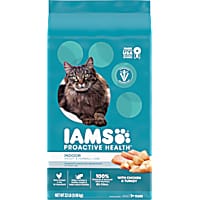
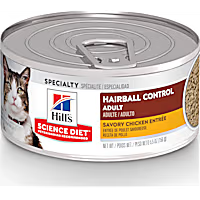
Hairball Control Cat Food



Get It Today





Related Searches
Hairball Cat Food That Helps Reduce Hairballs from the Inside Out
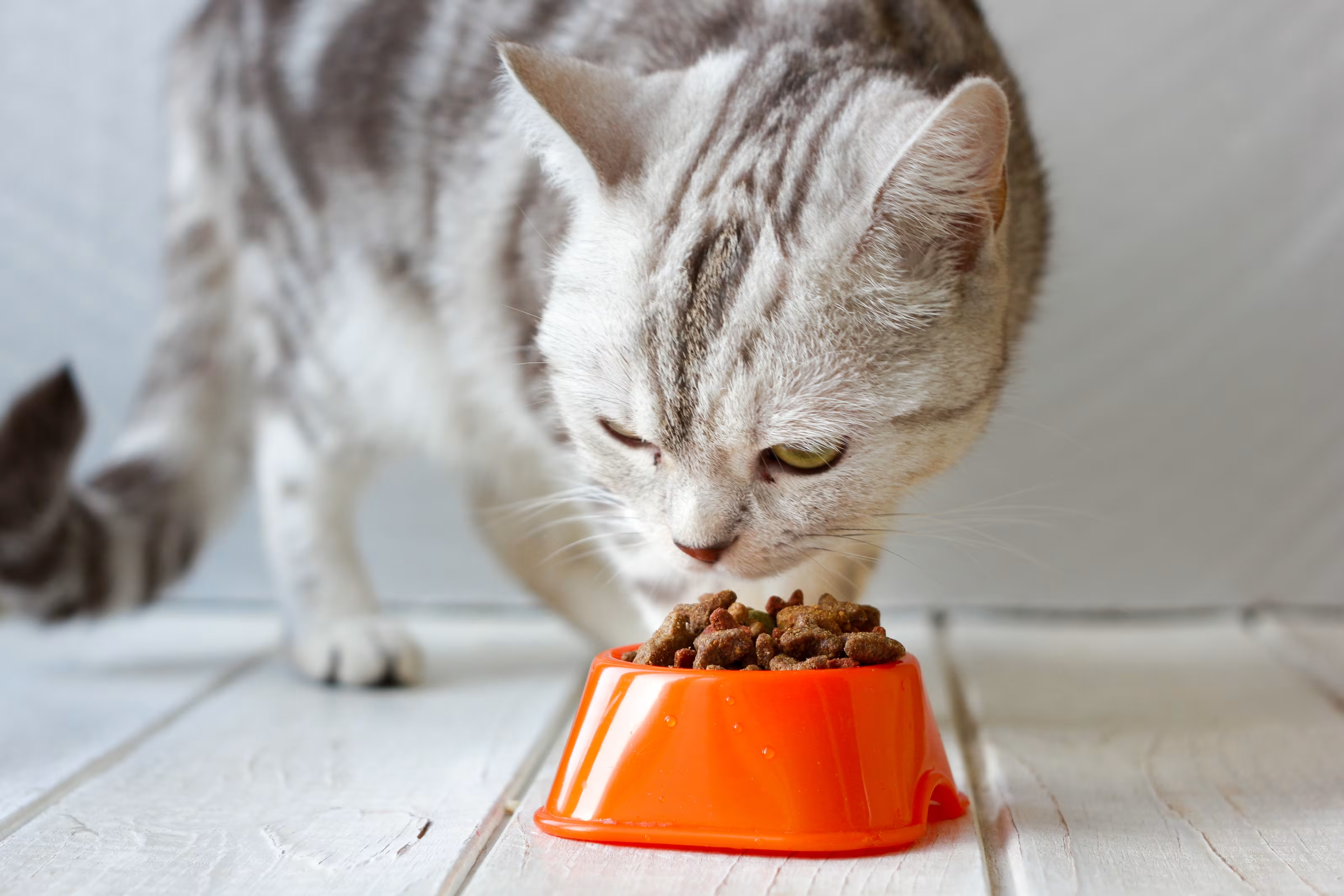
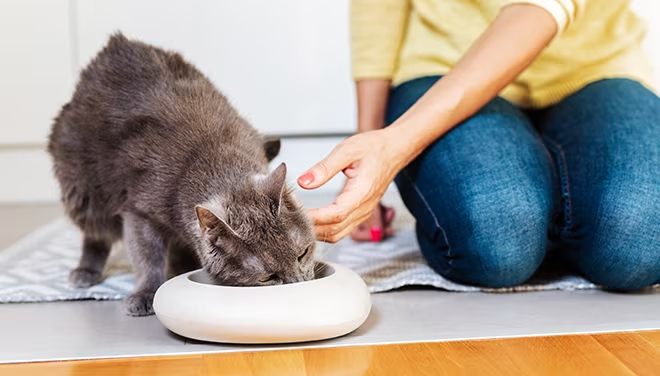
Hairball cat food is formulated to reduce how often your cat produces hairballs by supporting the natural movement of swallowed hair through the digestive tract. These recipes typically contain added dietary fiber, which promotes gut motility and helps hair pass through your cat’s system rather than accumulating into a hairball that gets vomited up. Some formulas also include omega fatty acids to promote healthy coat condition and reduce shedding.
Ingredients commonly used in hairball control cat food:
- Cellulose or psyllium husk for added insoluble fiber
- Beet pulp to promote digestive movement
- Omega-3 and omega-6 fatty acids for coat health and reduced shedding
- Pumpkin in some natural formulas for gentle fiber support
When to Switch to Hairball Control Cat Food
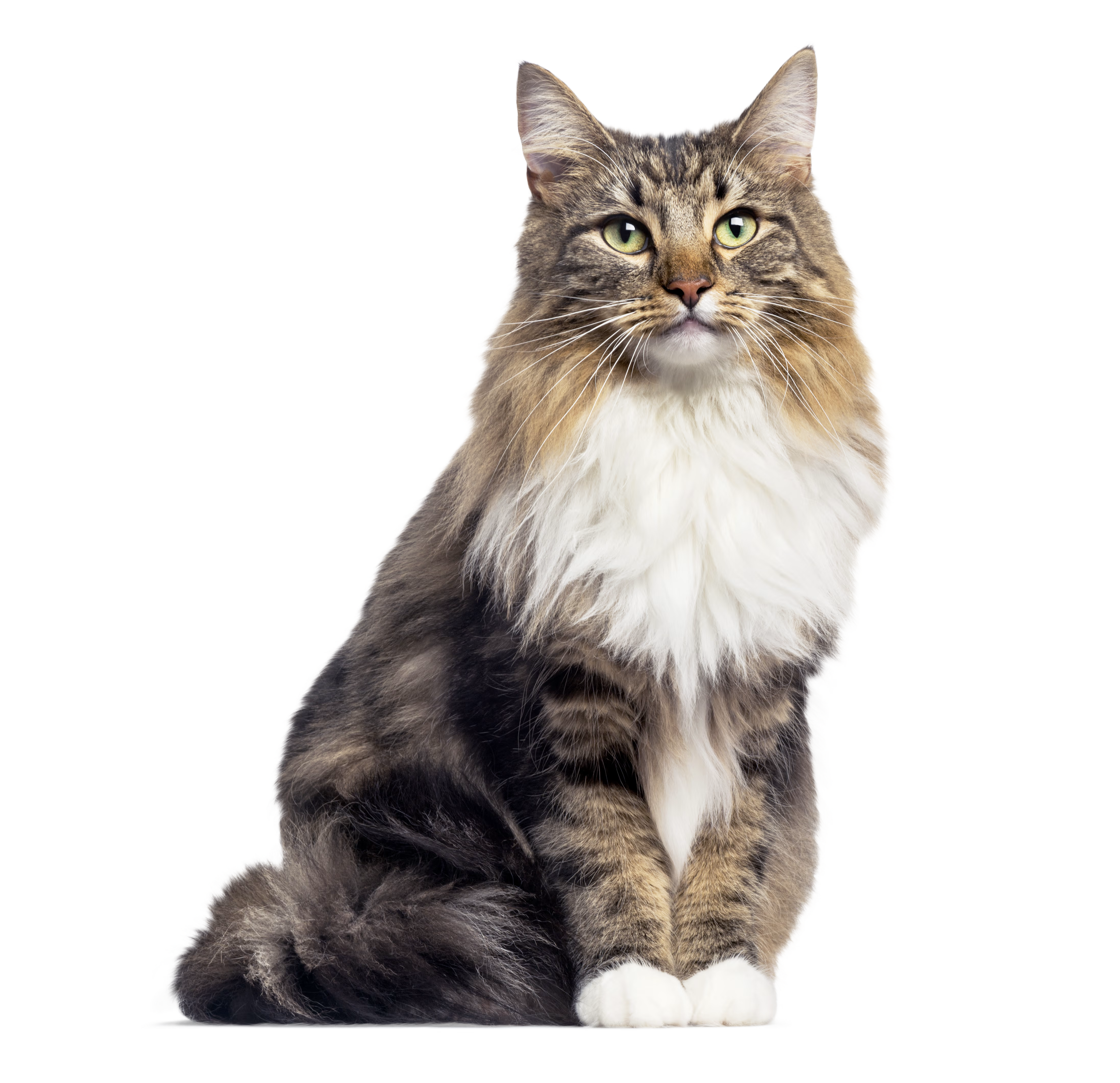
If your cat vomits hairballs more than once or twice a month, a specialized hairball formula is worth trying. Long-haired cats and heavy groomers are most prone to frequent hairballs. Hairball cat food is best used as a preventive measure, not a treatment for a cat who is already having trouble passing a hairball, which may require veterinary attention.
Signs your cat may benefit from a hairball formula:
- Coughing, gagging, or retching followed by a vomited hairball
- Frequent hacking without producing a hairball, which may indicate one is stuck
- Long or dense coat that leads to heavy shedding
- Overgrooming behaviors that increase hair intake
Frequently Asked Questions
-
Hairball control formulas can reduce hairball frequency for many cats, particularly those with mild to moderate hairball issues. Results vary by cat and diet. They work best alongside regular brushing to reduce the amount of loose hair your cat swallows in the first place.
-
Brush your cat regularly to remove loose fur before they swallow it during grooming. Increase hydration by adding wet food or a water fountain. Keep your cat’s coat healthy with omega-rich food or supplements that promote reduced shedding.
-
An occasional hairball once or twice a month is generally considered normal for cats, especially those who groom heavily. More frequent hairballs, or a cat that gags and retches repeatedly without producing one, warrants a vet visit to rule out a blockage or underlying digestive issue.
-
Yes. Hairball frequency is tied to how much a cat grooms, not whether they go outside. Indoor cats can be prolific groomers, particularly if they are bored, anxious, or have a dense coat. Regular brushing and a hairball formula can both help reduce frequency regardless of your cat’s lifestyle.