Two Easy Ways to Start Earning Rewards!
Become a member today! Members-only pricing and offers, personalized care notifications, Vital Care points back on every purchase and more!
 Become a credit card member today!
Earn 2X Pals Rewards points at Petco
when you use Petco Pay!APPLY NOWLearn More About Petco Pay Benefits
Zoo Med Reptile Kit & Terrariums Deals
Get It Today




Related Articles & Questions
- Home & Habitat
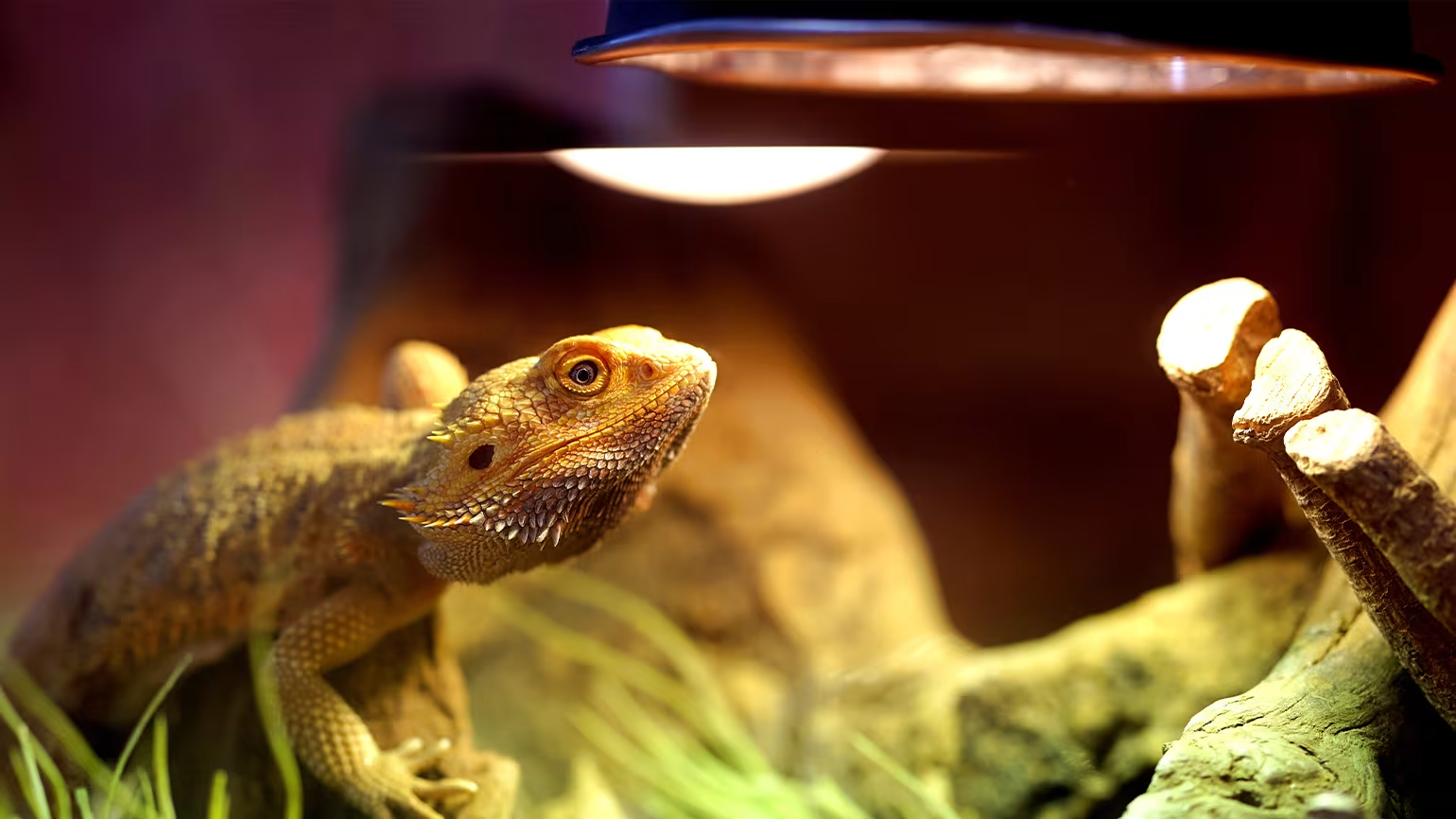
Reptile UVB Light Guide: What Every Pet Parent Needs to Know
Learn the importance of UVB light for your reptiles and the right reptile lights for your pet’s habitat.
Updated on July 17th, 2026
- Care Sheets
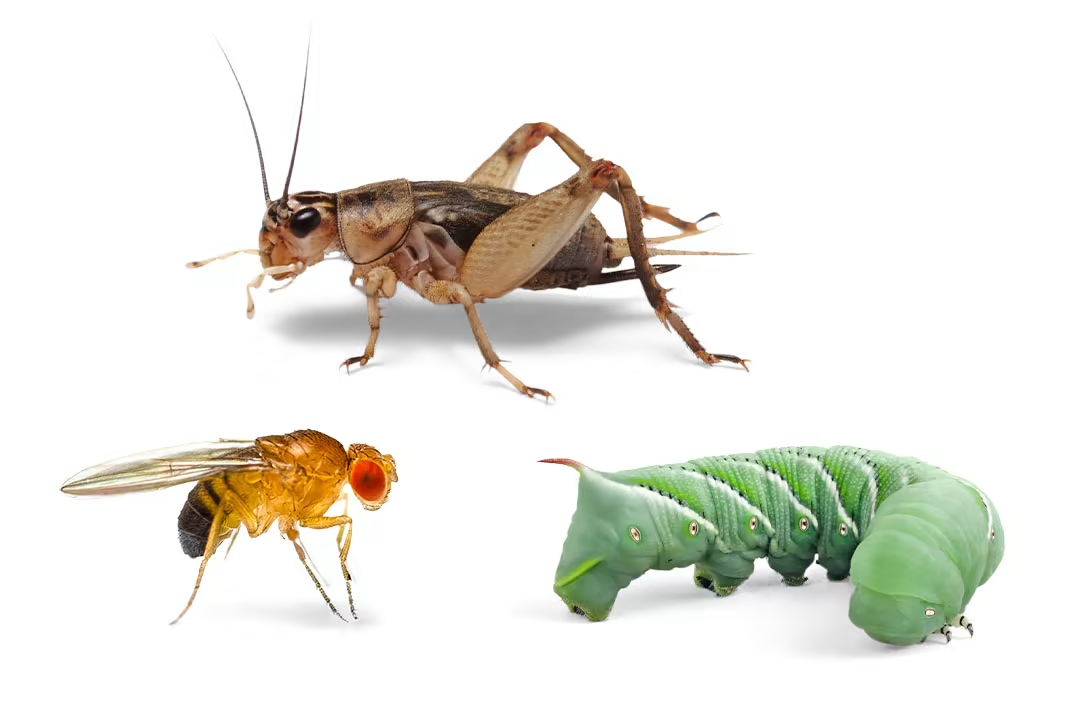
Reptile Feeding: Live Insect Selection & Care for Optimal Health
Learn about live insects for reptile feeding, recommended diet & habitat setup. Find the right food, supplies & equipment at your neighborhood Petco.
Updated on April 9th, 2026
- Care Sheets
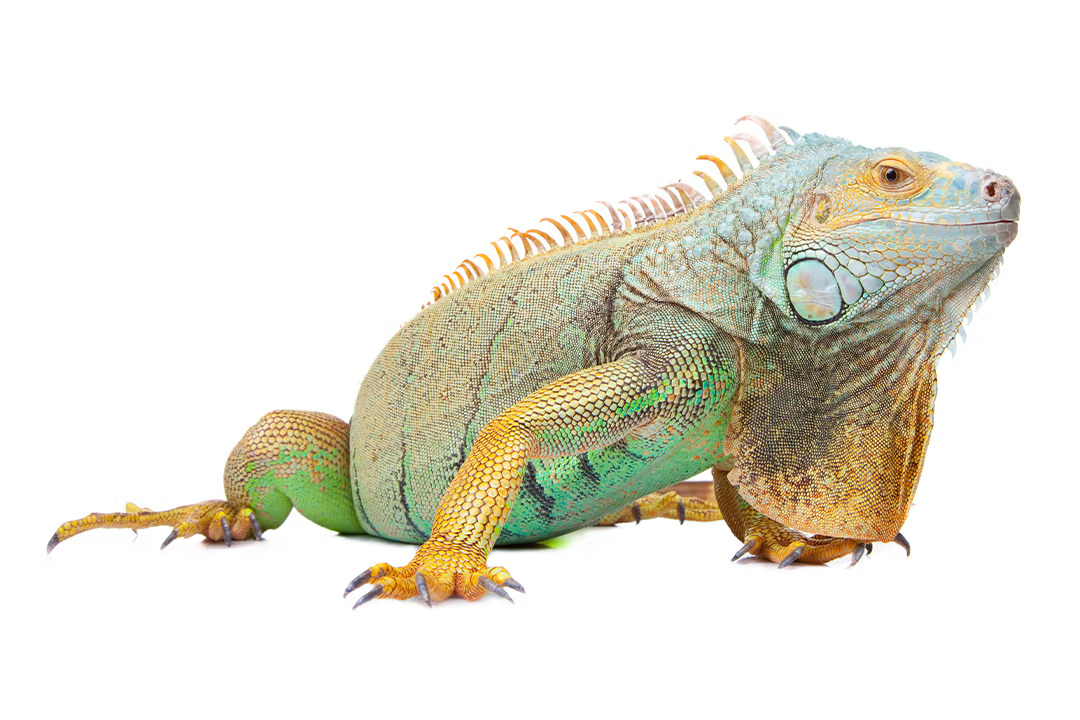
Green Iguana Care: The Ultimate Guide to Food, Habitat & Health
Learn how to take care of your Tropical Iguanas, recommended diet and housing setup. Find the right food, supplies and equipment at your neighborhood Petco.
Updated on April 9th, 2026
- Care Sheets
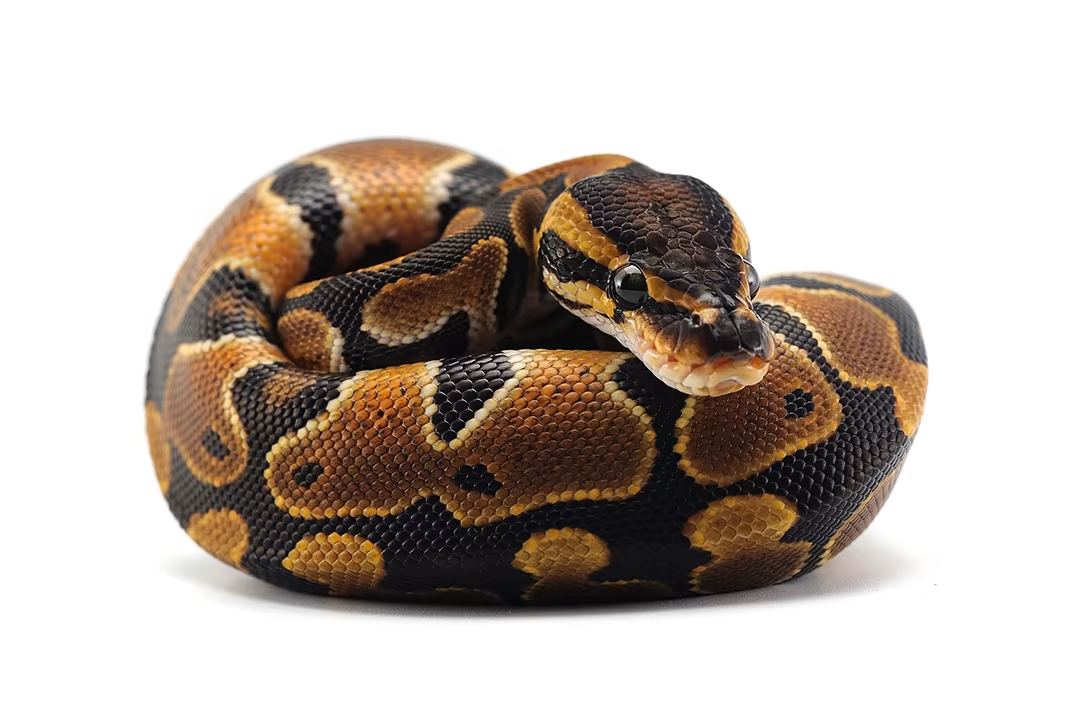
Ultimate Ball Python Care: Setup, Feeding, & Health for Beginners
Learn how to care for a Ball Python, recommended diet and habitat setup. Find the right food, supplies and equipment at your neighborhood Petco.
Updated on October 23rd, 2025
- Food & Nutrition
What Do Reptiles Eat? Full Feeding Guide by Species
Do you have questions about what to feed a reptile? Petco has the answers! Visit us to learn about reptile dietary needs.
Updated on July 17th, 2026
- Home & Habitat
Injured lizard care: food, lighting, and habitat setup tips?
It does appear to be of the takydromus species. These grass lizards are common and fairly easy to keep. Being adept climbers, more vertical space should be offered in an enclosure. Branches and vines can be placed for climbing. Bring reptiles, they need an external heat source and UVB lighting. Daytime temps can range from 24 C to 30 C (75-85 F). Provide a basking spot of around 35 C to 38 C (95-100 F) using a heat lamp. Aim for 70-80% humidity. Provide a shallow bowl for water. Mist the cage daily. Feed appropriately sized prey, no bigger than the space between the eyes, that have been gutload for 24 hours prior to offering. This will maximize nutritional value. Crickets, mealworms, dubia roaches, waxworms or wingless fruit flies can all be offered. Dust prey with a calcium supplement and a multivitamin supplement several times weekly. Ideally, the wound should be addressed by a veterinarian experienced in treating reptiles. You can clean it with dilute Betadine or chlorhexidine solution daily and monitor for redness, bleeding, lethargy or decreased appetite.
Updated on September 24th, 2025
- Food & Nutrition
How to feed a red ear slider with pyramiding & choose a heat lamp?
A proper diet for red-eared sliders includes a complete pellet, such as those made by ReptoMin, and dark leafy green vegetables. This can be fed once per day, and the amount should be based on how many pellets Cooper can eat in 5-7 minutes. This is just a guideline, and your veterinarian can help you to determine if this is appropriate based on Cooper's body condition score (i.e. whether she is overweight or not). For a heat lamp - photo 1 just looks like the dome, and there doesn't appear to be a bulb in it. The second lamp looks like it is a daytime only heat lamp - it is often beneficial to have a heat source that can be used during the day or at night, and if that is what you are looking for, I would recommend a ceramic heat bulb. If you are looking for only a daytime basking bulb, there are many brands that would be appropriate. The key words that you should look for are "daytime basking bulb." For watts - it depends on how far the bulb is away from your turtle - there are some brands that have a chart on the side of the box that will give you distances and temperatures that correlate with the distance. This information, combined with your desired temperature for the basking area will help you to decide on what wattage to get. I hope that gives you more information!
Updated on September 24th, 2025
- Home & Habitat
What's the best cage size, substrate, and bioactive setup for my bearded dragon?
Choose the largest cage your space and budget will allow. At minimum, a 55 gallon enclosure should be considered. Acceptable substrates include slate, reptile carpet, decomposed granite or large gravel. Yes, setting up a bio-active environment for beardies is possible. It will take a bit of research and effort to get it right.
Updated on September 24th, 2025
- Food & Nutrition
What's the best habitat, feeding, and lighting for my thin corn snake?
Corn snakes can grow to as long as 5 feet. On average, they grow to 3-4 feet. A 10 gallon tank is too small. At minimum, a 20 gallon enclosure is recommended. A temp range of 75F-85F is best. They do not "need" a UVB light source but seem to be healthier with one. At 2 years of age, it should be eating adult mice. If it can't, feed whatever you can to get it back into a positive plane of nutrition so it can grow properly. Consider an exam with your veterinarian or an experienced herp vet to diagnose and treat any pre exiting conditions. Submit a stool sample to diagnose intestinal parasites. More information regarding care can be found here: http://www.anapsid.org/corn.html
Updated on September 24th, 2025
- Vet Q & A
My pet reptile has scale rot. How do I treat it at home safely?
Mild scale rot can be managed at home by controlling humidity and treating the affected area topically. Keep the enclosure and substrate dry and provide adequate ventilation. Use a diluted betadine solution to gently clean the affected area once or twice daily. Dry thoroughly afterwards. A dab of a triple antibiotic ointment or silvadene cream can be applied after each cleaning. More serious rot or rot that does not respond to conservative treatment should be addressed by your veterinarian or a vet experienced in treating reptiles.
Updated on September 24th, 2025