Two Easy Ways to Start Earning Rewards!
Earn 2X Pals Rewards points at Petco
when you use Petco Pay!
Get It Today
When it comes to reptile habitats, one of the most essential elements to creating a happy home for your pet is including the appropriate type of lighting. Zoo Med helps outline which lights are right for your pet.
Updated on July 17th, 2026
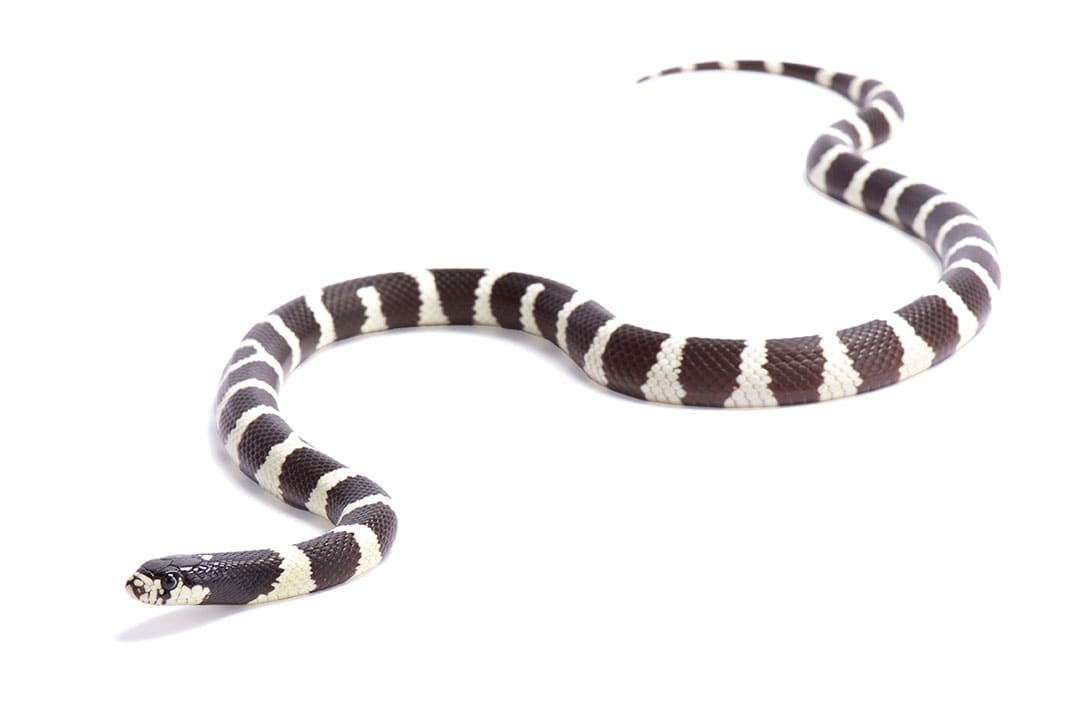
Learn how to take care of King Snakes, recommended diet and habitat. Find the right food, supplies and equipment at your neighborhood Petco.
Updated on April 9th, 2026
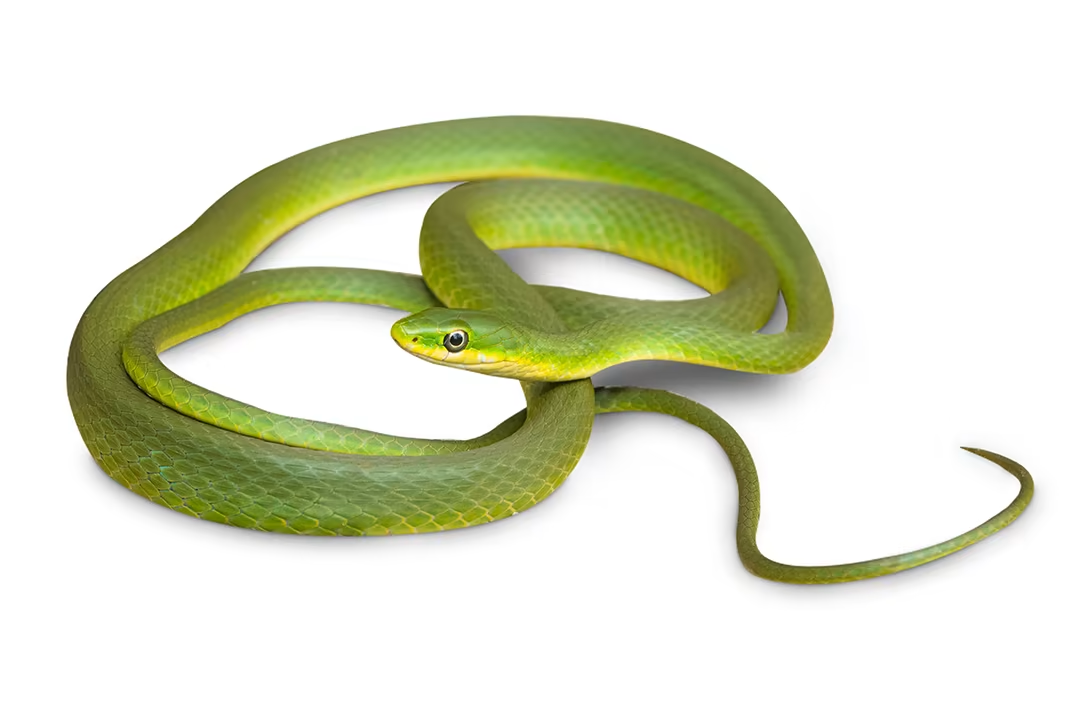
Learn how to take care of Rough Green Snakes, recommended diet and habitat. Find the right food, supplies and equipment at your neighborhood Petco.
Updated on April 9th, 2026
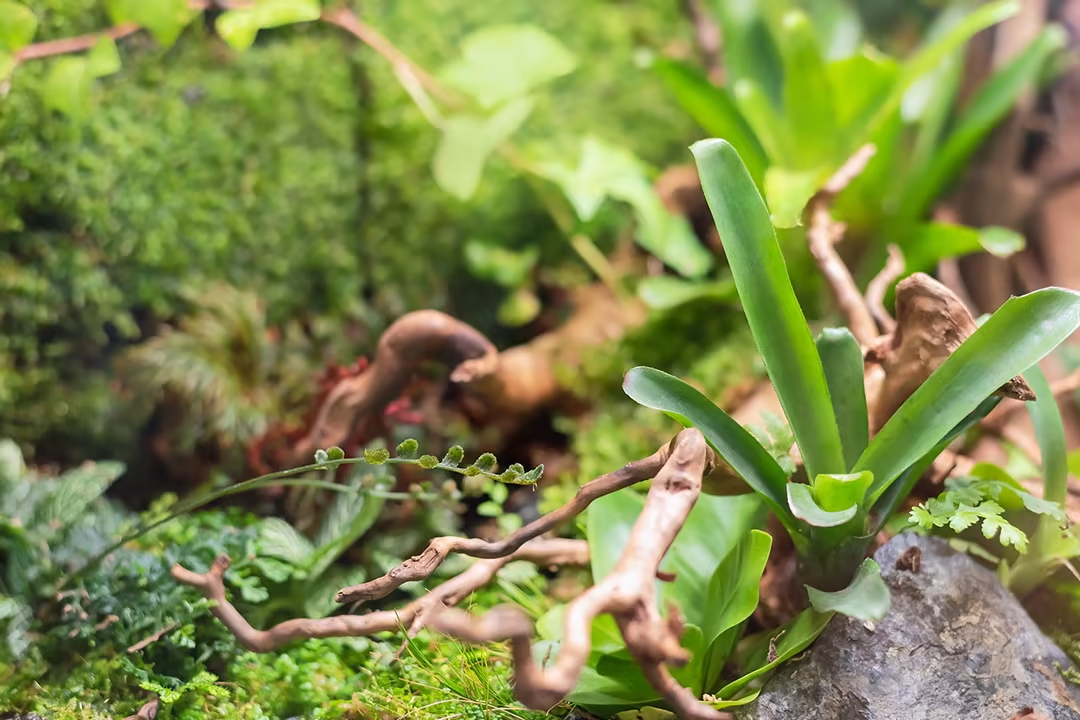
Tropical and desert terrarium plants are not only beneficial to terrestrial environments, but they also bring a more natural appearance to your reptile’s habitat.
Updated on October 23rd, 2025
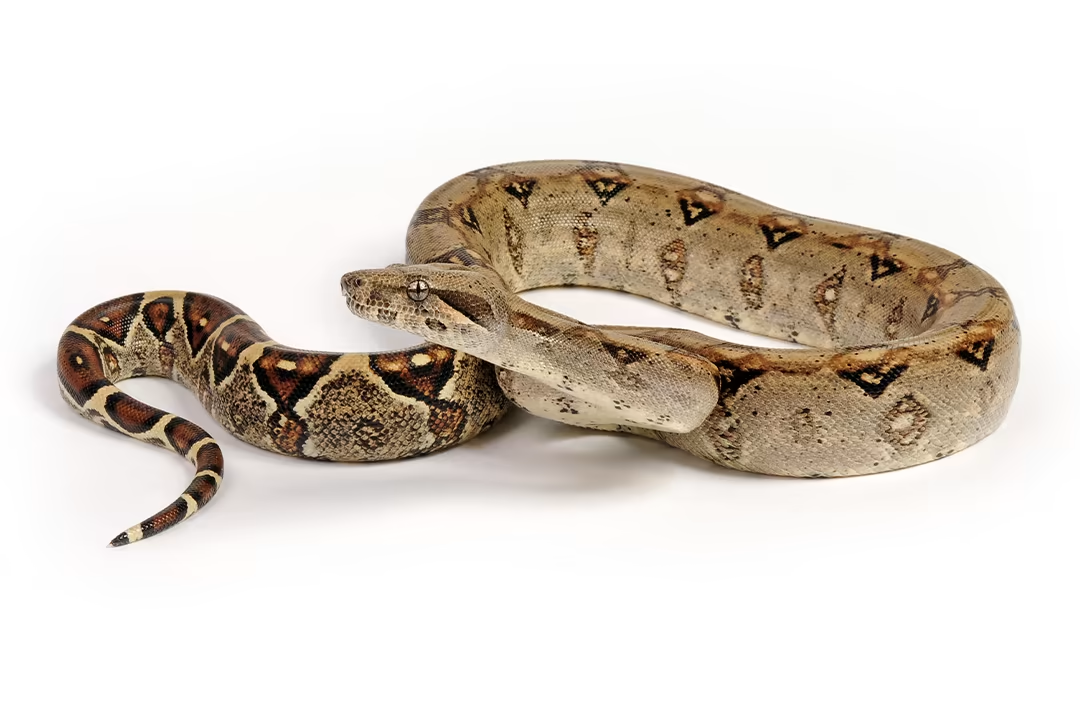
Red-Tailed Boas require a large area and need consistent interaction with humans to remain tame.
Updated on April 9th, 2026
Soak Razor in warm water for 15-20 minutes. Gently rub off any loose shed but do not pull or tear at it. If he is wiggly, you can place him in a small container with paper towels moistened with warm water for 15-20 minutes. The moist heat and humidity should help with the shed. Make sure he can breathe in the container. You can put this moist hide in his enclosure so he has a place to go when he is shedding. Monitor his stool and submit a sample to your vet to diagnose intestinal parasites if you see more "green liquid".
Updated on September 24th, 2025
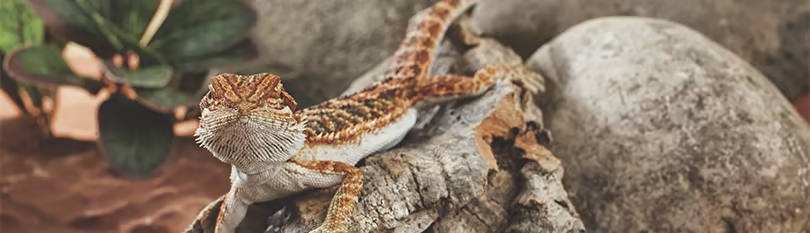
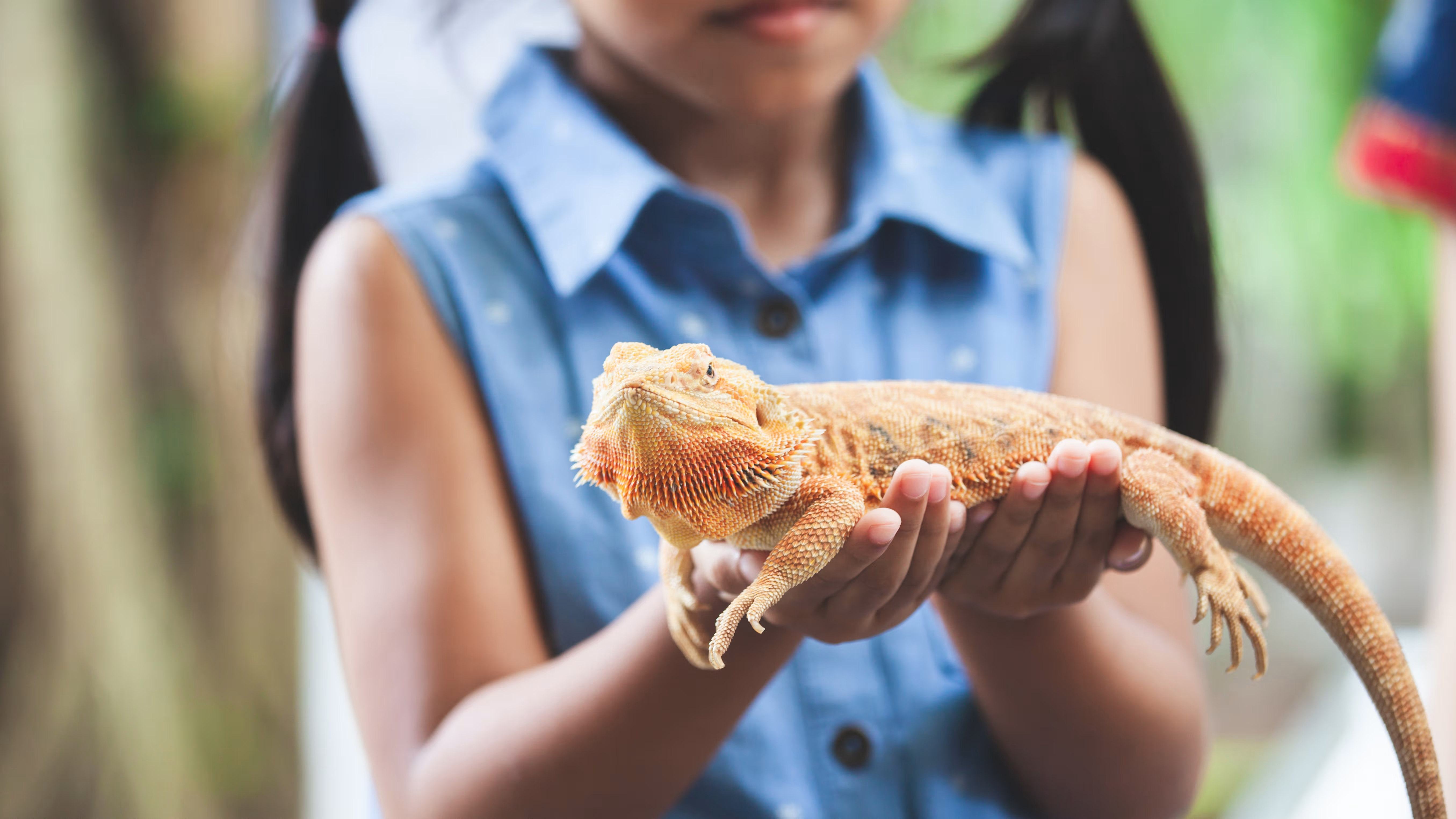
Choose the largest cage your space and budget will allow. At minimum, a 55 gallon enclosure should be considered. Acceptable substrates include slate, reptile carpet, decomposed granite or large gravel. Yes, setting up a bio-active environment for beardies is possible. It will take a bit of research and effort to get it right.
Updated on September 24th, 2025
Thank you for reaching out about your ball python - she is really cute! There are a few things you can try/check for the appetite. Often times, when we are seeing issues with appetite, the first thing we try to do is check the husbandry and ensure that it is as perfect as it can be. Sometimes in between seasons the temperatures can get off in the enclosure, and I would recommend checking that first. Also, the humidity can affect the shedding intervals, in addition to the temperature. I would recommend evaluating the temperatures in the enclosure with digital thermometers to ensure that they are appropriate. Also, based on how she looks in the photos, she appears to be in fair body condition, so she may also be regulating herself as far as her weight/appetite goes. This would be a bit of an exception for a ball python, as most of them will overeat and become overweight. But, there are exceptions to the rule and maybe she is one of them! For the prey items - I like that you are using a separate container, and that you are warming the prey items in warm water. Please ensure that the water gets them to body temperature for rodents, which is around 100-102F. Often snakes will eat prey items that are cooler than that, but if a snake is being picky I try to encourage owners to get them measure the temperature to ensure it is warm enough. I hope that this gives you a place to start, and if she doesn't eat despite all of these changes, I would recommend a veterinary visit for her!
Updated on September 24th, 2025
You can have Salem examined by your veterinarian. A stool sample or gastric biopsy can be submitted to diagnose crypto. In snakes, the disease may indeed remain dormant for years before producing clinical symptoms. In geckos, cryptic is also known as "Stick Tail". Infected geckos will waste away and eventually die. Keep any infected pets separated. Wash hands thoroughly after handling. Keep them eating and maintain proper environmental parameters. You can use Emeraid to supplement the diet as needed and soak affected pets daily, or weekly, to maintain hydration.
Updated on September 24th, 2025
Here are some tips on how to care for pets who require continuous heat, such as reptiles and snakes: - Before a power outage, if possible, buy a generator. This will allow you to keep your reptiles warm during the outage. - Amphibians will do okay without heat for a period of time. Try to limit the number of times you open the habitat. - For a heat source, you can go to your local sporting goods store and purchase the heat packs used to warm feet and hands. These can be placed underneath the habitat (just like you would place an electric heating pad). This will allow your reptile to get heat. Do not put the pack into habitat with the reptile. - Another way to warm cold reptiles is to use a pillowcase. Place the reptile gently in the case and place the pillowcase next to your body under your shirt for warmth. - Pillow cases can also be used to transport reptiles if needed. - Do not feed your reptile as they need heat to digest their food. - You can save plastic milk containers and put warm water in them and place in the habitat for warmth. You can heat water on a BBQ grill or your hot water heater. Be careful not to use hot water, as it could burn your reptile. - Be advised that most reptiles will do fine with cooler temperatures; they go into a body slow down, so the temperature change won't hurt them for a short period of time: 24 - 48 hours. - Contact friends that have power and see if you can move your animals to their homes. - It is important to plan ahead of a power outage and have these items on hand to care for your reptiles. Additionally: Usually, IF a reptile needs to be kept warm during a short outage (few days or less), it is recommended that you place them into a small cooler (those little $5 styro ones can work) in a small container. A plastic shoebox or sandwich container can work, with some air holes. Hand warmers, hot water bottles, etc. can be placed into the cooler as well. This will form a very insulated area with a small amount of volume to heat. Be sure there is ventilation provided, though, as the hand warmers can suck oxygen from the air for the chemical reaction. This is a method that can be carried out for a relatively long period of time if necessary, and a digital thermometer with a probe can be placed in with the reptile and monitored from the outside, so you don't have to open the cooler and let out the warmth to check that the heat packs are still working. In all honesty, though, all but the most tropical reptiles can go a few days with temperatures into the 50's or 60's.
Updated on September 24th, 2025