Two Easy Ways to Start Earning Rewards!
Earn 2X Pals Rewards points at Petco
when you use Petco Pay!
Get It Today

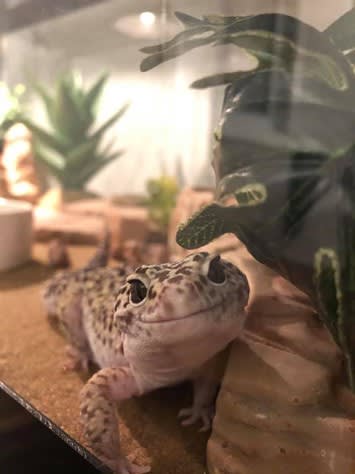
Picking the best leopard gecko substrate can be an overwhelming task; learn about some great options to help your leopard gecko live a happy & healthy life!
Updated on November 13th, 2025
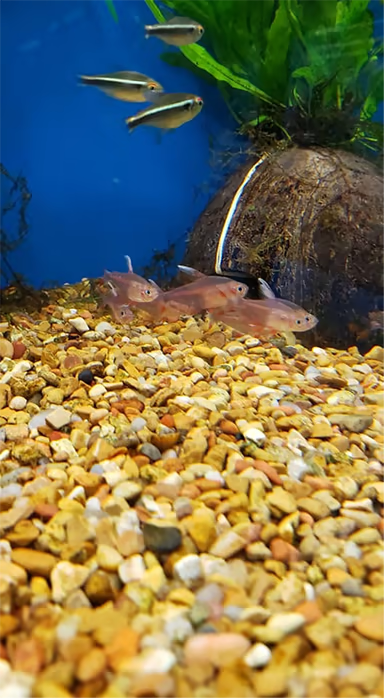
Choosing the right substrate for your aquarium is important and provides an area for beneficial bacteria to grow which keeps your aquatic environment safe.
Updated on November 13th, 2025
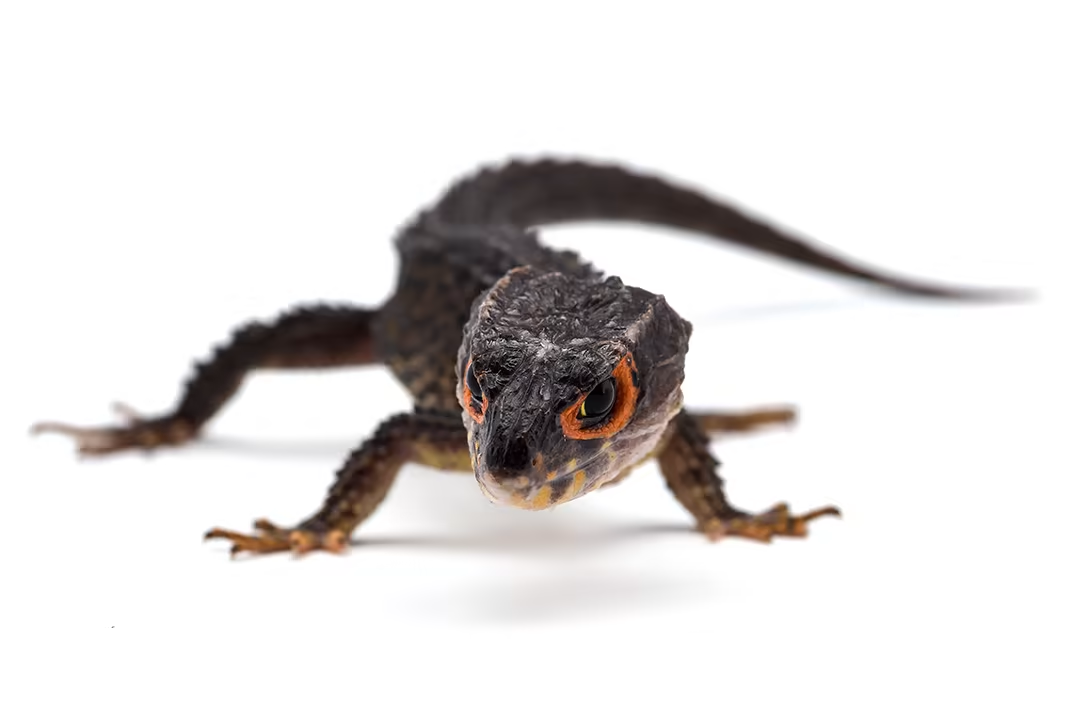
Learn how to care for Red-Eyed Crocodile Skink, recommended diet & aquarium setup. Find the right food, supplies & equipment at your neighborhood Petco.
Updated on November 13th, 2025
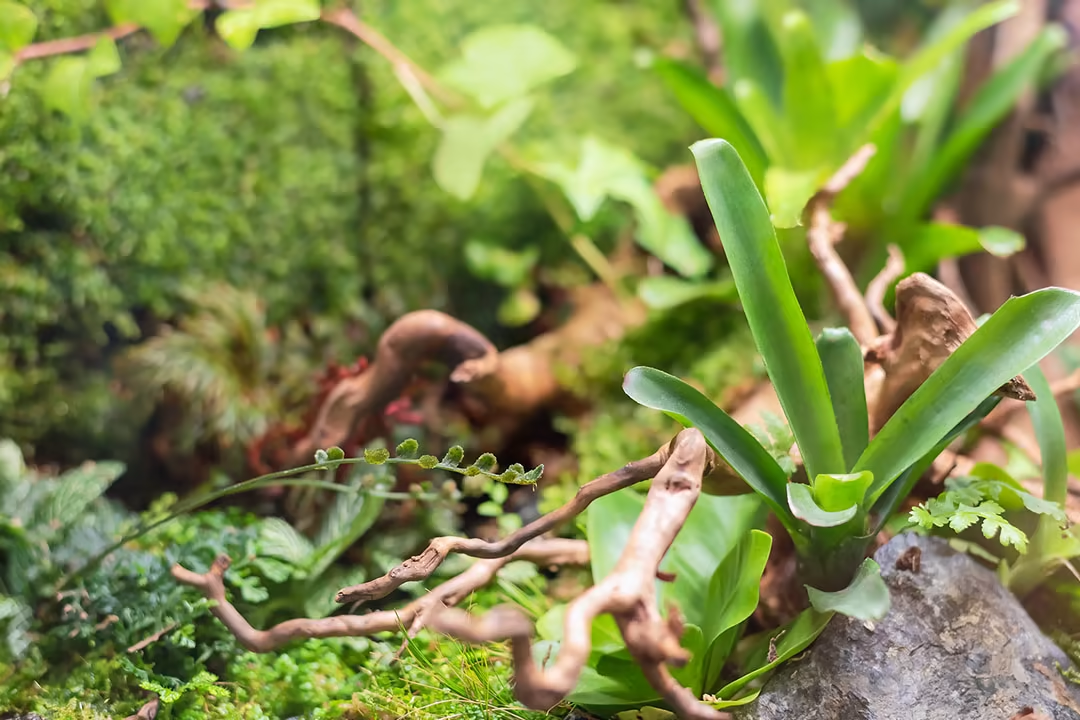
Tropical and desert terrarium plants are not only beneficial to terrestrial environments, but they also bring a more natural appearance to your reptile’s habitat.
Updated on November 13th, 2025
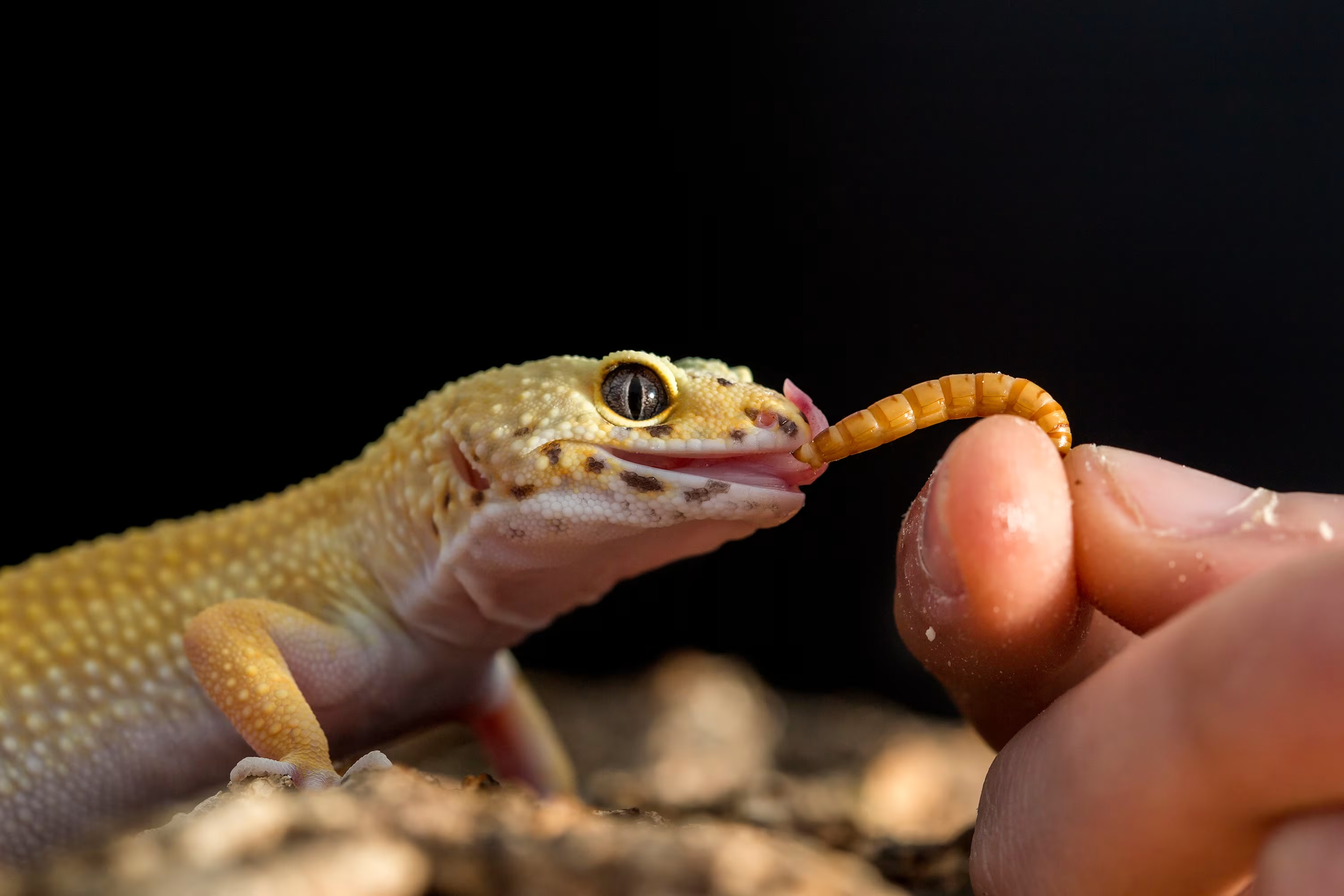
Do you have questions about what to feed a reptile? Petco has the answers! Visit us to learn about reptile dietary needs.
Updated on November 13th, 2025
Gerbils come from a desert environment, but sand as a substrate is not practical and difficult to keep clean. Instead, you can use aspen shavings, hay or recycled paper bedding. Make it deep enough so they can tunnel through it and make little nests.
Updated on August 12th, 2025
The hormone is called arginine vasotocin. It is the reptile equivalent of oxytocin in mammals. Confirm she is indeed gravid (pregnant). This can be done via physical exam or x-rays by your veterinarian or a vet experienced in treating reptiles. Provide as large a lay box as possible. The substrate should be at least 10 inches deep and damp enough to tunnel into without collapse. Make it as secure and private as possible as well. Keep stress to a minimum and make sure she is eating and staying hydrated.
Updated on August 12th, 2025
Keep him warm and as stress free as possible. If he is on loose substrate, switch him to slate, paper towels or reptile carpeting to prevent material from sticking to his vent. Submit a stool sample to your veterinarian to diagnose intestinal parasites.
Updated on August 12th, 2025
It is difficult to see in the picture. What you can do is submit a stool sample to your veterinarian or a vet experienced in treating reptiles. This may diagnose intestinal parasites. The appropriate medication can then be administered or dispensed.
Updated on August 12th, 2025
It does appear to be of the takydromus species. These grass lizards are common and fairly easy to keep. Being adept climbers, more vertical space should be offered in an enclosure. Branches and vines can be placed for climbing. Bring reptiles, they need an external heat source and UVB lighting. Daytime temps can range from 24 C to 30 C (75-85 F). Provide a basking spot of around 35 C to 38 C (95-100 F) using a heat lamp. Aim for 70-80% humidity. Provide a shallow bowl for water. Mist the cage daily. Feed appropriately sized prey, no bigger than the space between the eyes, that have been gutload for 24 hours prior to offering. This will maximize nutritional value. Crickets, mealworms, dubia roaches, waxworms or wingless fruit flies can all be offered. Dust prey with a calcium supplement and a multivitamin supplement several times weekly. Ideally, the wound should be addressed by a veterinarian experienced in treating reptiles. You can clean it with dilute Betadine or chlorhexidine
Updated on August 12th, 2025