Two Easy Ways to Start Earning Rewards!
Become a member today! Members-only pricing and offers, personalized care notifications, Vital Care points back on every purchase and more!
 Become a credit card member today!
Earn 2X Pals Rewards points at Petco
when you use Petco Pay!APPLY NOWLearn More About Petco Pay Benefits
Zoo Med Leopard Gecko Food
Get It Today



Related Articles & Questions
- Care Sheets
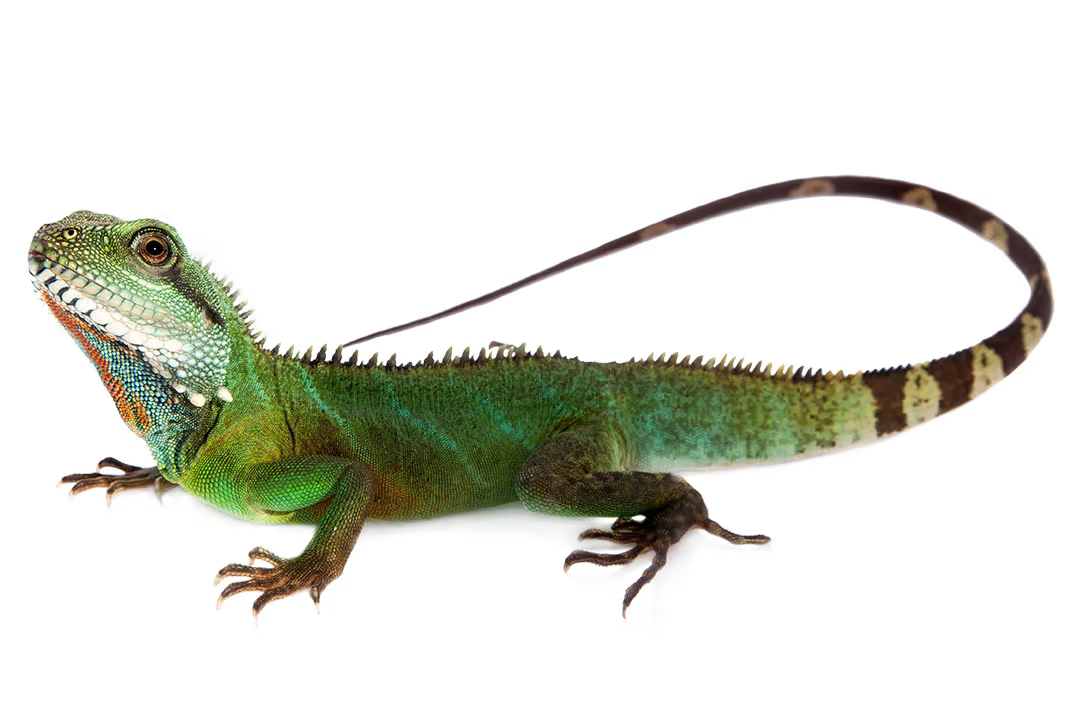
Ultimate Tropical Lizard Care: Habitat, Food & Health for a Happy Pet
Learn how to care for tropical lizards, recommended diet & habitat setup. Find the right food, supplies & equipment at your neighborhood Petco.
Updated on April 9th, 2026
- Care Sheets
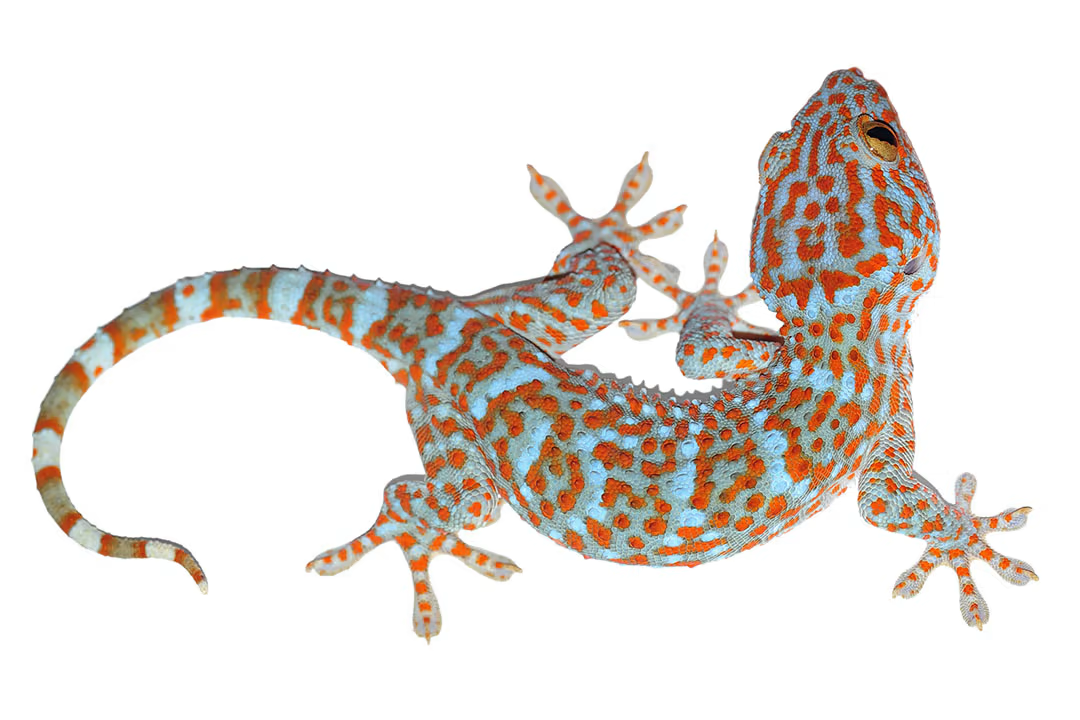
Tokay Gecko Care: Food, Habitat & Health for Experienced Owners
Learn how to care for a Tokay Gecko, recommended diet & habitat setup. Find the right food, supplies & equipment at your neighborhood Petco.
Updated on April 9th, 2026
- Care Sheets
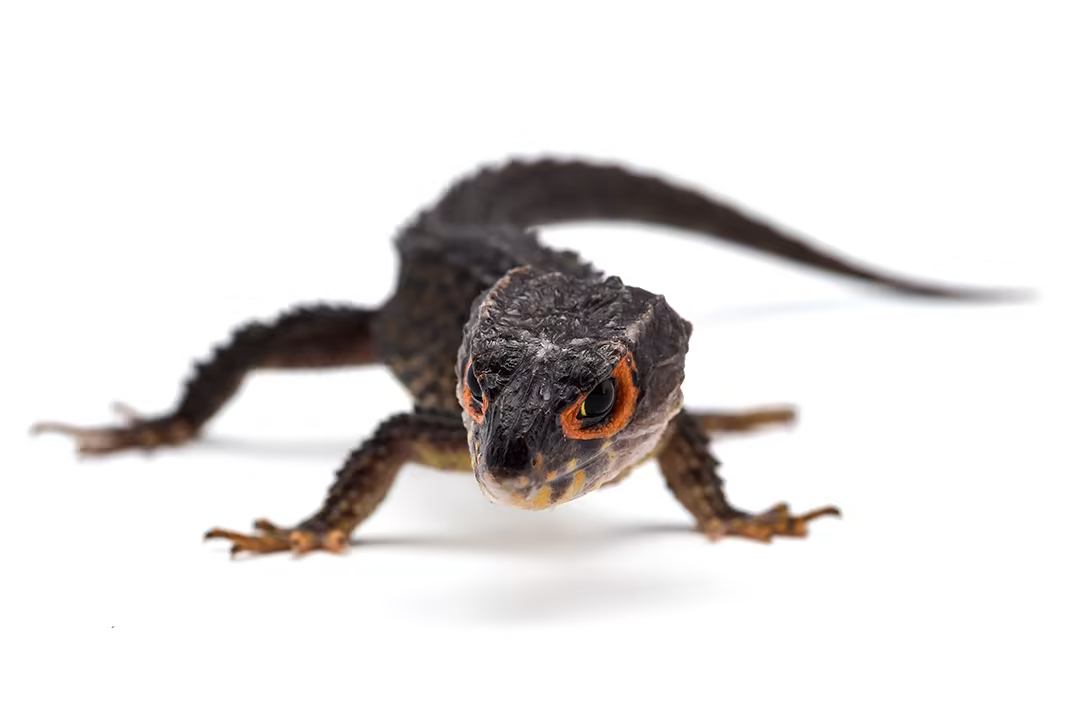
Ultimate Red-Eyed Crocodile Skink Care Guide: Habitat, Food & Health
Learn how to care for Red-Eyed Crocodile Skink, recommended diet & aquarium setup. Find the right food, supplies & equipment at your neighborhood Petco.
Updated on April 9th, 2026
- Care Sheets
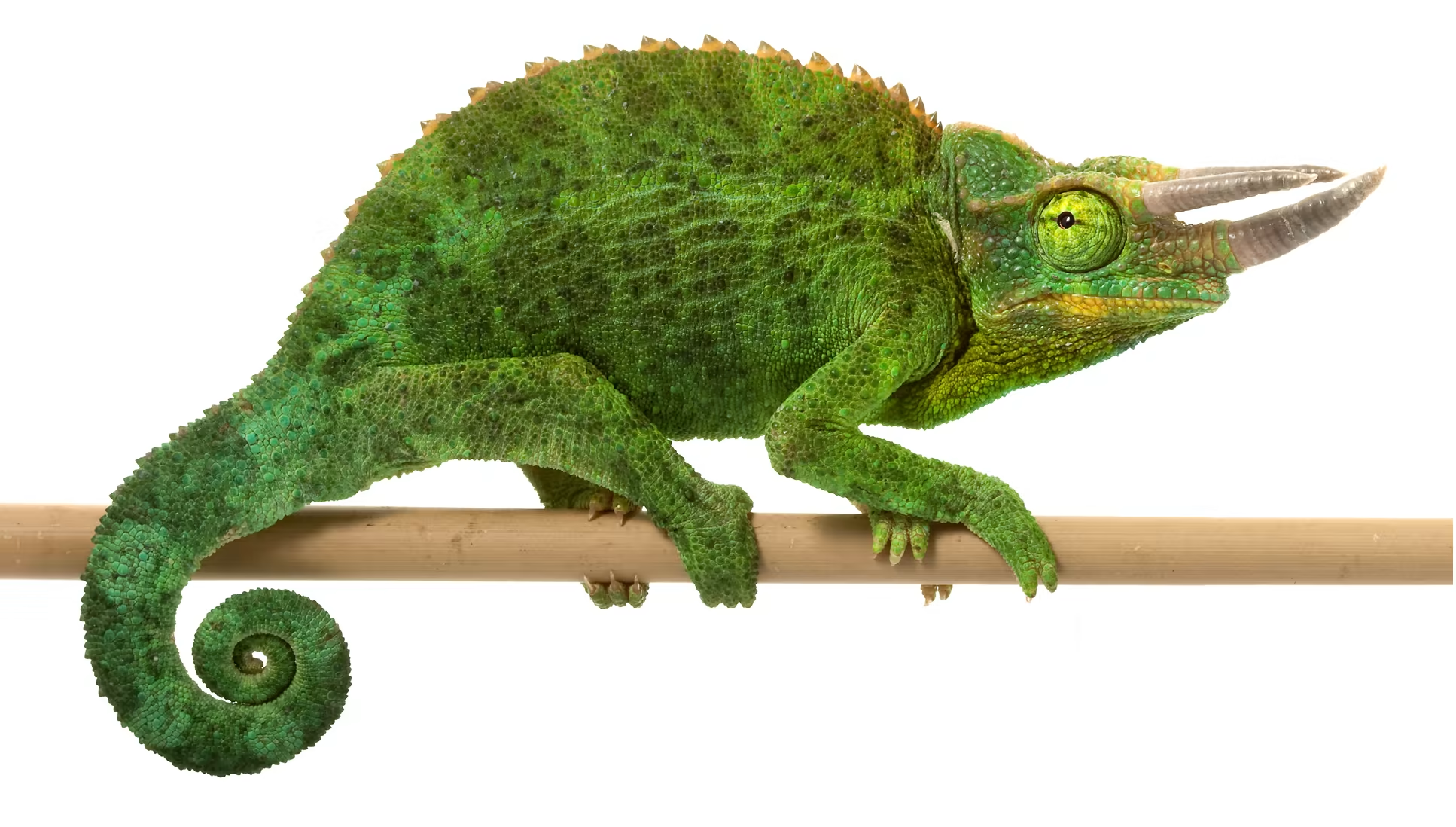
Jackson's Chameleon Care: Thrive Guide for Food, Habitat & Health
Learn how to care for Jackson's Chameleons, recommended diet & habitat setup. Find the right food, supplies & equipment at your neighborhood Petco.
Updated on April 9th, 2026
- Care Sheets
Arid Skink Care: Your Ultimate Guide to Habitat, Food & Health Tips
Learn how to care for an Arid Skink, recommended diet and habitat setup. Find the right food, supplies and equipment at your neighborhood Petco.
Updated on April 9th, 2026
- Food & Nutrition
Can BSF larvae & dubia roaches be a staple diet for leopard geckos?
Black Soldier Fly larvae are a healthy, nutritious feeder insect for your gecko. High in calcium, low in phosphorus, black soldier fly larvae make a great staple food or treat. Dubia roaches are a healthy protein-rich food for geckos. It is best to have a variety of food for your gecko and not just stick to one type of insect.
Updated on September 24th, 2025
- Vet Q & A
My gecko is cold, shedding, and I need help identifying its type.
Most species of geckos, being nocturnal, do not require UVB lighting. Being cold blooded though, they do need a heat source. Your body temp will not be sufficient for good health. Replace the light/heat source with an appropriate bulb. You can easily buy one online or at most pet stores. Low temps will stress him which can lead to illness. Low temps also affect appetite activity and digestion. Sexing geckos is fairly easy. An adult male will have a bulge behind the vent that is very noticeable. You will also see a row of femoral pores shaped like a "V" in front of the vent in male geckos. Since he is going into a shed, provide a moist hide in the enclosure and/or increase the humidity temporarily. These two species look similar but there are differences. To help with identification, closely exam your gecko. Leos will lose their bands and develop spots, hence the name, as they mature. They also get much bigger than banded geckos. Leos also have rougher, bumpier skin as opposed to a banded gecko's smoother skin. If you post a picture of him on his profile, we can possibly determine what species of geckos you own.
Updated on September 24th, 2025
- Food & Nutrition
My gecko had a seizure. Can I help calcium deficiency at home?
Thanks for reaching out about Leafy. Seizures in reptiles can definitely due to calcium deficiencies, either lacking in the diet, too cold of an environ or lack of UVB exposure. Diet and husbandry to be corrected, but a veterinary visit can provide injections of these medications, and anti-seizure medications during recovery. Mealworms kept in the refrigerator or crickets straight from the store are insufficient. All insects need to be gut-loaded with dark greens and red/yellow/orange vegetables. Good luck.
Updated on September 24th, 2025
- Food & Nutrition
My leopard gecko's eyes are stuck. Is it a vitamin deficiency?
Hi there. It sounds like Aang could have the beginning of a Vitamin A deficiency. If you are feeding the same feeder insect all the time (crickets and mealworms only) you are at risk of causing hypovitaminosis A. Not only do you have to vary the types of insects you are feeding her, you also have to preload or dust the insects with Vitamin A before you feed them to Aang. This is a product you would want to get: http://www.drsfostersmith.com/product/prod_display.cfm?pcatid=31924 Follow the feeding instructions on the bottle. Double check all your husbandry. You didn't mention the temperature in the cage or the lighting. You need to make sure this is correct. This article should help: https://www.thespruce.com/leopard-geckos-1236911 Best wishes to you. Hope this was helpful! Dr. Amber
Updated on September 24th, 2025
- Vet Q & A
My gecko has MBD and won't eat, drink, or move. What should I do?
An immediate check up at your local veterinarian would be essential to make sure right supplementation of calcium is given to cure MBD. Diagnosis requires often a radiographic study to make sure MBD is affecting him. Generally speaking full-spectrum UVB-producing bulbs should be used within the terrarium and calcium and vitamin D supplements can be given through plant material or insects. I would suggest anyway to have him checked before start any supplement (as toxicity from overdosage of Ca and VitD are quite common as well!). Please do not hesitate to contact us again on the forum or by requesting a consultation if you have any more questions or to discuss it any further.
Updated on September 24th, 2025