Two Easy Ways to Start Earning Rewards!
Earn 2X Pals Rewards points at Petco
when you use Petco Pay!
Get It Today
Explore our tips about what to keep in mind when choosing the right pet reptile for your family. Consider what they need to stay happy and healthy.
Updated on November 13th, 2025
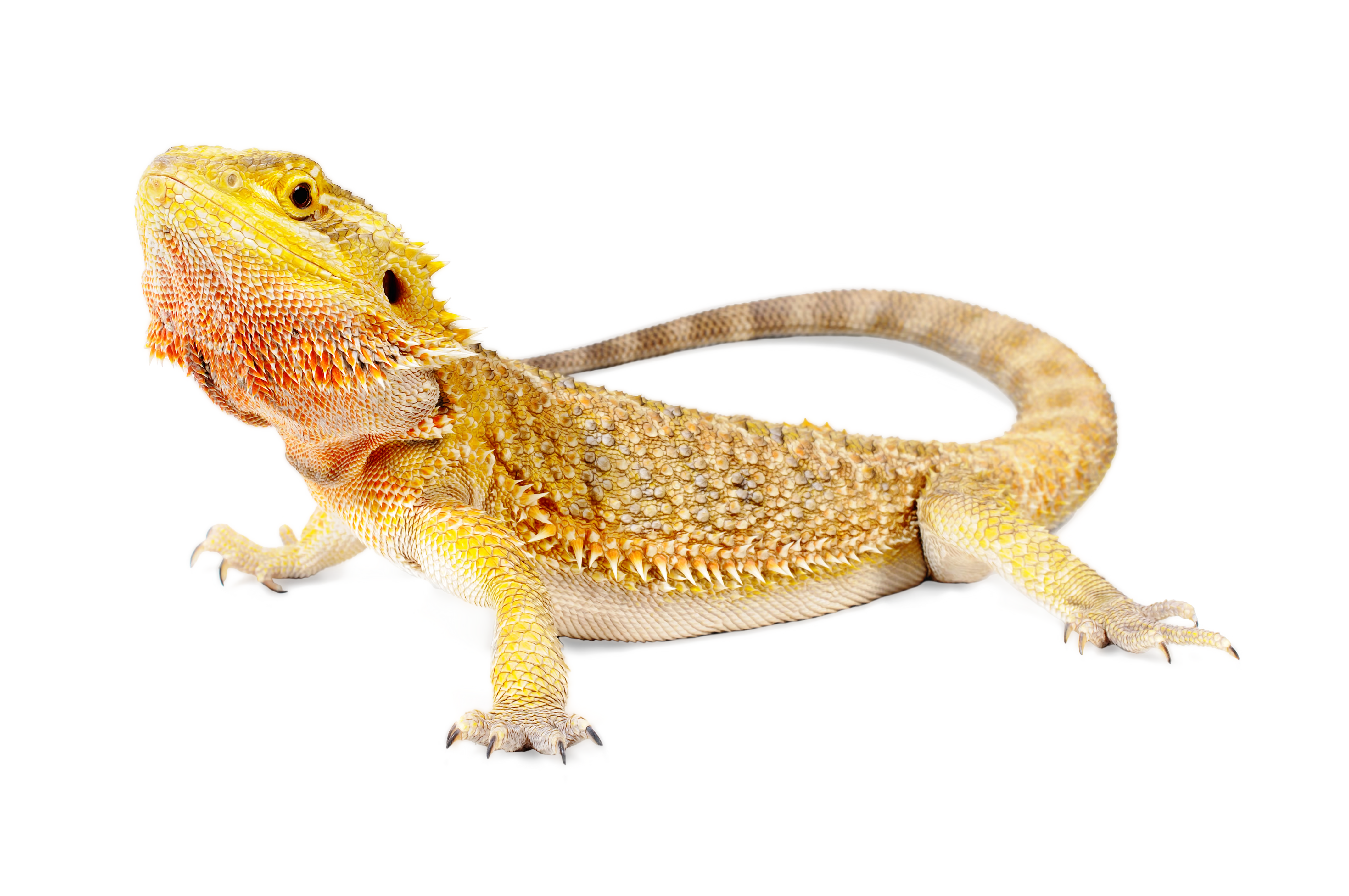
Learn how to care for arid lizards, recommended diet & habitat setup. Find the right food, supplies & equipment at your neighborhood Petco.
Updated on November 13th, 2025
Do you have questions about bearded dragon brumation? Visit Petco to learn what to do when the time comes.
Updated on November 13th, 2025
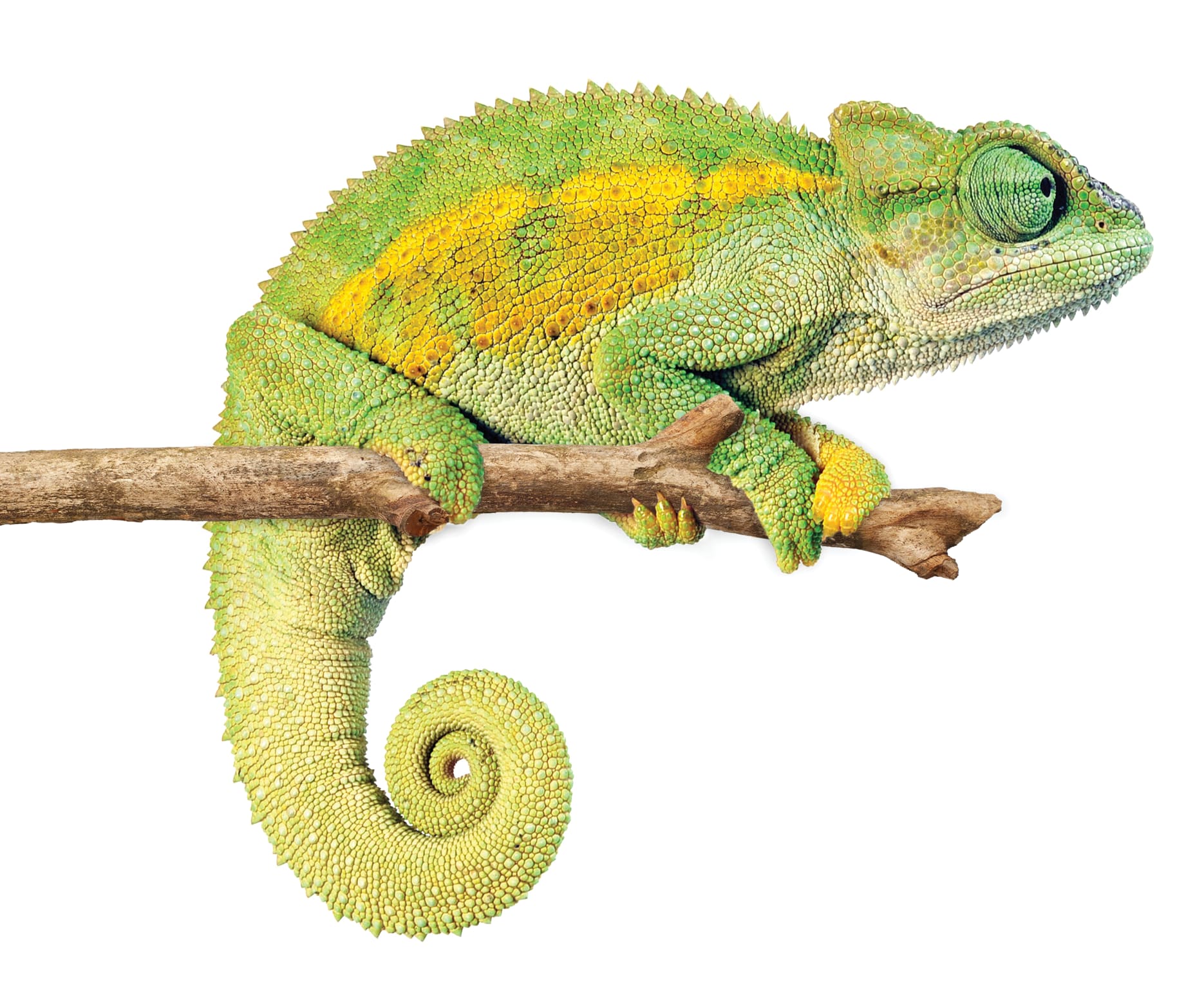
Learn how to care for cool climate Chameleons, recommended diet & habitat setup. Find the right food, supplies & equipment at your neighborhood Petco.
Updated on November 13th, 2025
Do you have questions about bearded dragon poop? Visit Petco.com to find all the answers about the health of your bearded dragon poop.
Updated on November 13th, 2025
One of the most reliable sites for beardie care is found at the link below. http://www.anapsid.org/bearded.html You can find additional information here: http://www.reptilesmagazine.com/Care-Sheets/Lizards/Bearded-Dragon/ Provide heat, UVB lighting, water and a balanced diet while she recovers and beyond. Once she is healthy again, acclimate her to your presence slowly then gradually introduce her to handling by holding her for ever increasing periods of time.
Updated on August 12th, 2025
Beardies can have regular soaks even as juveniles, especially when they are shedding. Use warm water and fill a container no higher than Lucky Man's shoulder. Never leave him unsupervised while he is bathing. Bearded dragons are omnivorous. They eat plant and animal matter. Greens and veggies should make up about 20% of the diet. Acceptable foods include carrots, green beans, squash, mustard greens, collard greens and dandelion greens. Prey should be of appropriate size. Beardies can eat crickets, locusts or dubia roaches. Wax worms can be offered as treats. Never feed insects caught indoors or in the yard. Raise your own, buy online or from a pet store. They do enjoy being held once acclimated and are very curious about their environment. Follow the link for more information: http://www.anapsid.org/bearded.html
Updated on August 12th, 2025
Ideally, the UVB light source should run the entire length of the tank. A thermometer/hygrometer should be on each end of the tank to confirm cool and warm sides. Use a digital thermometer to verify temps. Those little ones you have can be inaccurate. Provide a hide on both sides as well. Personally, I would remove the fake grass as it has the potential to cause eye injuries. Your tank looks good otherwise.
Updated on August 12th, 2025
With that black beard, he does seem stressed. Check temps in the cage. Low temps can affect activity in reptiles. Survey the area in and around the enclosure for any negative stimuli. This may include loud noises, strong vibrations, cold drafts or high traffic. reduce or eliminate any if found. You can review dragon care at the links below. http://www.anapsid.org/bearded.html http://www.reptilesmagazine.com/Care-Sheets/Lizards/Bearded-Dragon/
Updated on August 12th, 2025
Here is a great website for Bearded dragon husbandry: http://www.vetmed.ucdavis.edu/vmth/local_resources/pdfs/cape/Care_of_Bearded_Dragons.pdf http://www.thebeardeddragon.org/ The last one has a growth chart.
Updated on August 12th, 2025