Two Easy Ways to Start Earning Rewards!
Earn 2X Pals Rewards points at Petco
when you use Petco Pay!
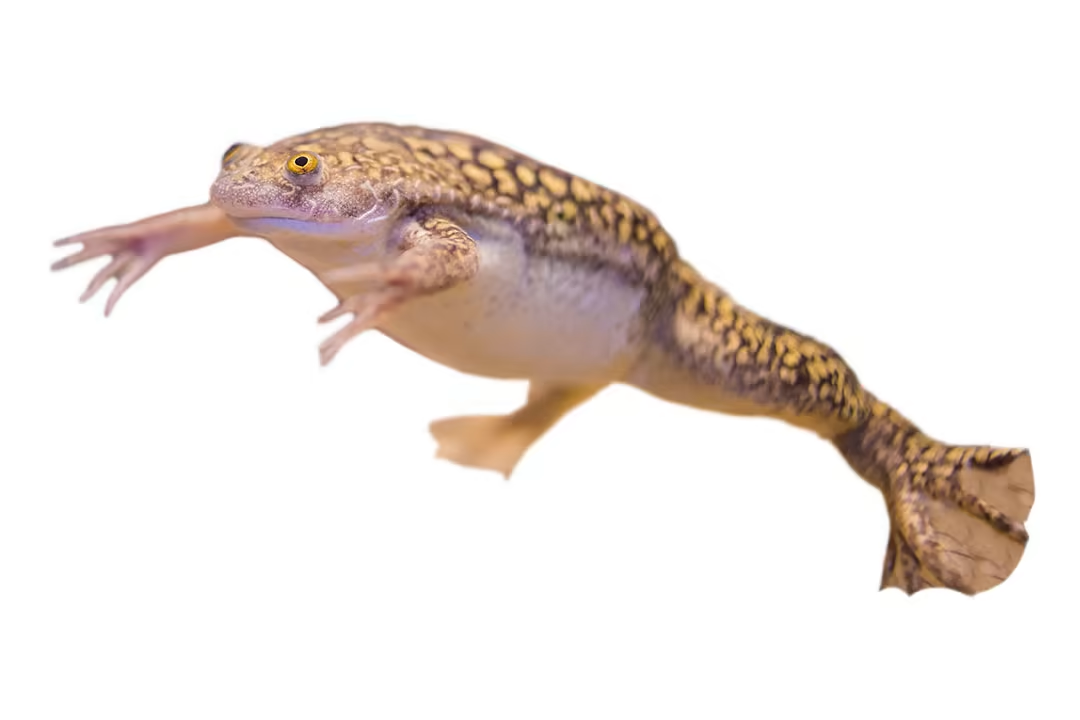
Learn how to care for Freshwater Amphibians, recommended diet and habitat setup. Find the right food, supplies and equipment at your neighborhood Petco.
Updated on April 9th, 2026
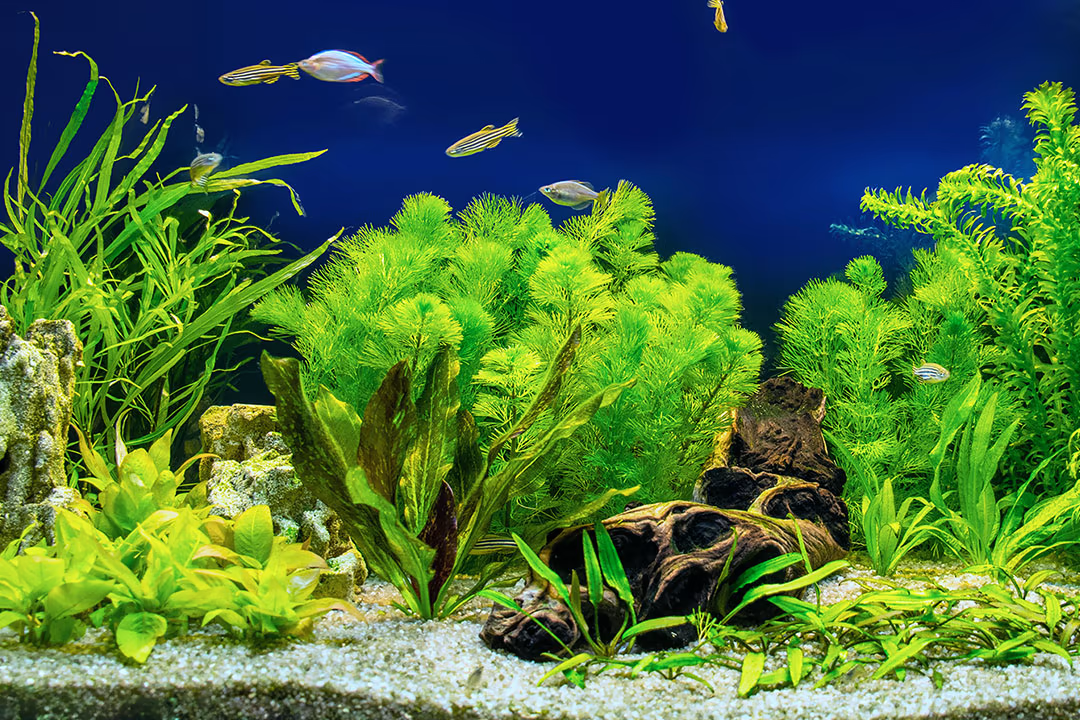
Feeding your freshwater fish isn't as simple as adding a pinch of flakes! Read these three tips to learn more about how to provide your pets the nutrition and environment they need.
Updated on July 17th, 2026
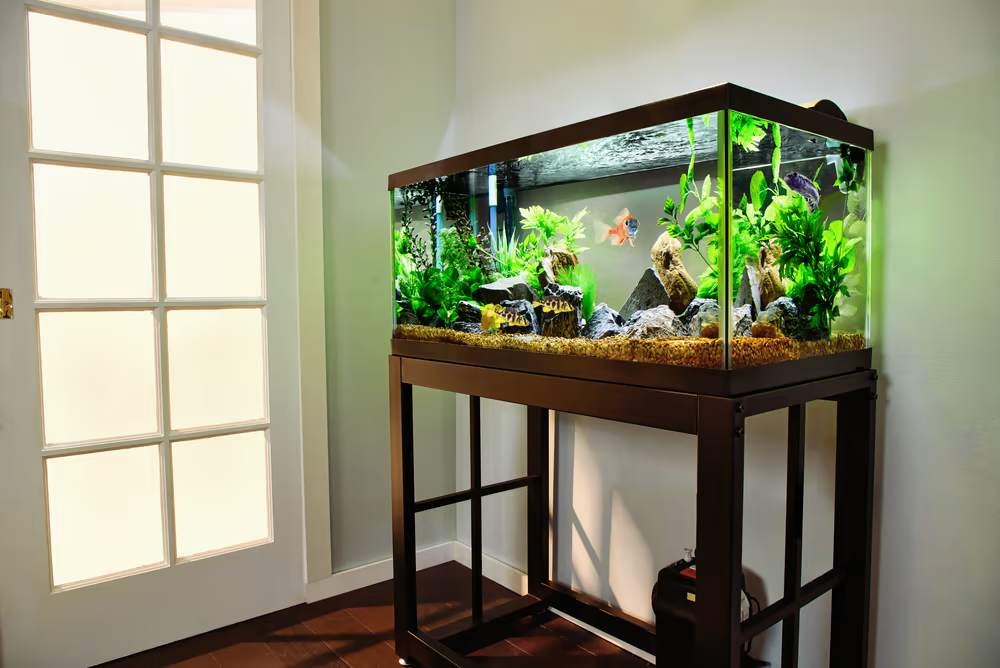
Learn how to set up a freshwater fish tank and key considerations regarding placement, supplies needed, and the set up process.
Updated on October 23rd, 2025
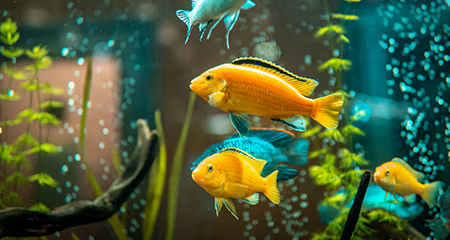
We can help you navigate your way through all the types of lights in fish tanks and determine which type is best for your aquarium.
Updated on June 19th, 2026
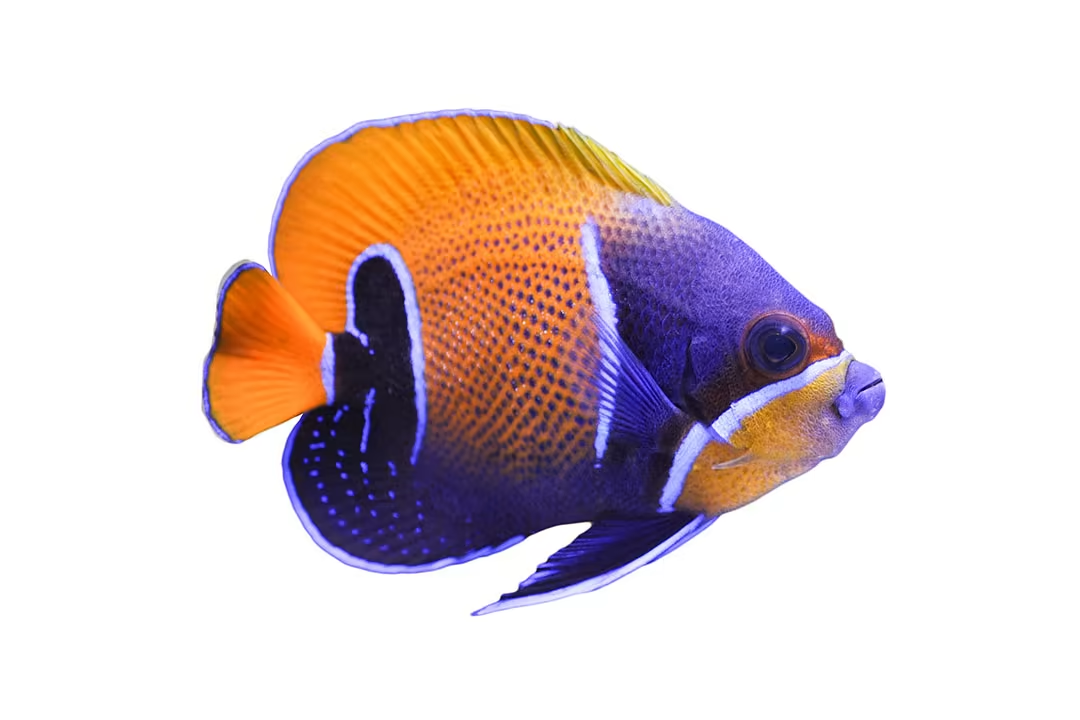
Learn how to take care of Large Marine Angelfish, recommended diet and tank setup. Find the right food, supplies and equipment at your neighborhood Petco.
Updated on April 9th, 2026
Thanks for reaching out about your aquarium. Sorry not very good at botany but there should be tropical fish clubs that might help in identification. But comments about your tank. First, not sure if light penetration will be good for a plant that low in the water column. Secondly, the balanced rock formation looks tenuous, and might fall. Good luck.
Updated on September 24th, 2025
Fluker's or Maxuri pellets/sticks are quality diets. The diet should be varied to maximize nutrition. Offer leafy greens, crickets, small feeder fish, krill/shrimp (either can be freeze dried) or superworms in addition to a commercial pelleted diet.
Updated on September 24th, 2025
Thanks for reaching out about Fishy. A UV sterilizer will only help if a bacterial component is adding to the cloudiness. More intense water changes are the best way to remove nitrates. Monitor feeding to limit excess, vacuum bottom of tank to remove degrading detritus. Good luck.
Updated on September 24th, 2025
Yes, in order to have a healthy tank and to give your fish the best environment, it is necessary. Here is a good write-up on the reasons why: https://www.petcoach.co/article/water-chemistry-basics-ph-temperature-water-hardness-waste/
Updated on September 24th, 2025
Thanks for reaching out. Testing water quality for pH, ammonia, nitrite and nitrate is the first step, correct any problems. There are few diseases transmitted between fish and invertebrates. If problems persist, a visit to a veterinarian is recommended. Good luck.
Updated on September 24th, 2025